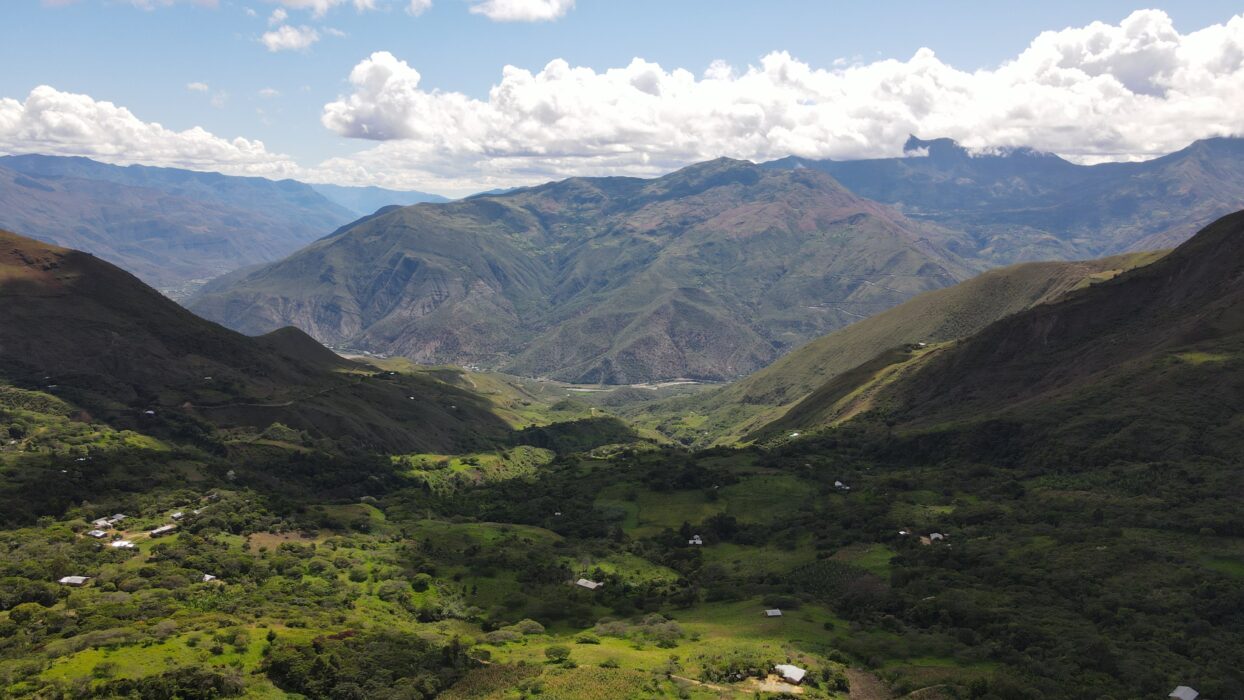
For generations, the mountains of Cutervo in northern Cajamarca were shaped by traditional Andean agriculture. Potatoes, maize, beans, and livestock sustained rural communities, but offered limited economic opportunity. As younger generations searched for a better future, many left the province for nearby Jaén, the rapidly growing commercial heart of northern Peru.
Few realized that this journey would eventually transform the landscape they left behind.
Amojú coffee is a prime example of that transformation. A fixed contribution from every exported quintal is automatically directed to the Fondo AMOJÚ, where producers collectively decide how the funds should be invested. Whether restoring forests, improving water management, strengthening coffee infrastructure, or creating new opportunities for future generations, every export directly contributes to the continued development of the region.
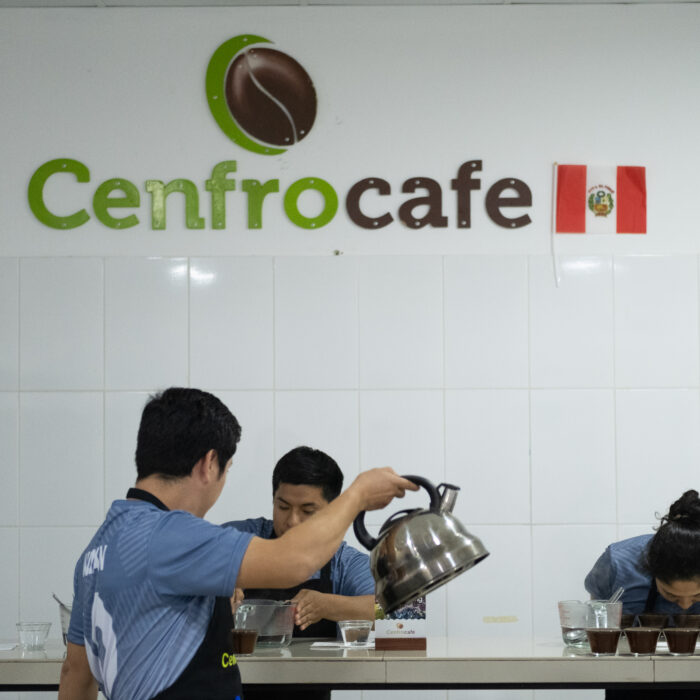
Jaén has become one of Peru’s most important coffee hubs. Exporters, cupping laboratories, universities, research centers, and coffee businesses have turned the city into a gateway connecting remote mountain communities with international specialty markets.
Many people from Cutervo found employment there, discovering coffee not simply as a crop, but as a profession and an opportunity.
Some eventually returned home carrying something more valuable than experience alone: coffee seedlings, new knowledge, and a new vision for the future.
What began as small experiments gradually transformed the mountain slopes of Cutervo. Today, the province has become one of northern Peru’s most exciting emerging specialty coffee regions, where coffee is creating new opportunities while allowing more young people to build a future close to home.
Unlike maize and potatoes, which are commonly cultivated in open monocultures, coffee thrives beneath shade. As producers established coffee farms, native trees, fruit trees, and diverse vegetation gradually returned to the landscape. Farms evolved into layered agroforestry systems that improve biodiversity, enrich soils, and create healthier ecosystems. Stronger root systems from native trees also help to lower risks of erosion and landslides.
Today, producers cultivate Caturra, Typica, and Bourbon between 1,800 and 2,400 meters above sea level. Coffee grows on fertile mountain soils with a clay-loam structure and naturally high organic matter content. Their ability to retain moisture while draining efficiently supports slow cherry maturation and the clean, vibrant cup profiles now associated with Cutervo.
Gran Amojú takes its name from the Amojú River, one of northern Cajamarca’s most important freshwater sources. The participating coffee communities are located throughout the river’s upper watershed, where healthy forests, fertile soils, and clean mountain streams sustain both coffee production and the water flowing downstream.
For more than 80,000 people living in and around Jaén, the Amojú River is an essential source of freshwater. That means every coffee farm and every wet mill operating upstream shares a responsibility for protecting the quality of the water below.
Understanding this connection explains why Aromas del Valle invests so heavily in environmentally responsible processing.
Eco-efficient fermentation tanks reduce water consumption by 40–60%, while wastewater passes through vetiver phytoremediation systems and community biodigesters, reducing pollution by up to 85%. Water recirculation systems save an estimated 200,000 liters annually for every processing unit, proving that producing better coffee can also protect one of northern Peru’s most important freshwater resources.
Recognizing the area’s exceptional potential, the cooperative established a strategic collection center (acopio) and cupping laboratory in Queromarca, giving producers direct access to quality evaluation, technical support, and specialty markets. Today, approximately 50% of the cooperative’s annual volume originates from Cutervo.
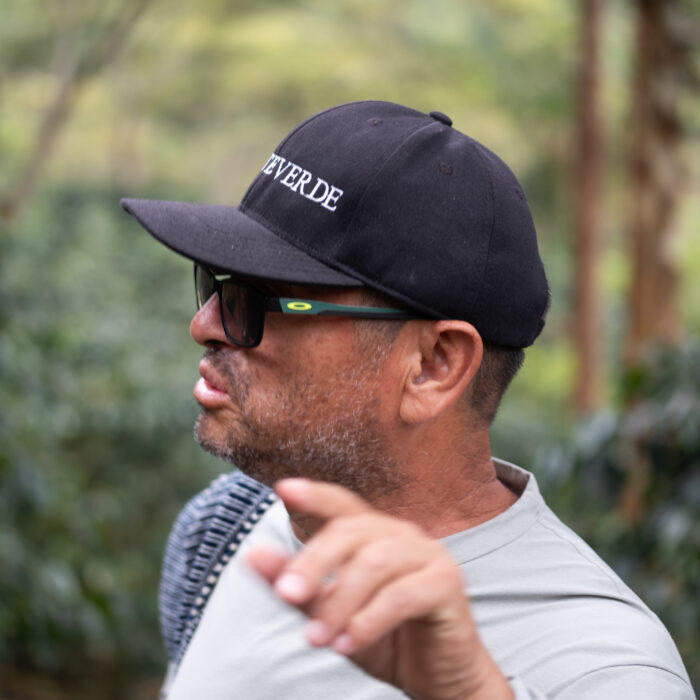
“More than 80% of the coffees we receive from Cutervo already score above 84 SCA points as a baseline. With elevations reaching 2,400 meters, exceptional soils, and an incredibly motivated producer community, we believe this is one of Peru’s most exciting coffee landscapes.”
That confidence is reflected in continuous investments in quality, reforestation, youth development, women-led initiatives, wastewater treatment, and producer training.
Like many rural regions, Cutervo has long struggled to retain young people.
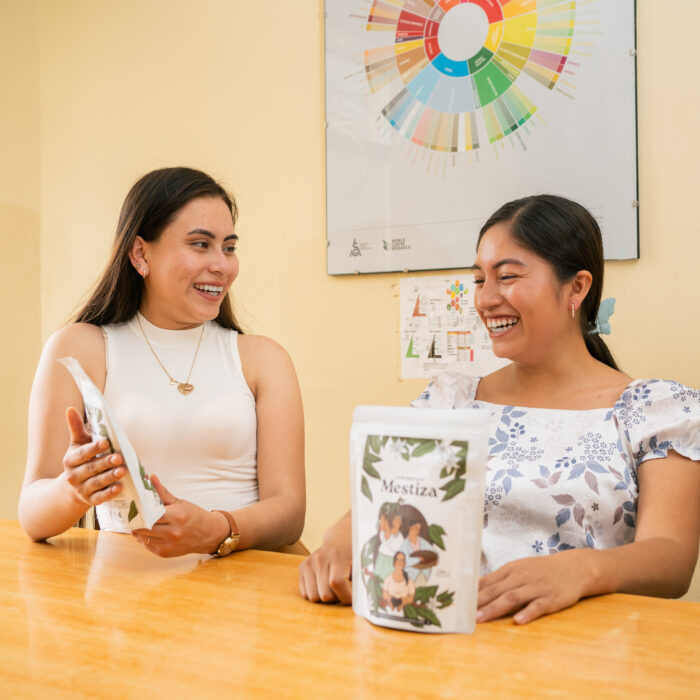
Today, specialty coffee is creating new reasons to stay. Beyond farming, opportunities now exist in agronomy, quality control, sensory analysis, processing, and international trade.
One prime example is the 23 year-olad Joel Jesús Tocto Peña. As the son of a partnered producer, he joined the youth programs. Through the cooperative, he trained in sensory analysis, completed additional courses at Peru’s Central Café & Cacao, studied International Business through UTEL University, and ultimately earned his Q Grader certification. Today, he helps evaluate coffees from the very region where he grew up.
While holding great potential, the area also faces significant challenges. Climate change, environmental pressures, and rural migration increasingly challenge the long-term future of coffee production across the region.
Average temperatures have already increased by approximately 0.8°C, contributing to a higher incidence of coffee leaf rust (roya) and ojo de gallo disease. At the same time, expanding coffee cultivation on steep hillsides increases the risk of soil erosion, while untreated coffee wastewater can threaten the health of rivers flowing through the region. Like many rural communities across Peru, Cutervo also faces the challenge of retaining young people, who often leave in search of education and employment elsewhere.
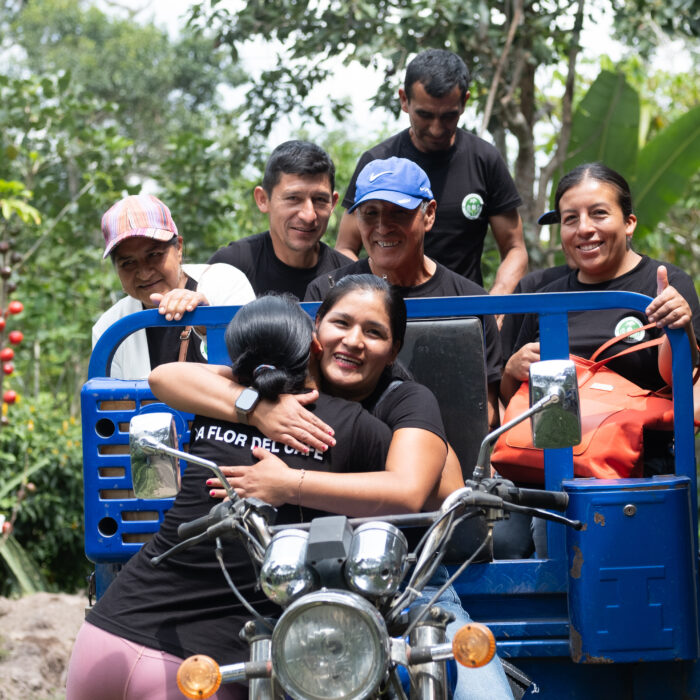
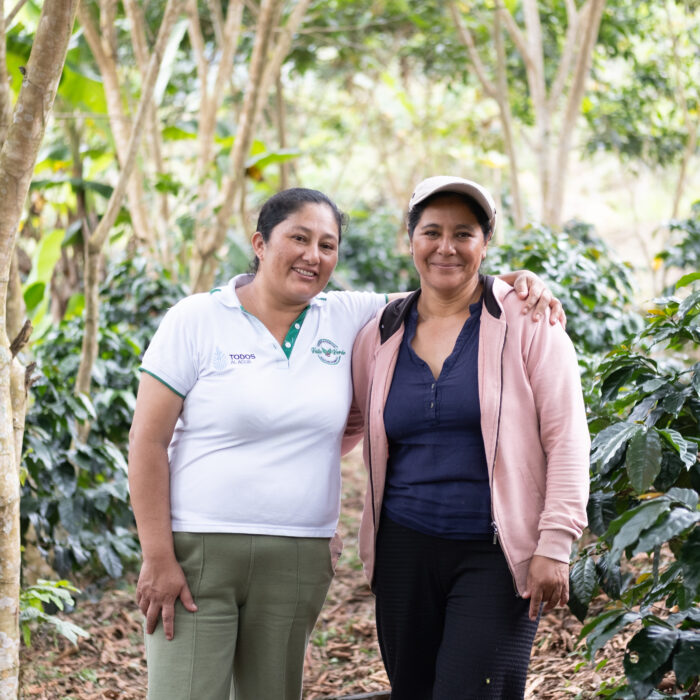
Gran Amojú begins with 120 coffee-growing families, including 80 women producers, with ambitions to expand to 200–300 families.
Every exported lot contributes to the Fondo AMOJÚ, a transparent reinvestment mechanism that channels part of each export into projects chosen by producers themselves. Whether restoring forests, improving water quality, strengthening infrastructure, or supporting future generations, every harvest becomes an investment in Cutervo’s future.