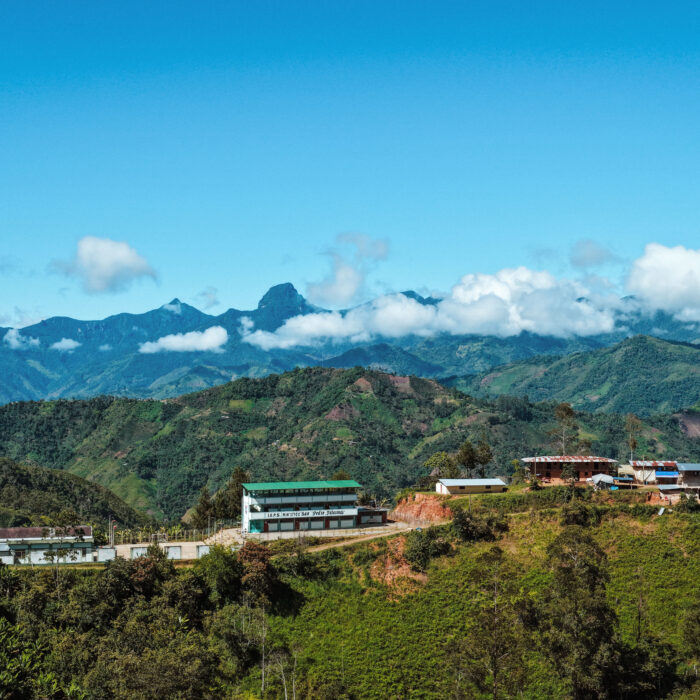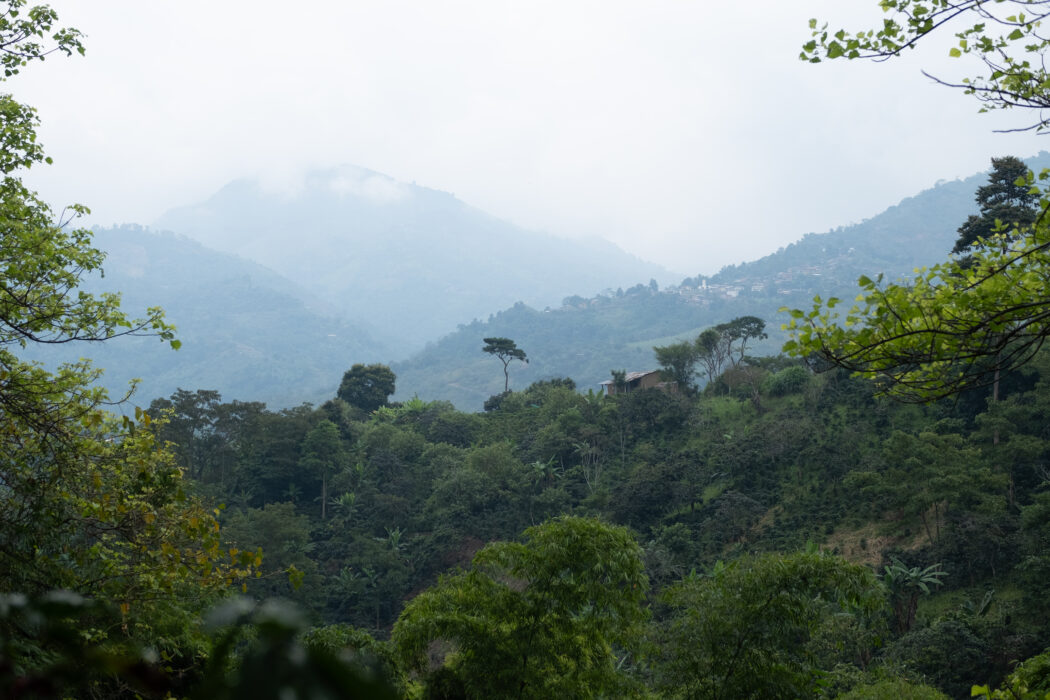
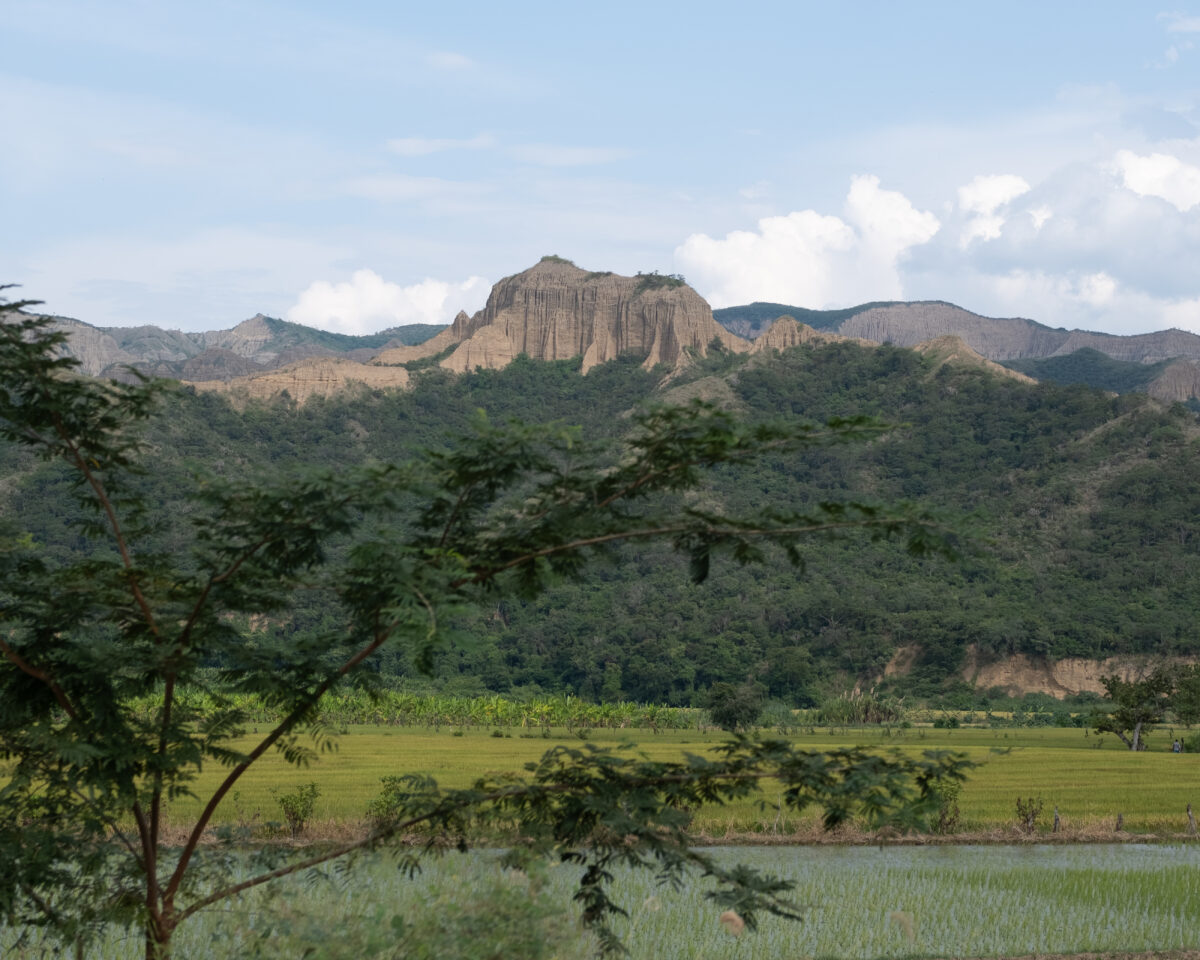
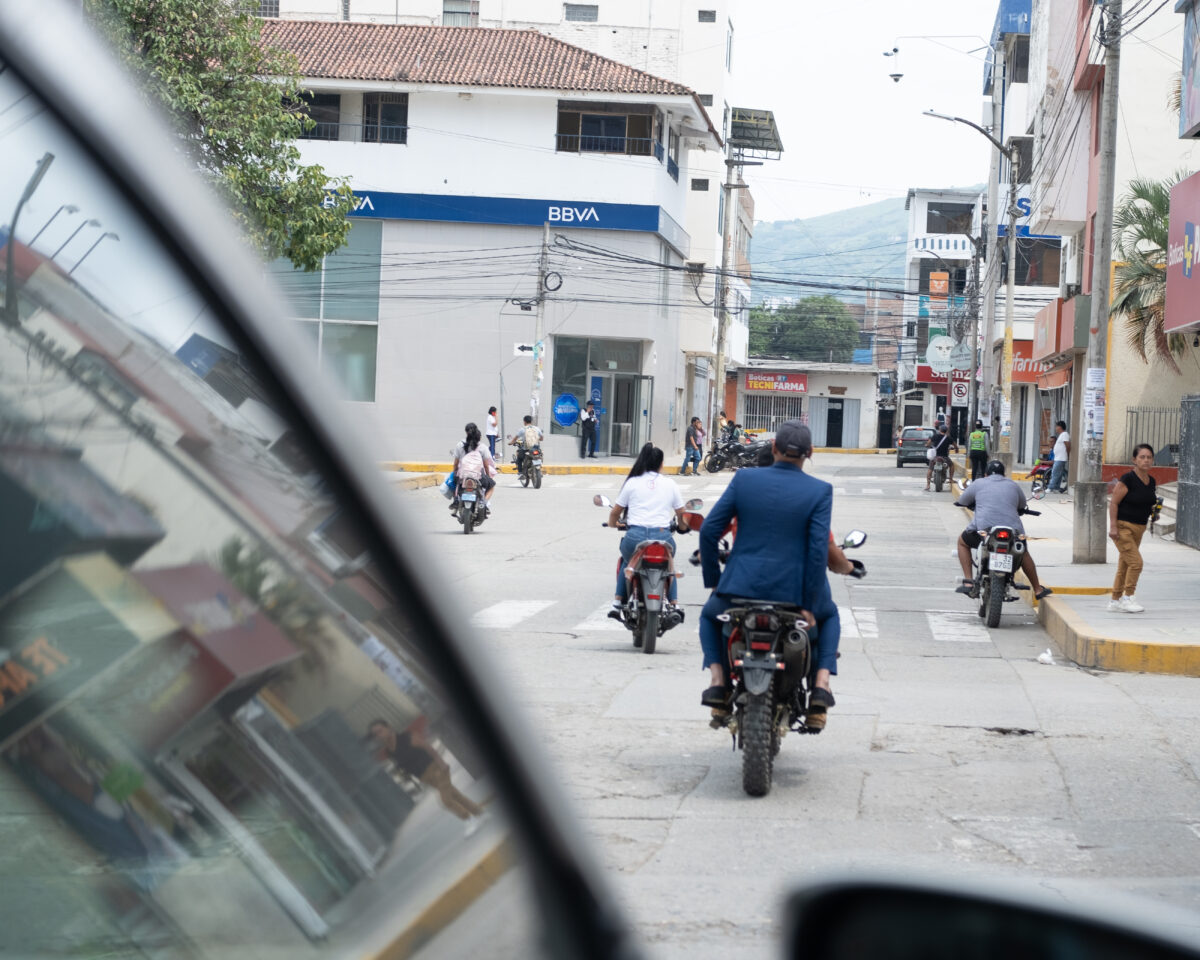
Few places have shaped Peru’s specialty coffee sector quite like Jaén. Nestled in a fertile valley between the Andes, the city has become the commercial gateway for coffees produced throughout northern Peru. Roads from San Ignacio, Bagua, Cutervo, Tabaconas, Chirinos, and dozens of remote mountain communities all converge here before coffees continue towards the Port of Paita for export.
Over the past decade, Jaén has transformed into one of Peru’s most important coffee cities. Universities, research centers, exporters, and quality laboratories now call the city home, making it a natural meeting point for producers, technicians, buyers, and exporters alike.
This growth has helped establish Jaén as more than a logistics hub. Today, it is where quality is evaluated, coffees are prepared for export, and new ideas for the future of Peruvian coffee continue to emerge.
Founded on 26 October 1999 in Palla Peña, Tabaconas, Cenfrocafe began with just 220 smallholder producers organized through eleven associations.
Located within the province of San Ignacio, Tabaconas has become one of Peru’s most respected specialty coffee origins. Trabocca continues to source coffees from this remarkable region every harvest, where high elevations, fertile mountain soils, and experienced producers consistently deliver outstanding cup quality.
Today, Cenfrocafe represents around 2,800 producer families, 124 associations, and 11 districts across Jaén, San Ignacio, and Bagua. What started as a local initiative has grown into one of Peru’s path-leading specialty coffee cooperatives.
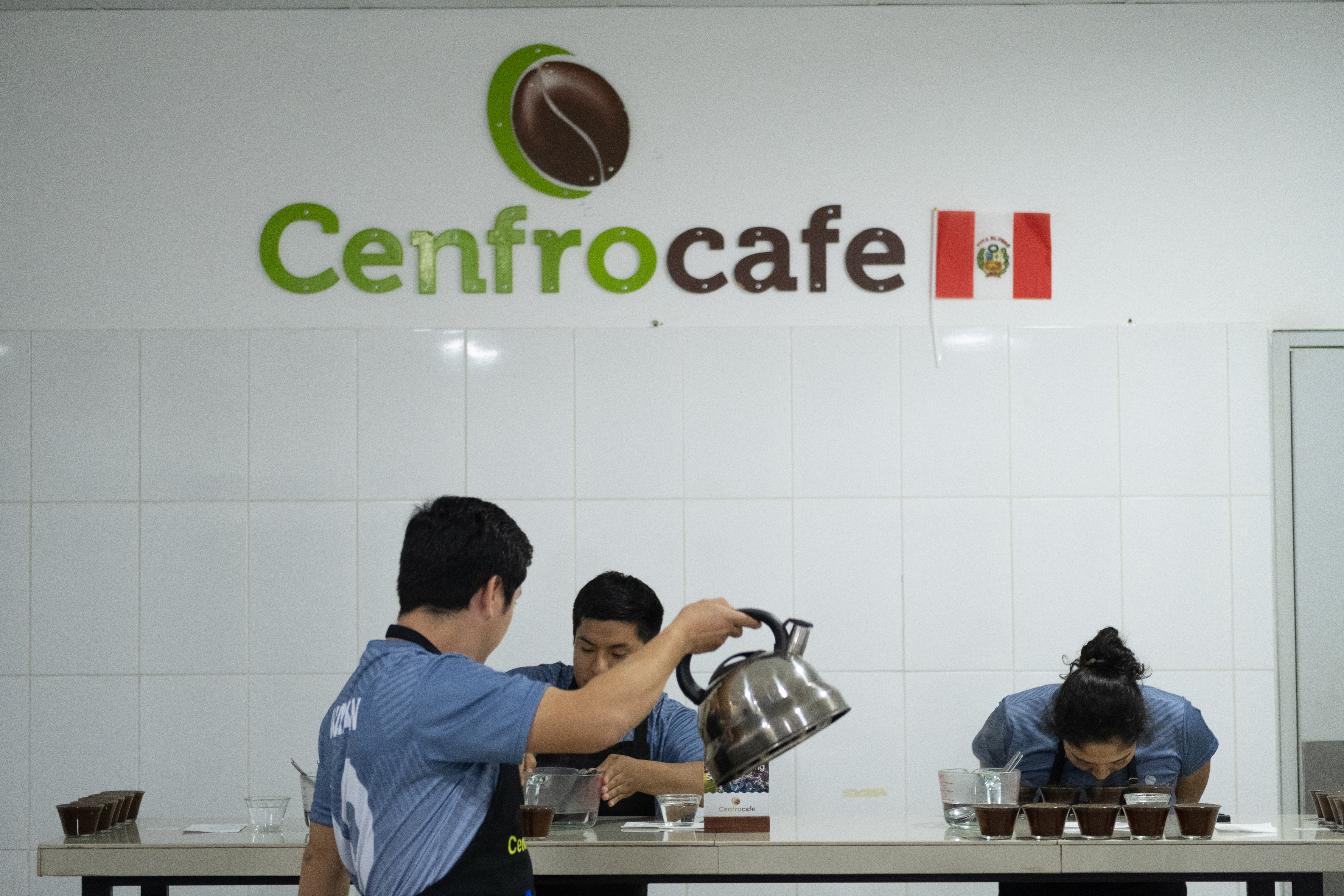
As northern Peru’s coffee industry expanded, Cenfrocafe invested heavily in processing infrastructure. The cooperative established one of Jaén’s first large-scale specialty dry mills, helping transform the city into the export hub it is today.
Beyond exporting its own cooperative coffees, the mill provides milling, storage, grading, and logistics services for numerous exporters and cooperatives throughout northern Peru. Seven collection centers across Jaén, San Ignacio, and Bagua feed into the operation, while two quality laboratories ensure consistent standards.
During our March 2026 visit, the team projected processing approximately 600,000 bags, demonstrating the scale at which the facility now supports the wider specialty coffee sector.
Around 60% of Cenfrocafe’s exports are destined for Europe, followed by North America and Asia. As international expectations continue to evolve, the cooperative has invested heavily in traceability, quality systems, and sustainability programs.
Its technical assistance team works directly alongside producers on farm management, renovation planning, documentation, and EUDR preparedness.
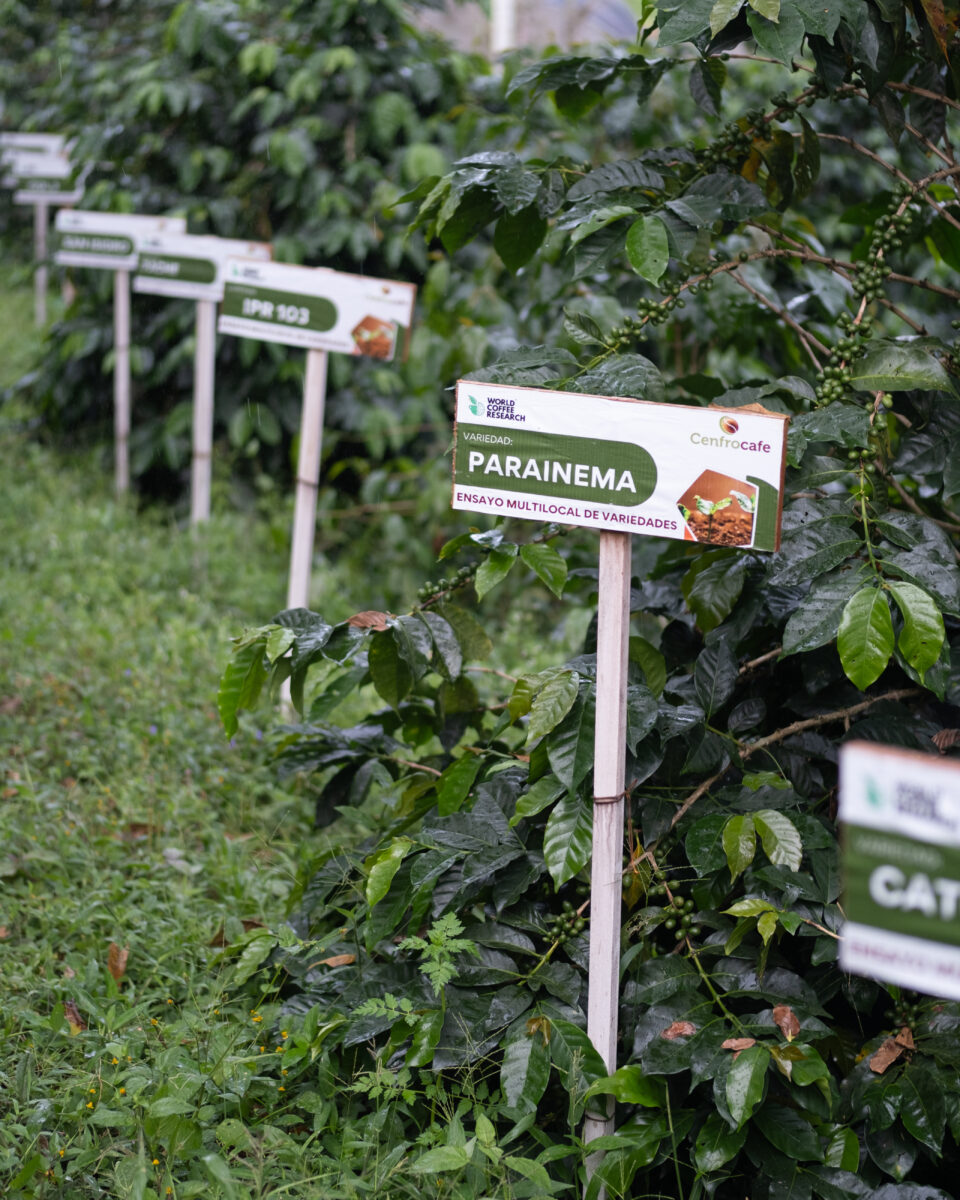
Together with World Coffee Research, Cenfrocafe evaluates coffee varieties at Cruz del Chalpón, helping identify future-proof solutions that can improve both coffee quality and farmer livelihoods.
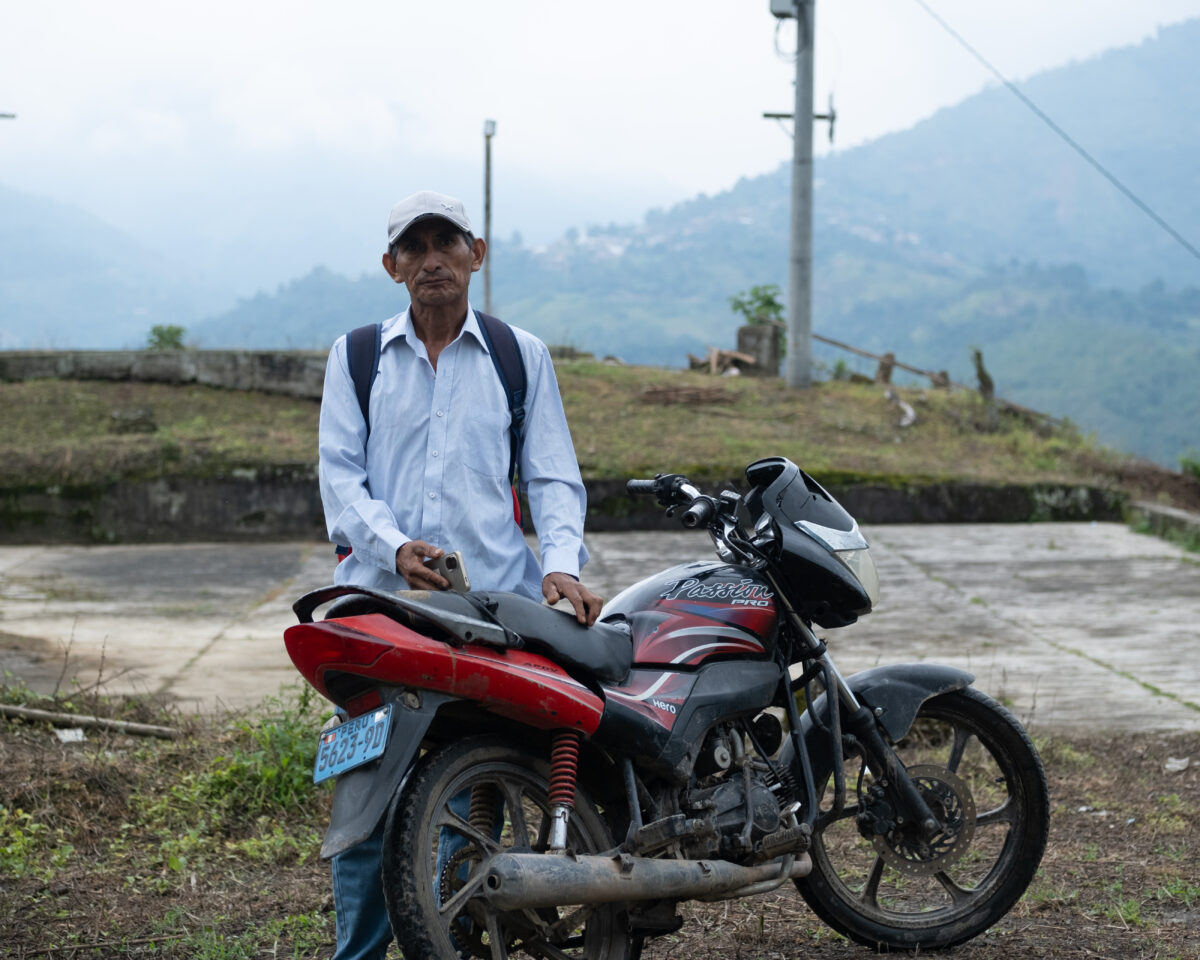
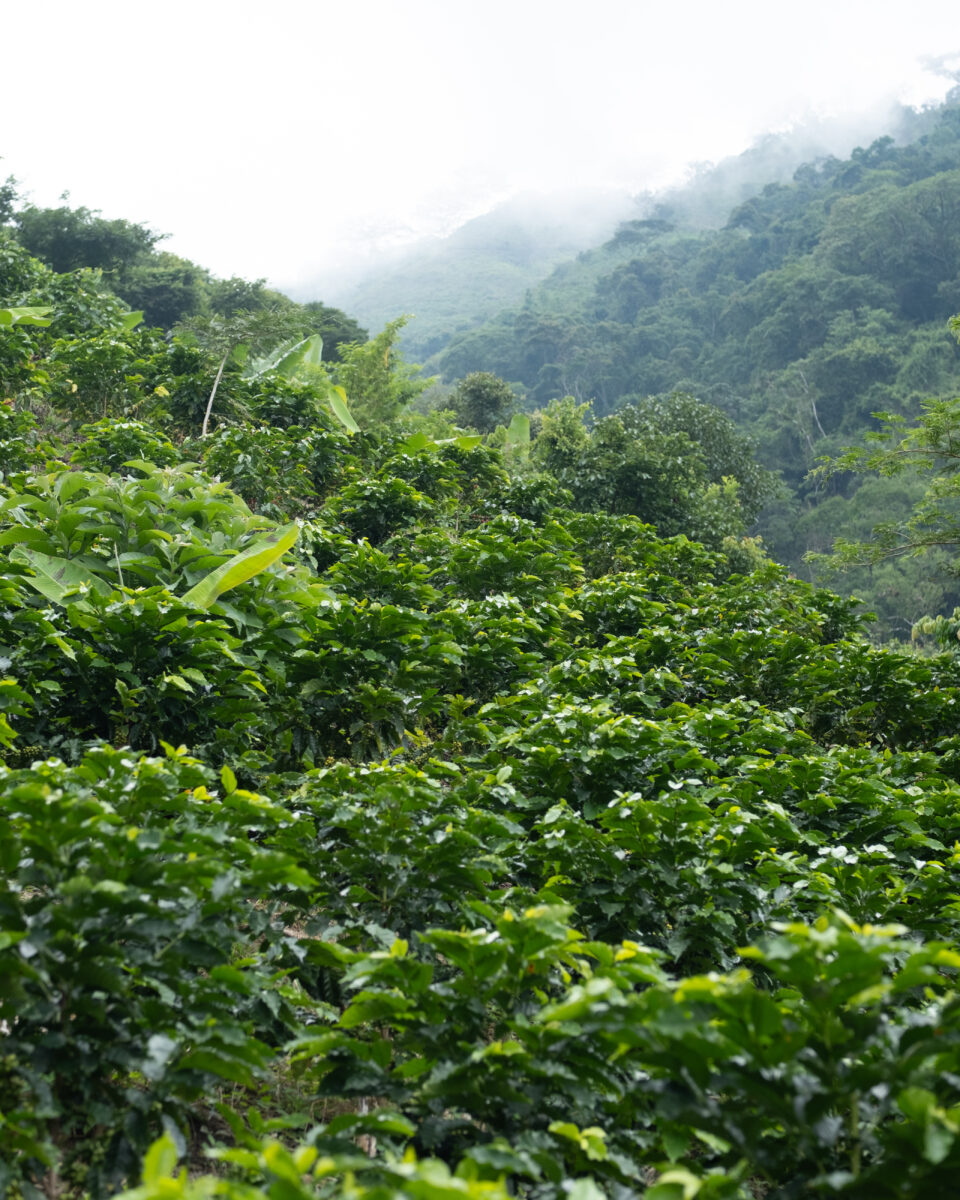
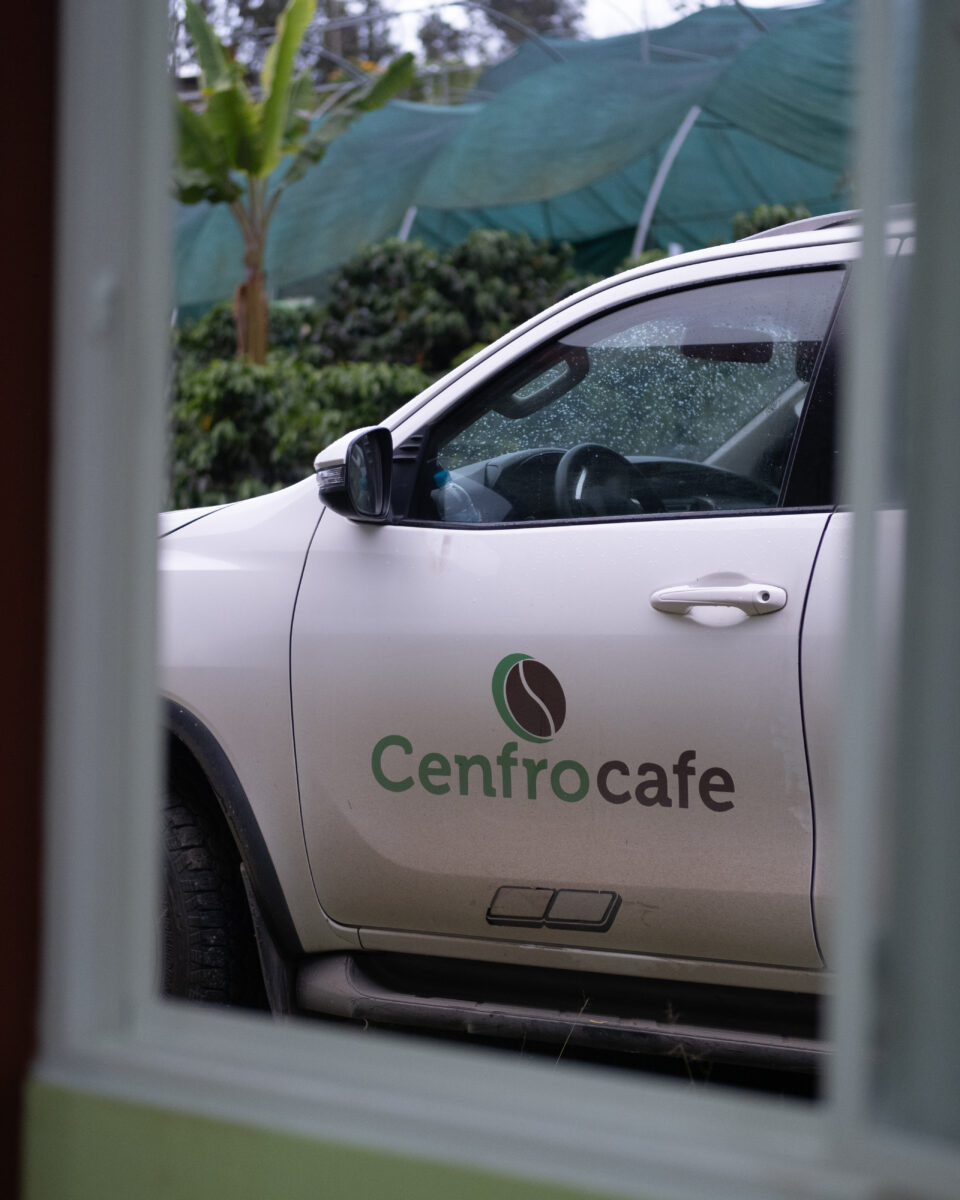
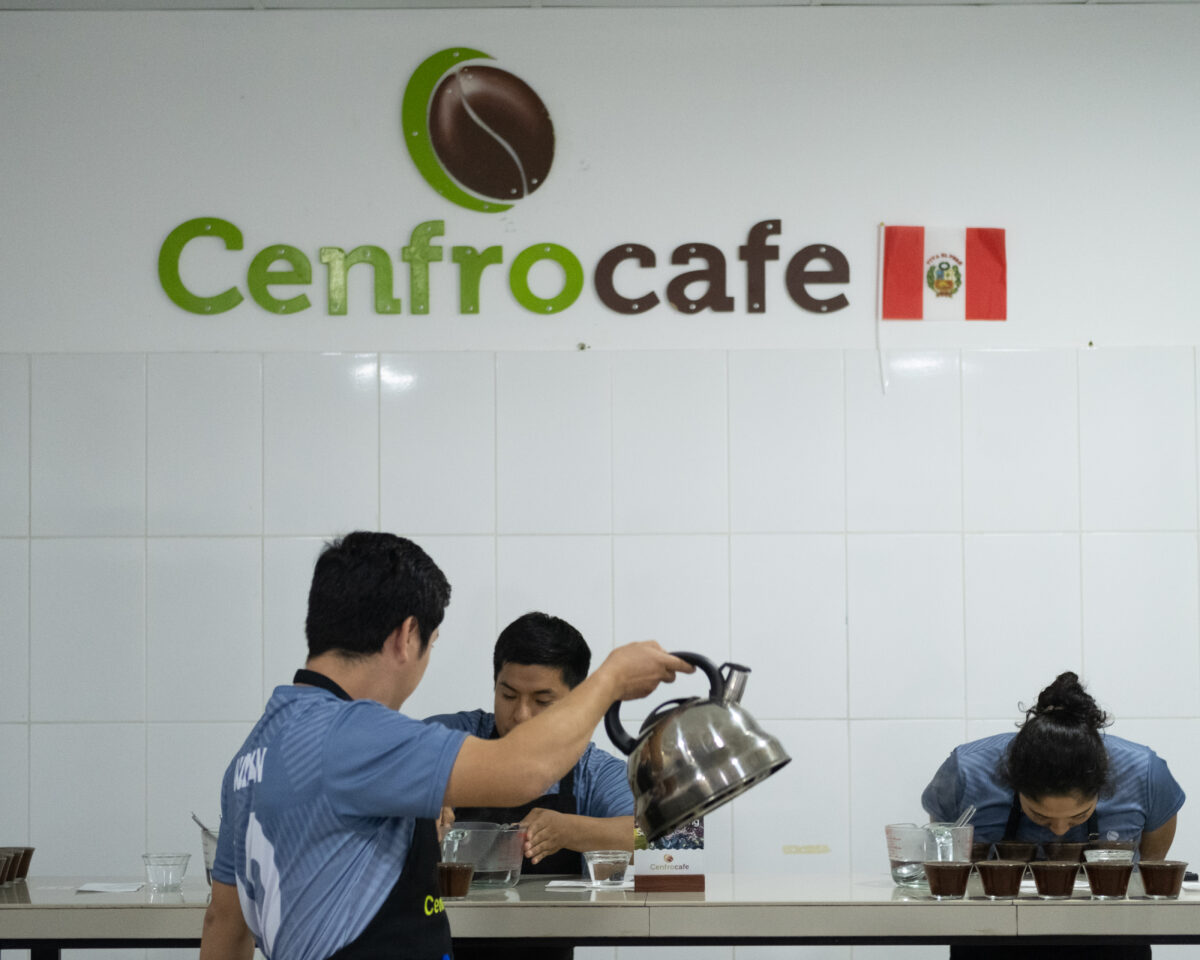
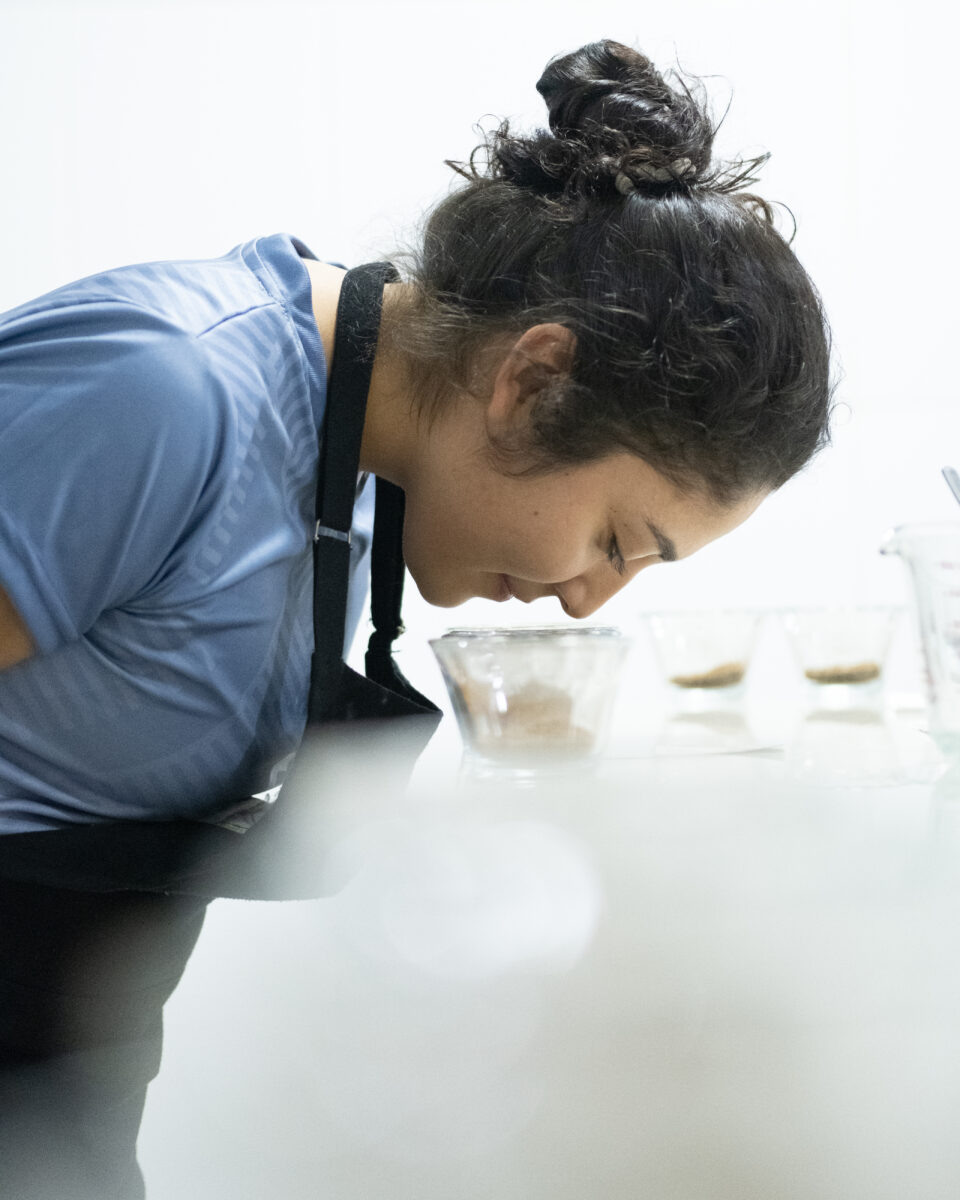
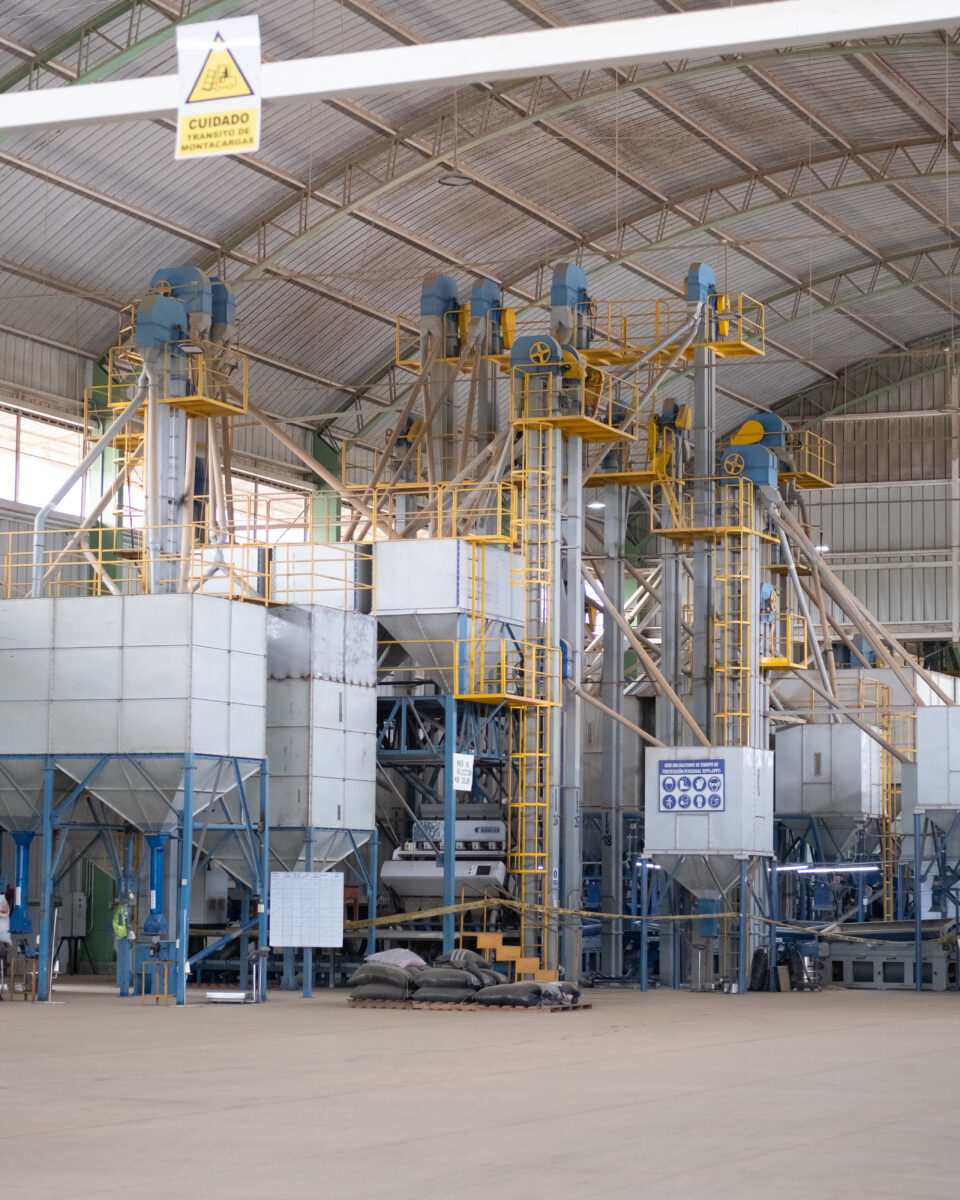
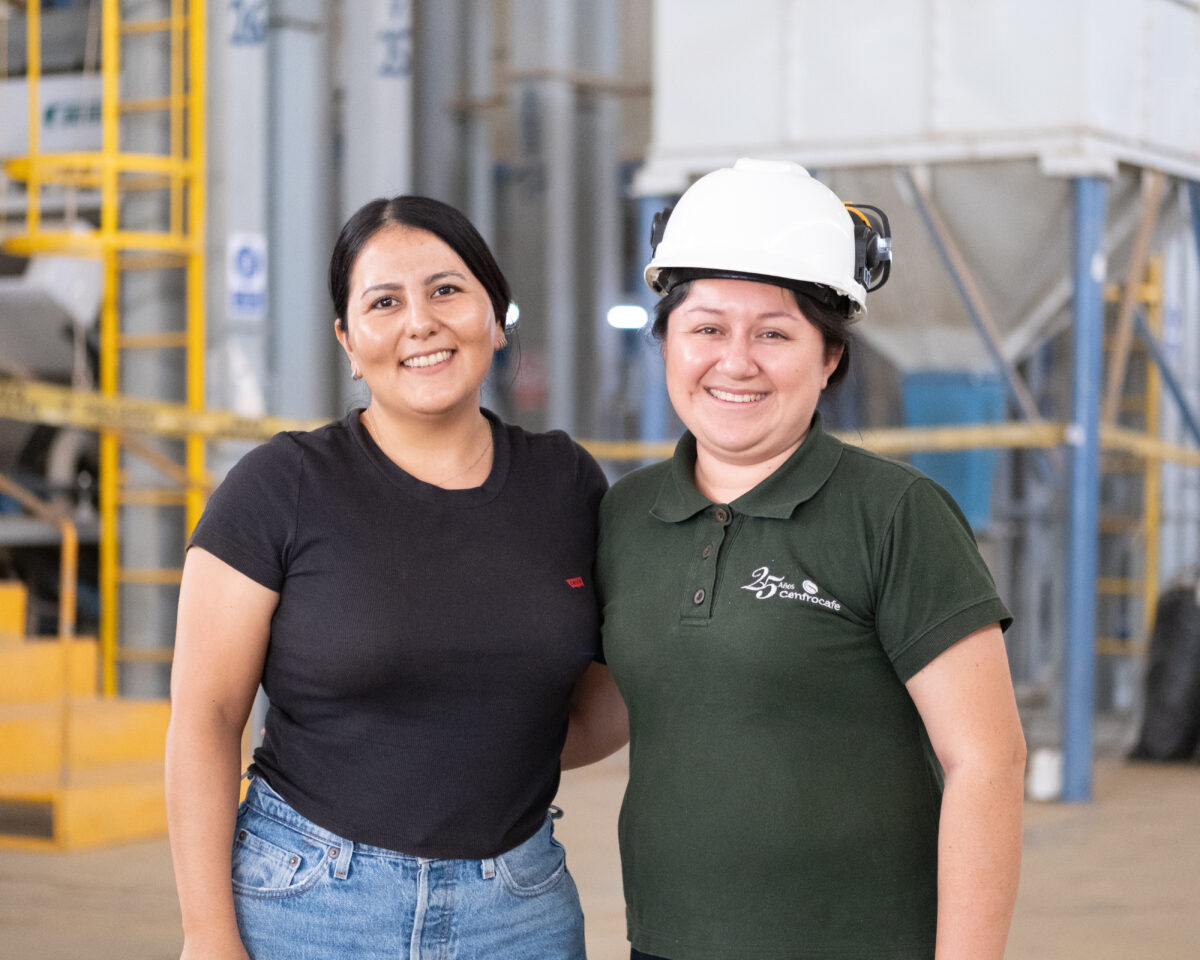
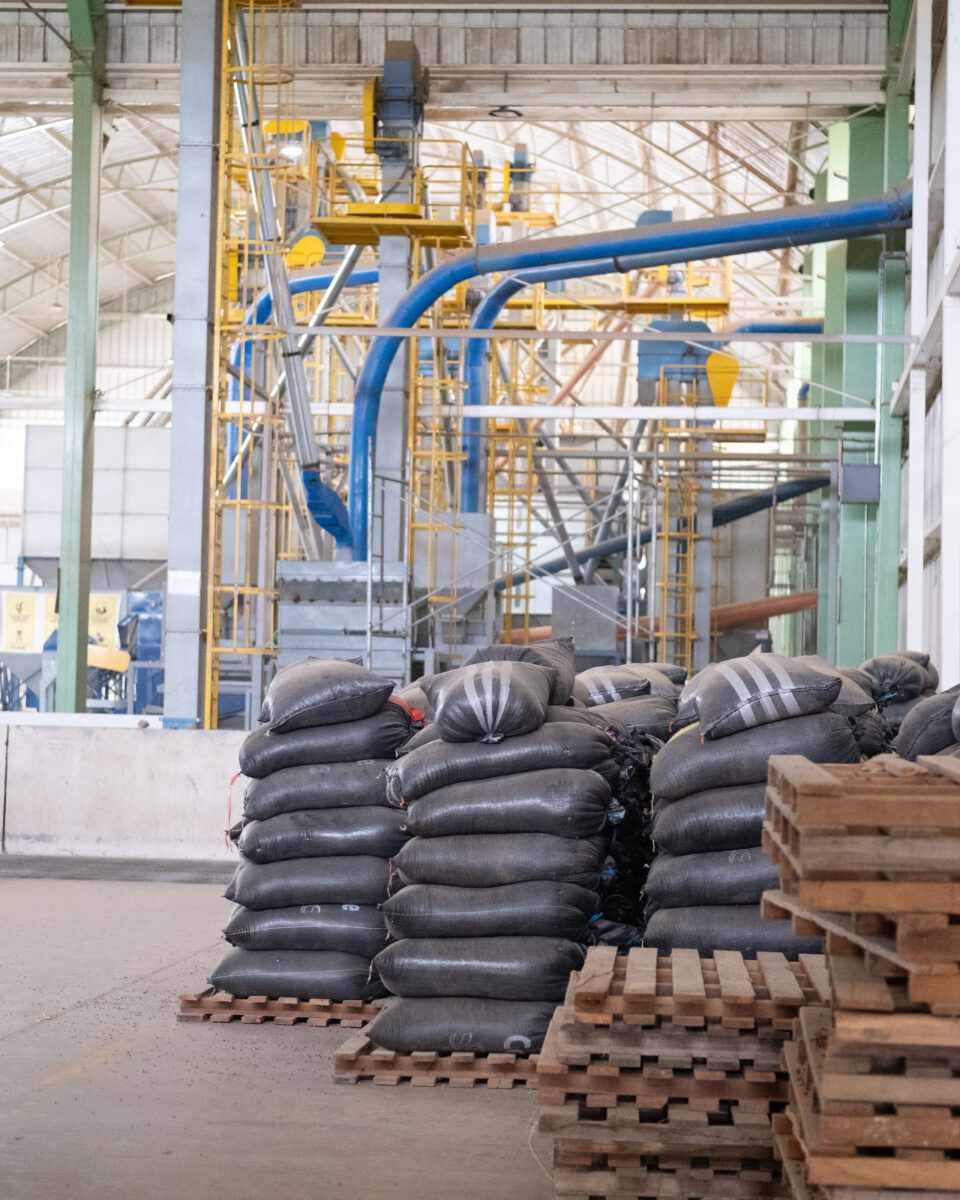



Within Trabocca’s network, Cenfro is best known for its outstanding regional lots. The cooperative consistently delivers expressive, clean coffees from across northern Peru, combining reliable quality with excellent value.
More recently, Cenfro has expanded its specialty program by introducing dedicated varietal plots based on research from Cruz del Chalpón and installing a separate micro-lot processing line at its Jaén dry mill. These investments allow exceptional coffees to remain separated throughout processing and export.
Today, production consists of approximately 60% commercial grades (80–84 pts), 30% specialty coffees (84–86 pts), and 10% micro-lots scoring 86+ points. A great chance to build mixed container with diverse lots.
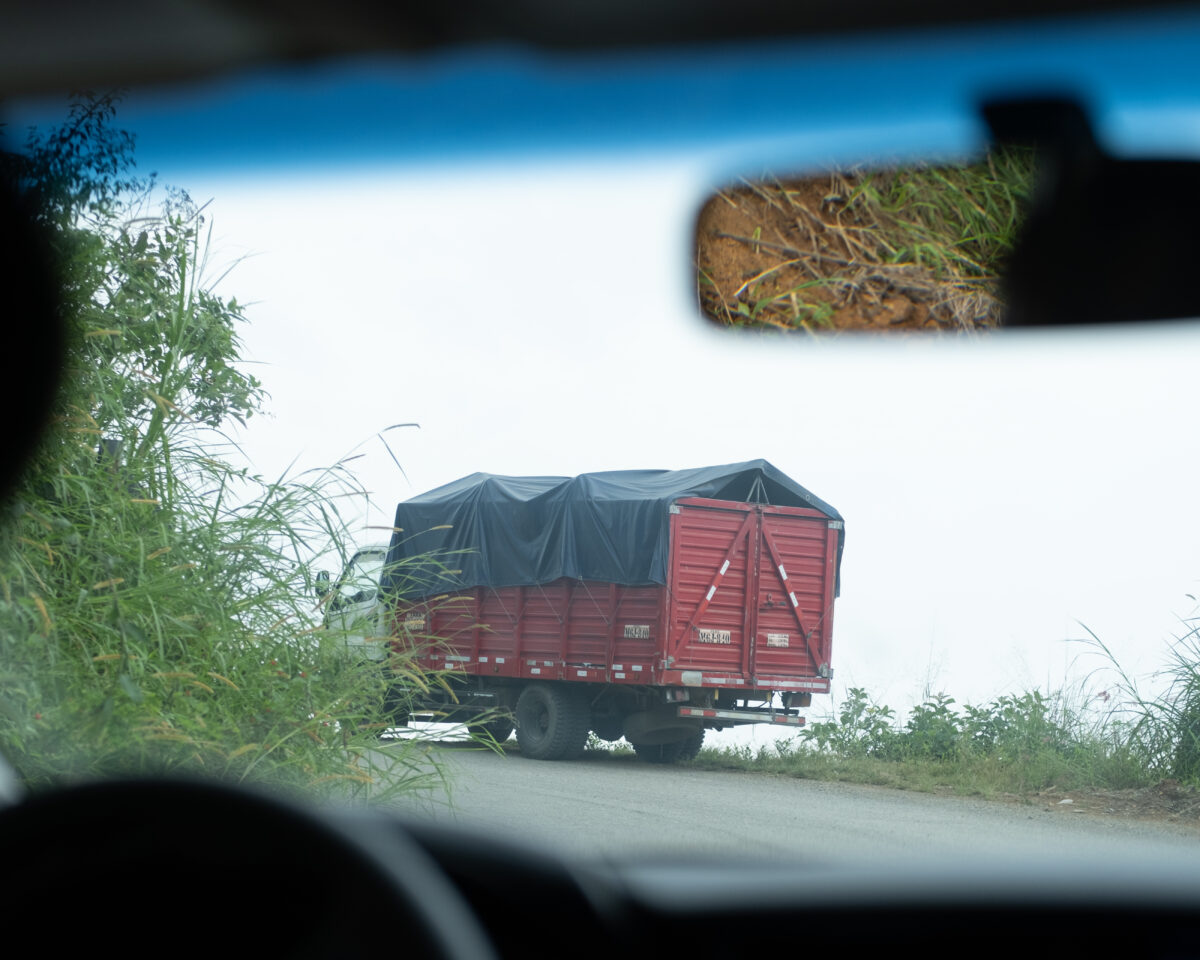
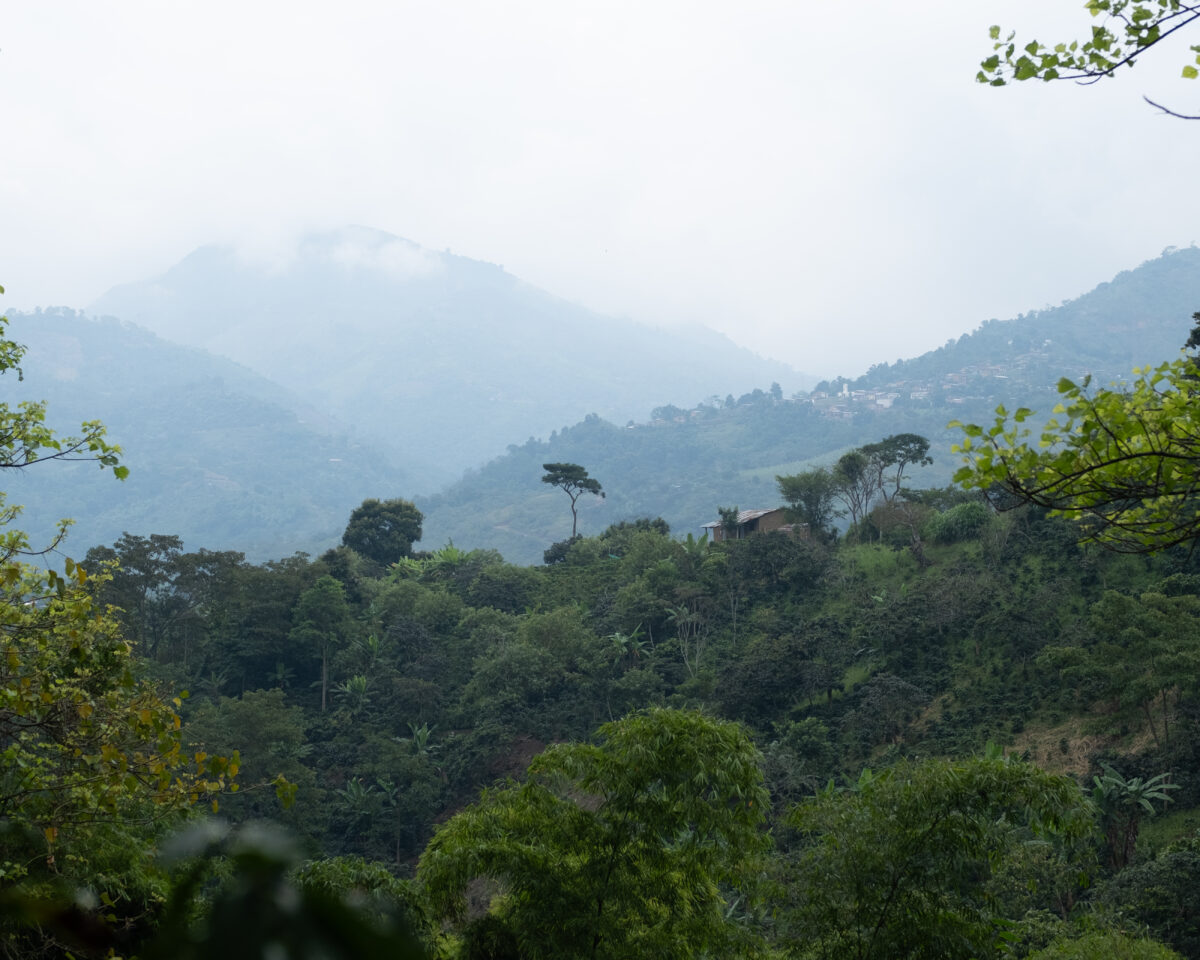
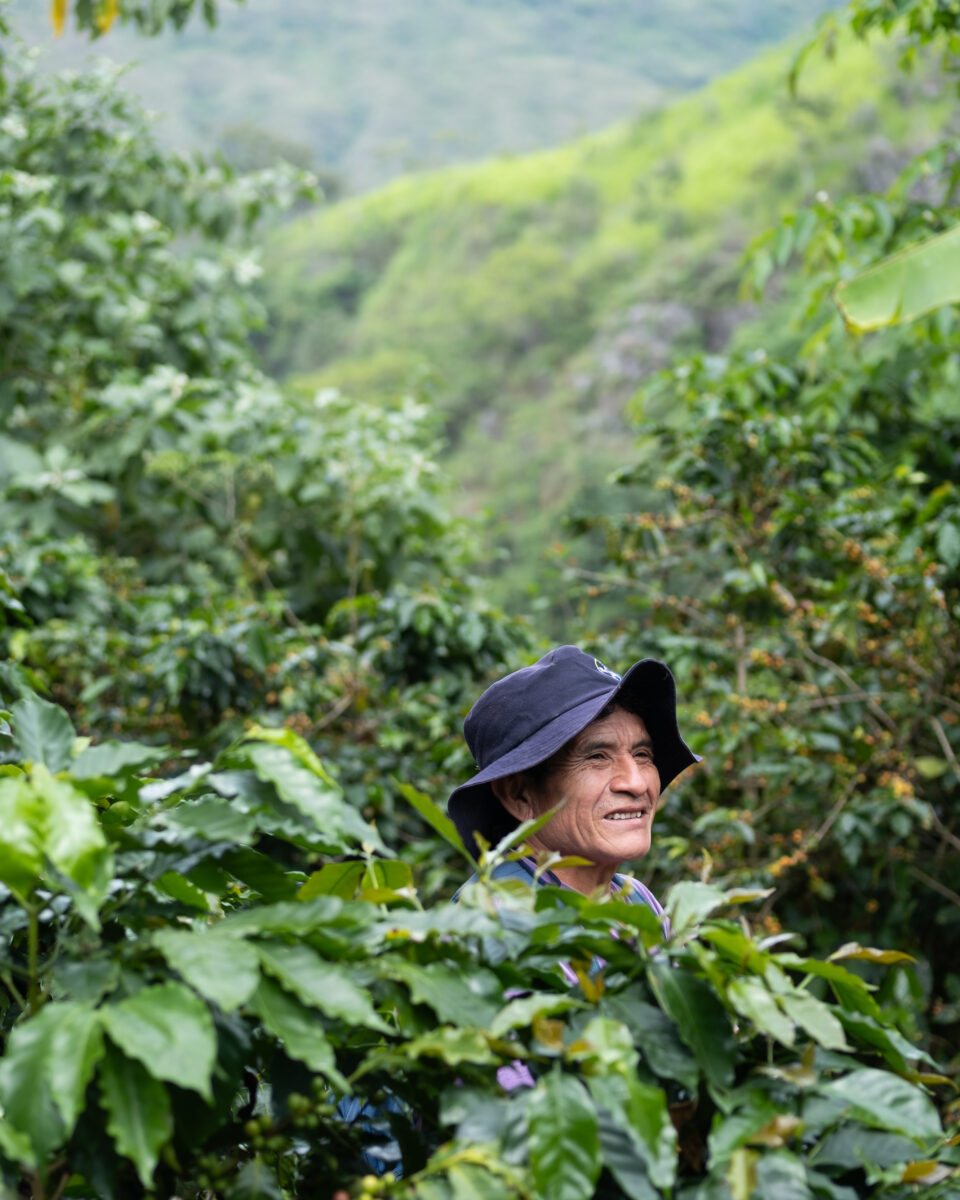
Leaving Jaén behind, we climbed winding mountain roads towards the isolated community of Dos Aromas in Chirinos. Named after the area’s two principal crops coffee and cacao, the association sits high above the valley among steep coffee farms and cloud forests.
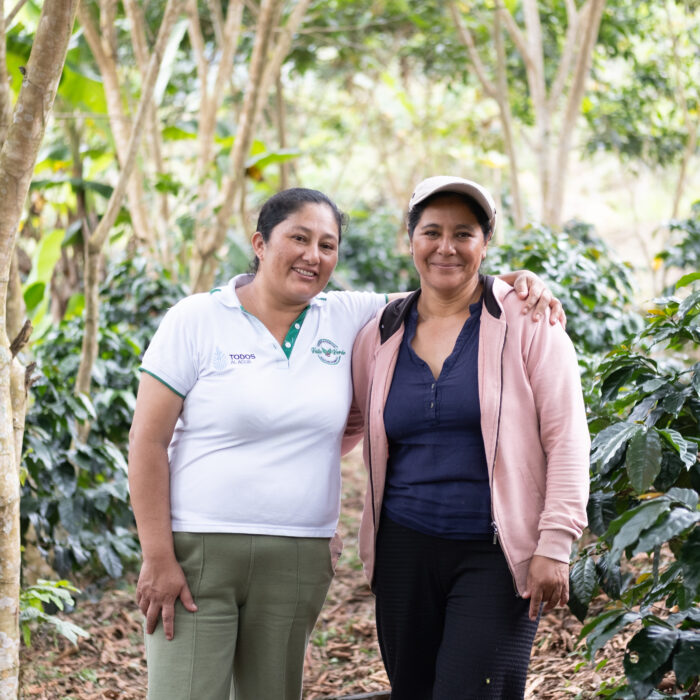
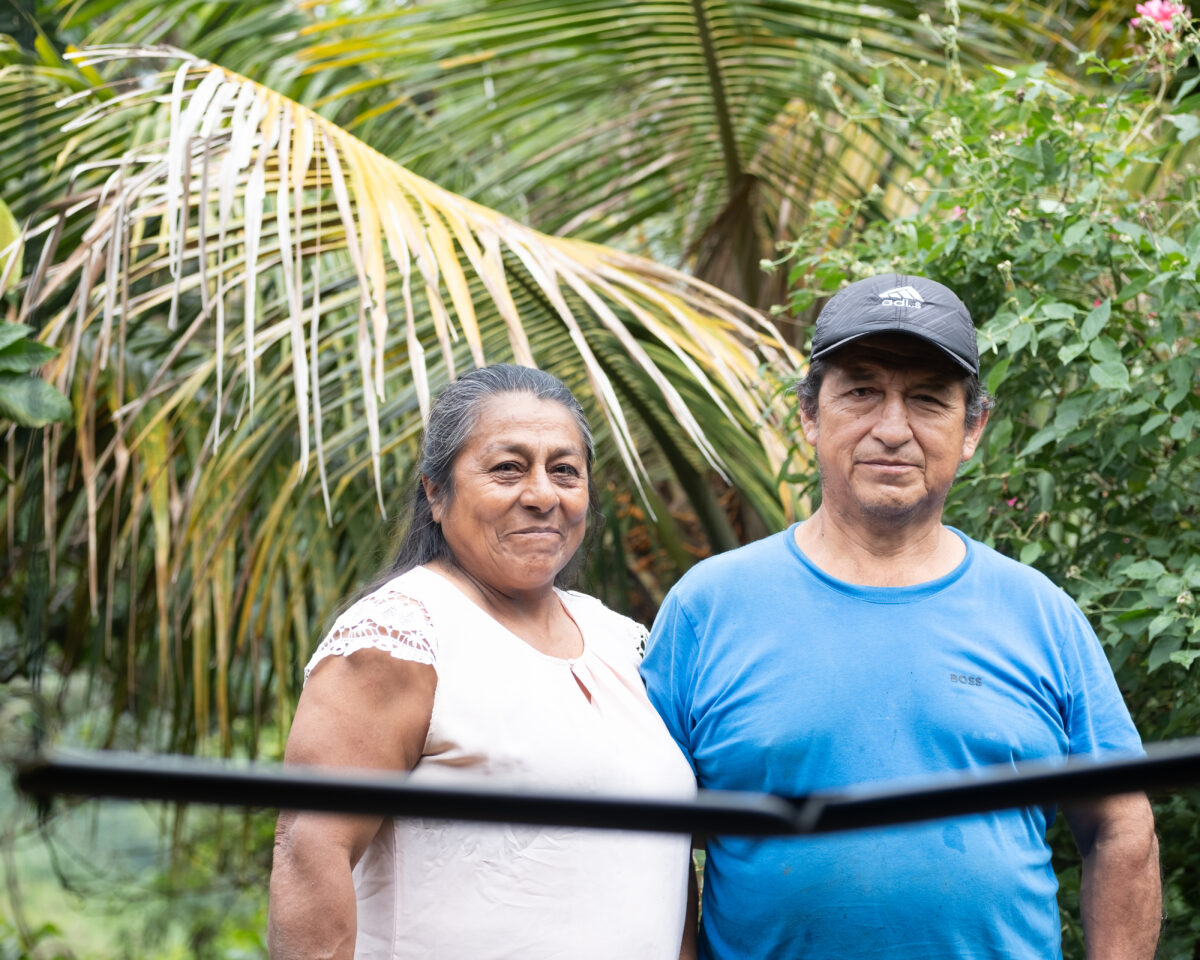
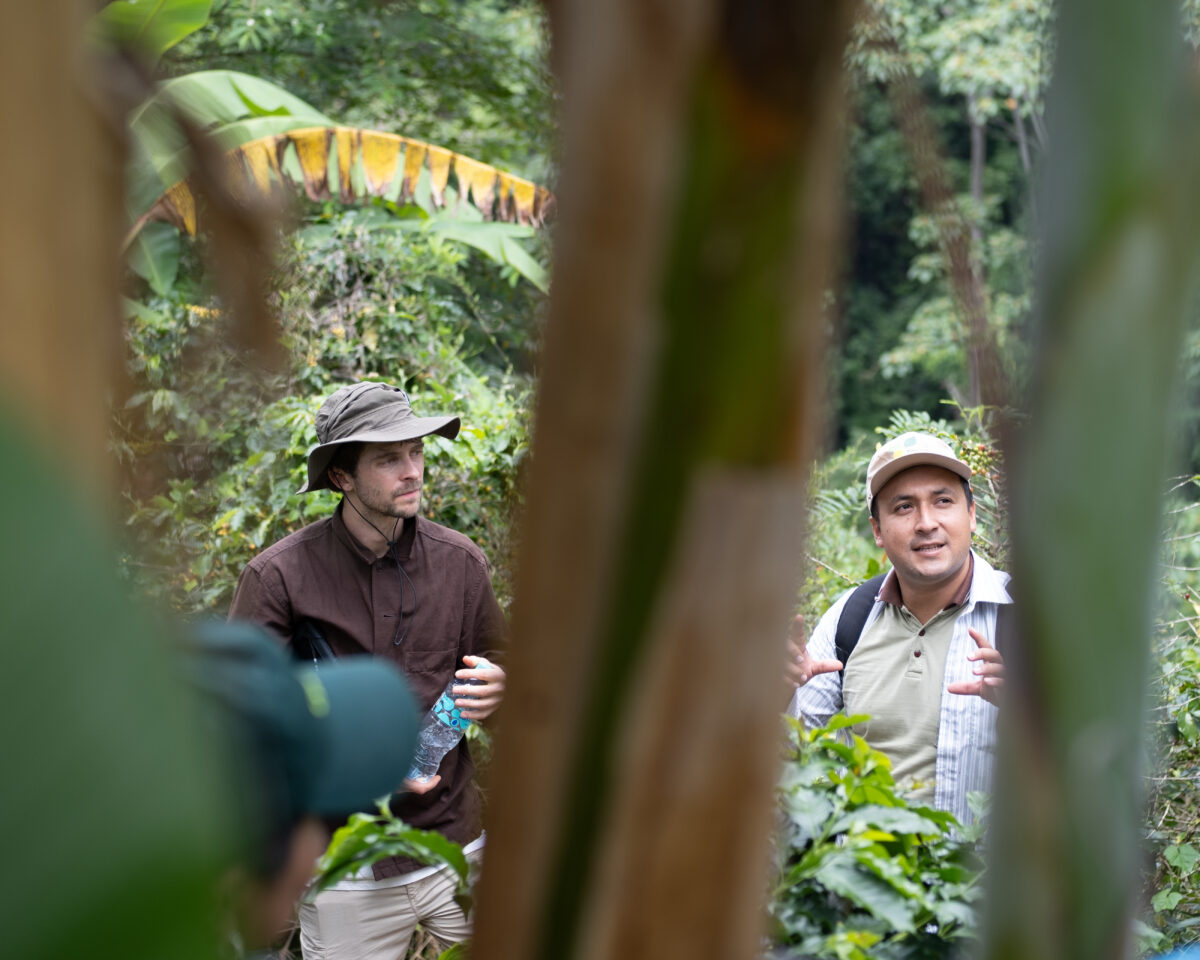
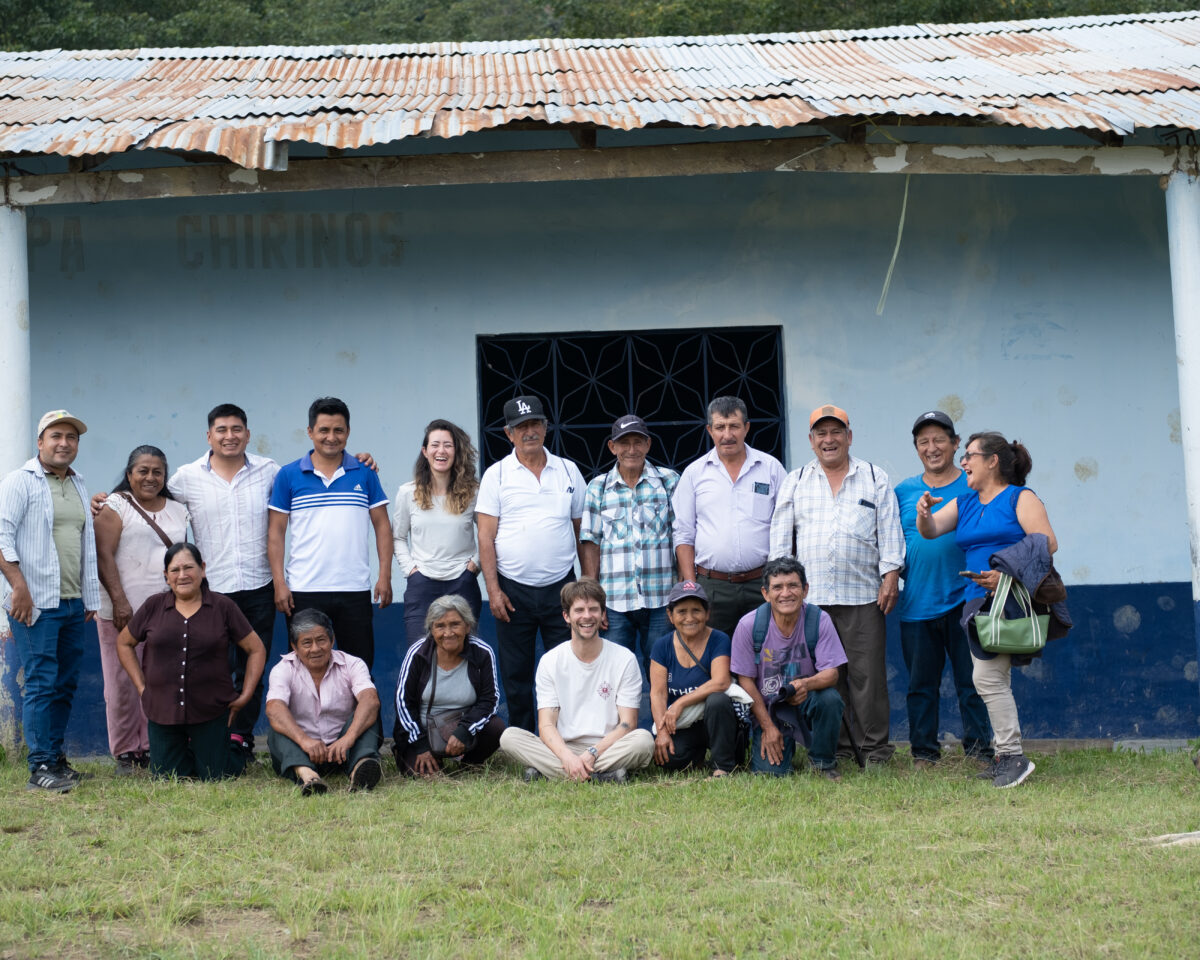
Together with Cenfro’s technical assistance team, we visited Marina and José to discuss coffee production, farm renovation, and the practical realities of implementing EUDR.
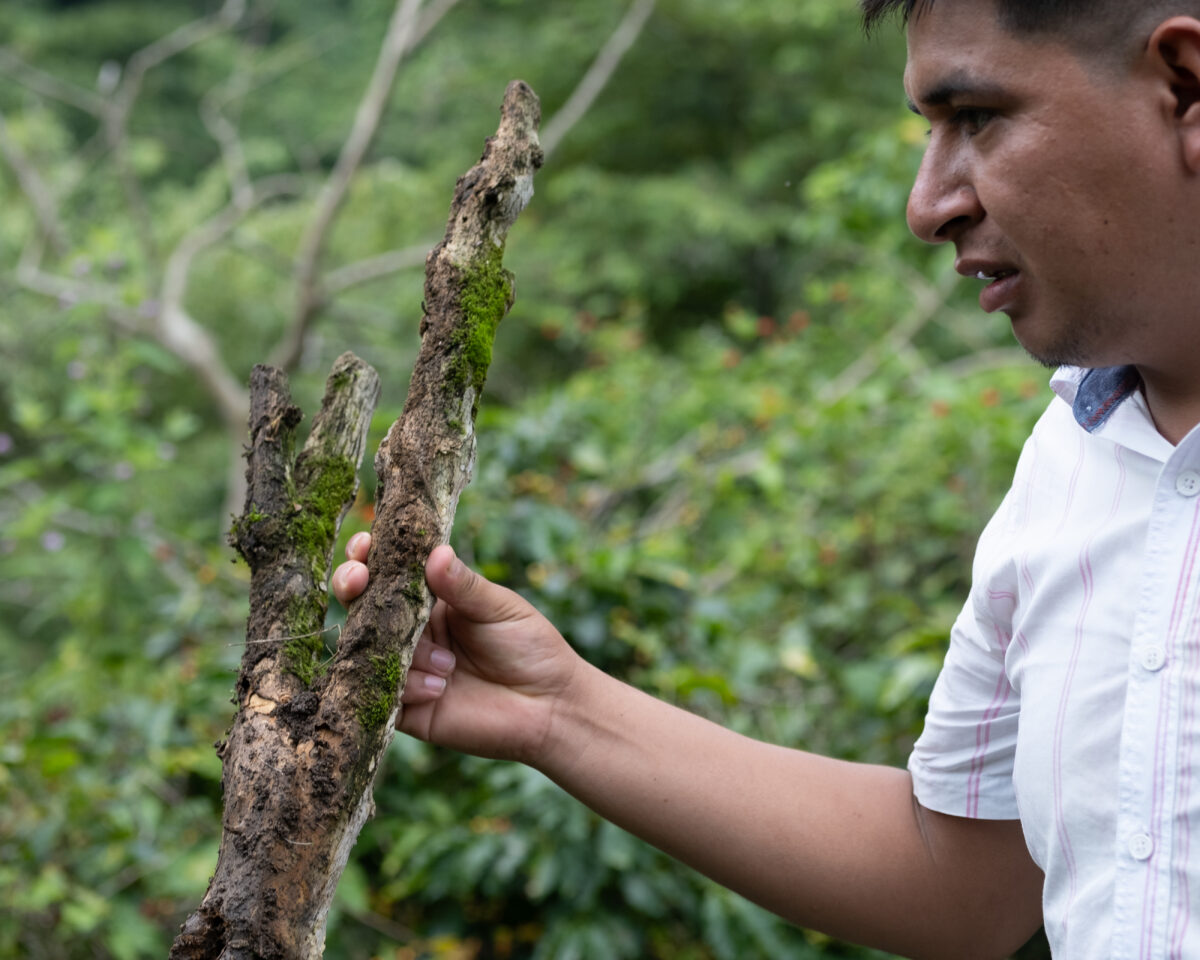
The day became an interchange about shared challenges. Farmers explained how renovated coffee plots can sometimes be incorrectly identified as deforestation by satellite monitoring systems. The Cenfro team went into further details of how they grant compliance and shared some cases of exemption.
Together, we explored practical solutions while sharing experiences from both origin and destination markets.
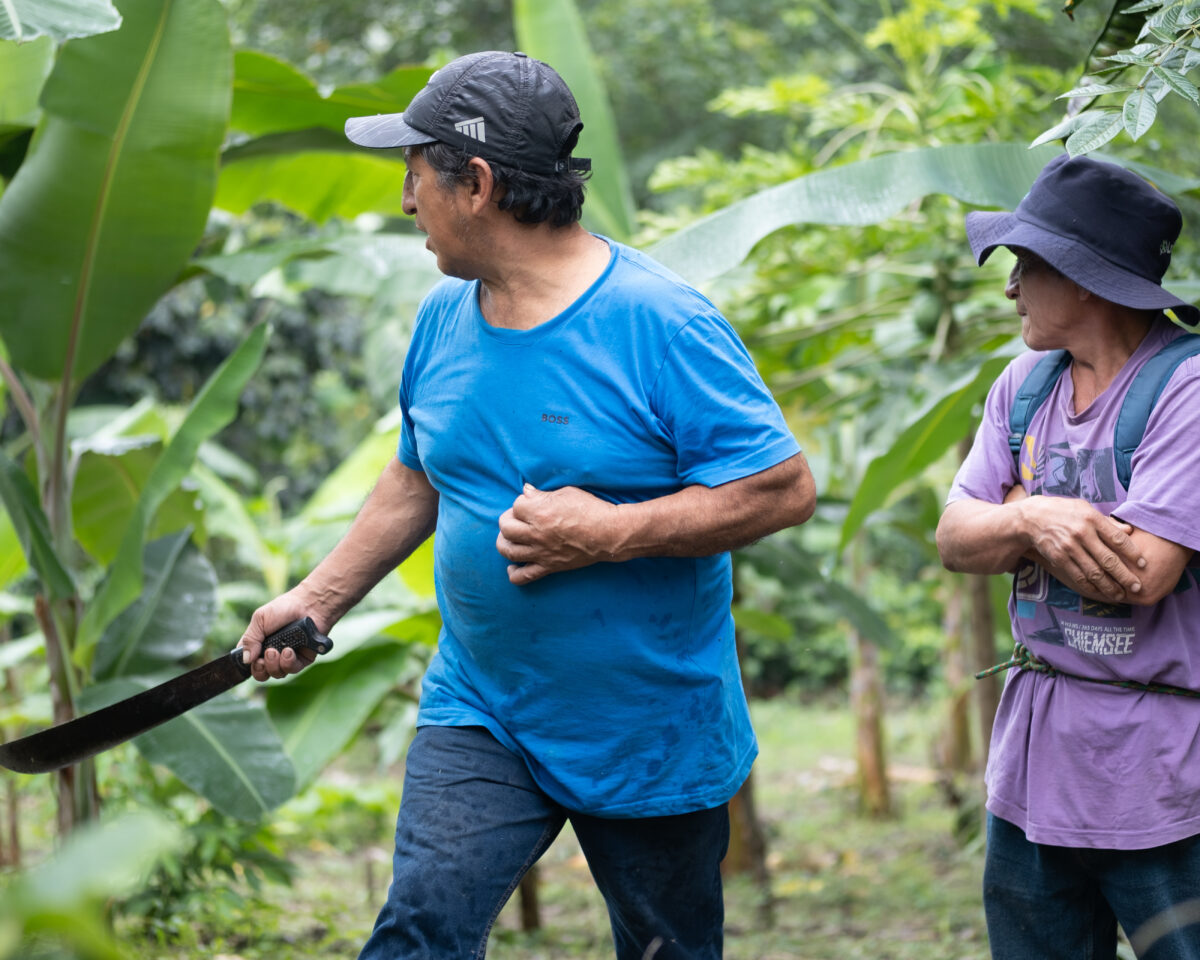
From José’s home, we hiked through dense cloud forest to one of his coffee plots. The route crossed streams, climbed steep hillsides, and required clearing vegetation with machetes before finally reaching the farm.
On the way back, José smiled and reminded us: “Now imagine carrying a full sack of coffee cherries up here.” Today, a donkey helps transport the harvest, but the journey remains a daily reminder of the dedication required to produce specialty coffee in northern Peru.
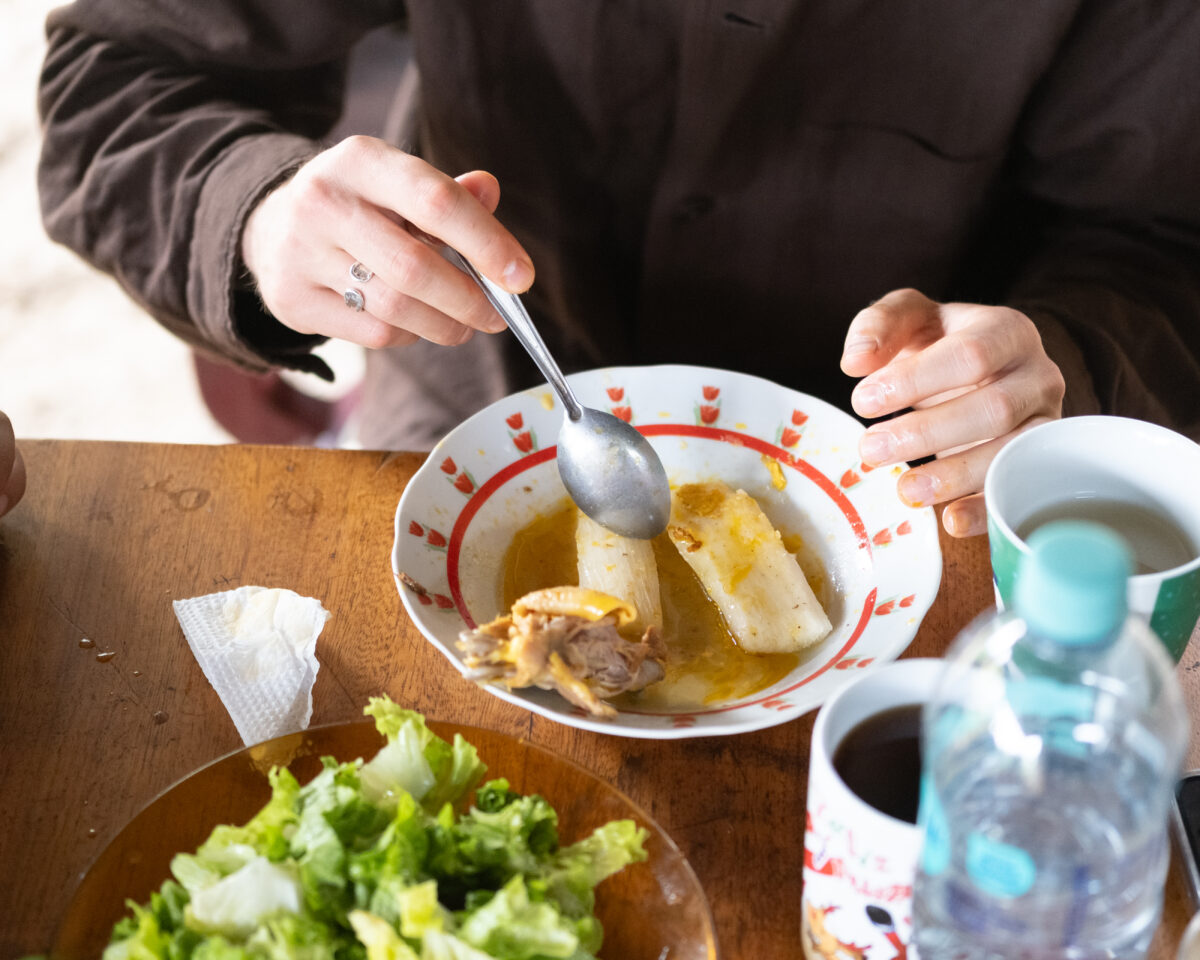
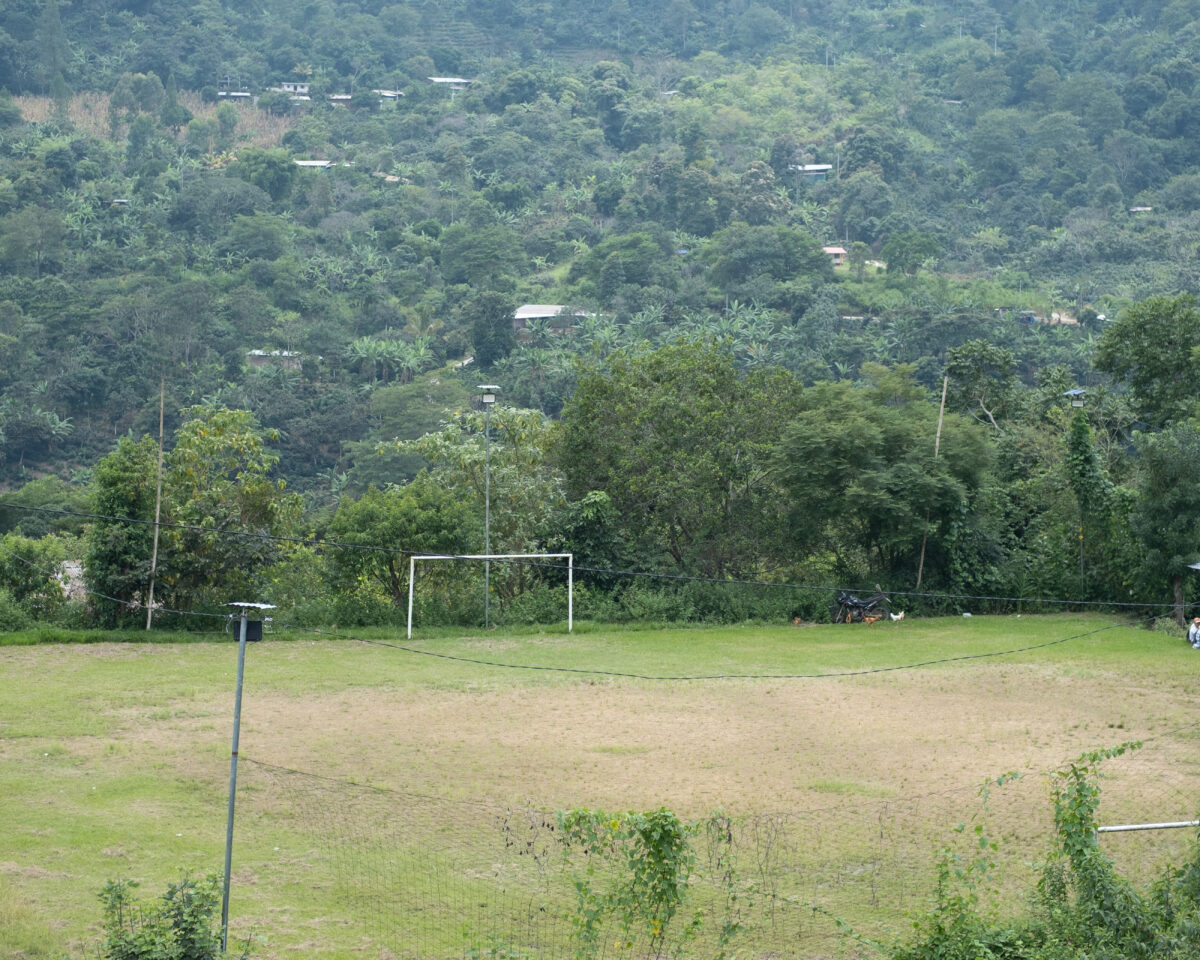
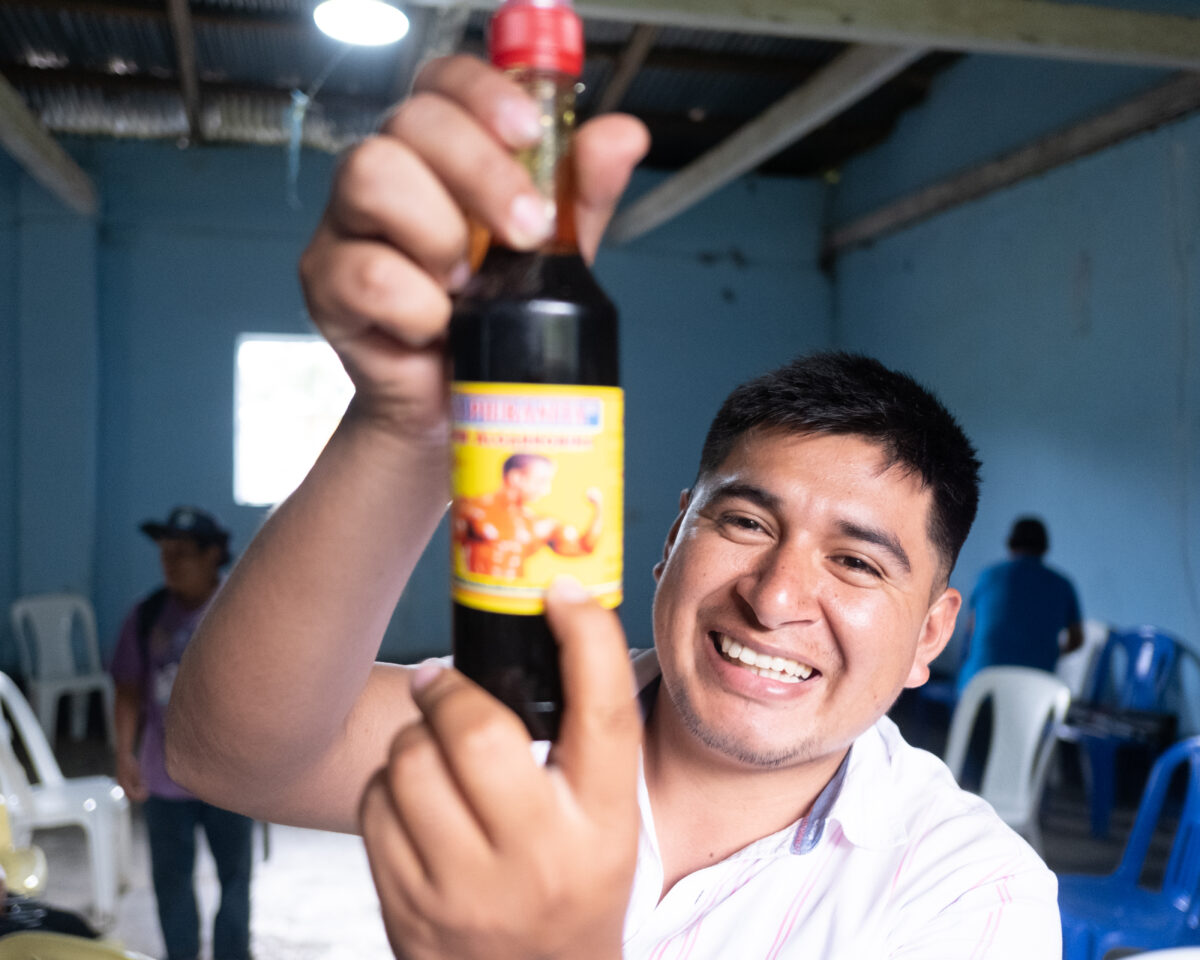
Back in Chulalapa, a village of around 200 residents, the community gathered around the football and volleyball field that doubles as the town square. Over lunch and homemade rompope, conversations shifted from coffee to family traditions, local culture, and hopes for the future.
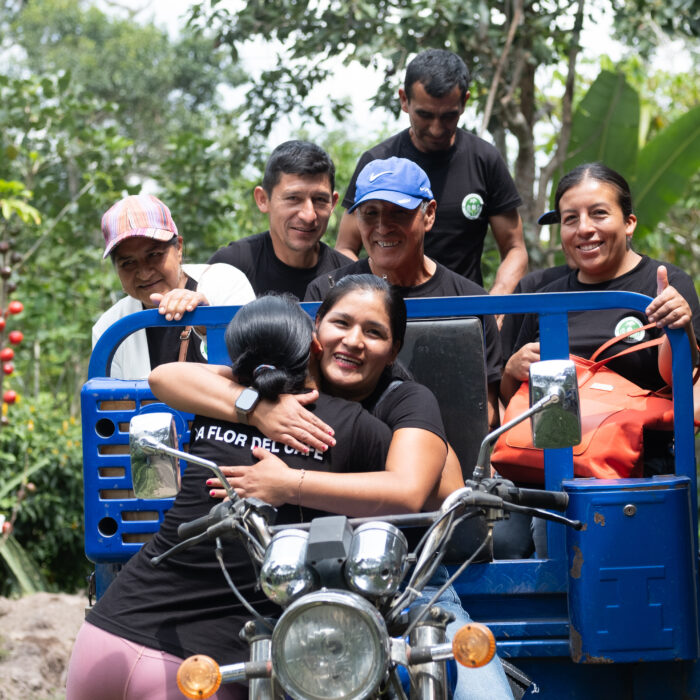
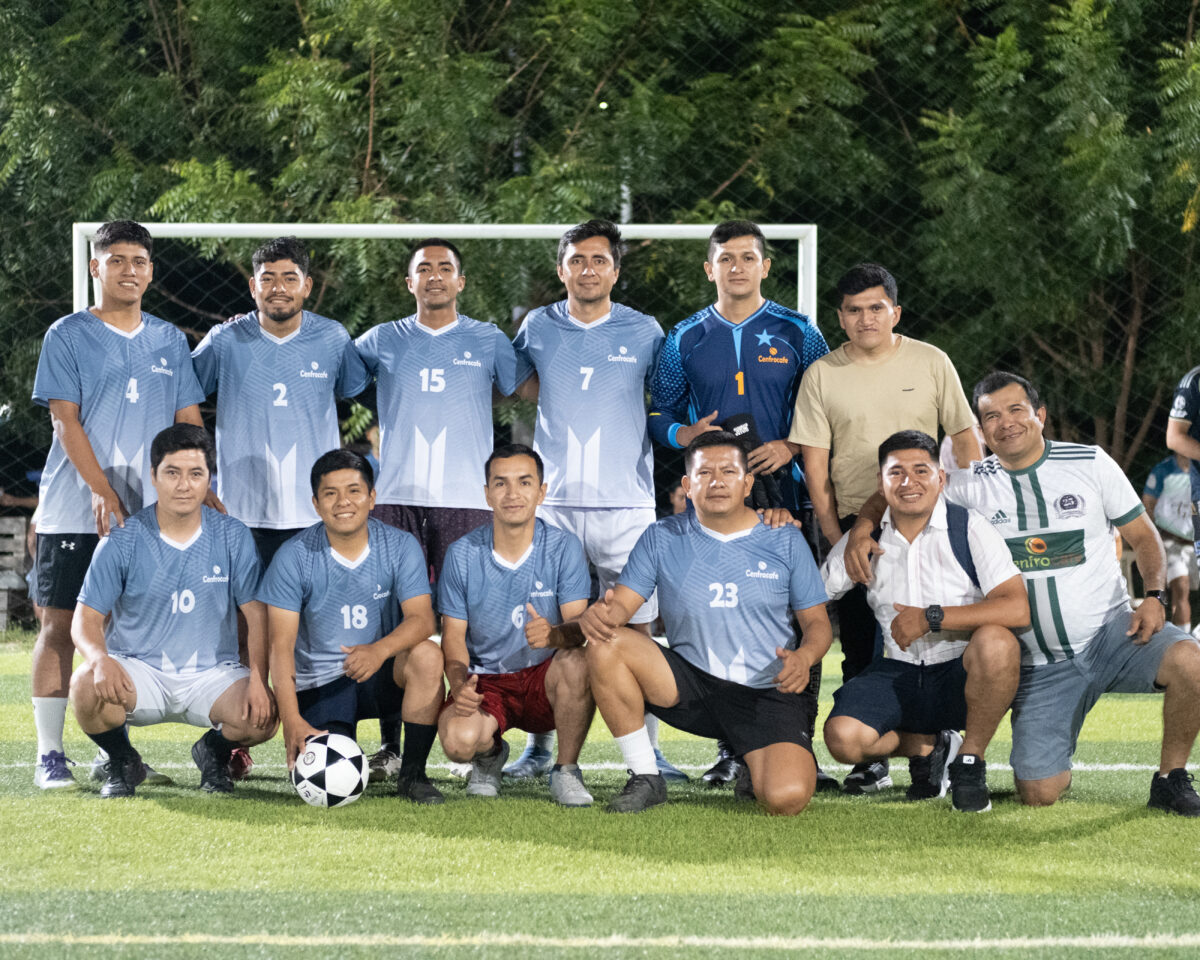
Coming back to Jaén after a long day in the mountains, we quickly learned that Peruvians seem to have endless energy. Perhaps it starts with the hearty breakfasts, where fish or meat on the table is nothing out of the ordinary before a day of physical work. Yet the day still wasn’t over. That evening, we joined the Jaén Exporters League, where coffee exporters from across Cajamarca gather each week to play football and volleyball. Cheering on the CENFROCAFE team, we bumped into many of our other sourcing partners. While the matches were fiercely contested, it quickly became clear that everyone came just as much for the community, live cumbia music, and conversations as they did for the trophy.
These days perfectly captured what makes northern Peru such a remarkable coffee origin. Cenfro, a cooperative found in 1999, helped shape the regions specialty movement and now continues to invest in its future through infrastructure, research, and innovation. From winding mountain roads disappearing into the clouds to humble farming communities tucked between the Andes, every part of the journey revealed the uniqueness behind these coffees. Then, returning to a city that has become a hub for quality, research, and export it all comes together.
It’s easy to understand why coffees from Cajamarca have earned an outstanding reputation around the world. Yet above all, what stayed with us most was the warmth of the people, the generosity around every shared meal, and the strong sense of community that defines Cenfro and the region it calls home.