In the northernmost reaches of Peru, nestled against the border with Ecuador, lies the coffee-producing district of Tabaconas. Part of the San Ignacio province in Cajamarca, this region is defined by steep terrain, mist-covered forests, and enduring coffee traditions. Rising from 1,100 to over 2,400 meters above sea level, the area’s location within a trans-Andean corridor creates distinct microclimates and biodiversity—ideal for cultivating complex, high-quality Arabica.
Tabaconas is also the birthplace of CENFROCAFÉ, one of Peru’s leading coffee cooperatives. Founded in 1999 in the hamlet of Palla Peña, the cooperative began with 11 local associations and 220 smallholder producers. This foundational role cements Tabaconas’ influence in shaping specialty coffee production across Cajamarca. From these remote borderlands, CENFROCAFÉ has grown to serve thousands of producers throughout northern Peru.
Trabocca has worked with CENFROCAFÉ for over a decade, building a strong partnership rooted in shared values, quality, and transparency. Through this relationship, Trabocca has earned a reputation among producers in Cajamarca as a reliable and respectful buyer. We typically source from CENFROCAFÉ’s regional APU and Chasqui blends—carefully constructed blenders based on altitude and cup quality. APU lots, selected from 1,400 to 1,800 meters and scoring 85+, are prized for their complexity and structure, while Chasqui coffees, grown from 1,200 to 1,800 meters and scoring 82–83, offer excellent value and reliability.
Tabaconas marks a new step in our partnership: our first direct purchase from this microregion, aimed at deepening local impact and celebrating traceability at the community level. By highlighting this coffee, we aim to showcase the individual microclimates of Tabaconas and offer roasters a deeper connection to the people and place behind the cup. It’s a relationship grounded in identity, values, and perhaps fittingly, in names that almost echo each other: Tabaconas and Trabocca.
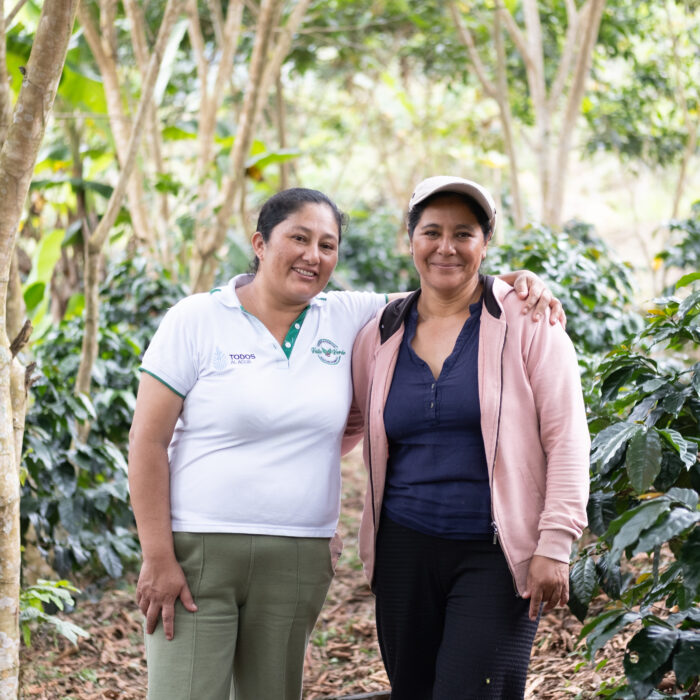
Coffee production in Tabaconas is carried by a network of around 505 farming families, many of whom work lands passed down through generations. Here, coffee is not just a crop—it’s a cultural and economic foundation. Seasonal work is often communal, with neighbors and families collaborating in “mingas” (shared work days), especially during harvest.
Farms typically span 2 to 5 hectares, cultivated under the shade of native trees like laurel and cedar, as well as fruiting species such as banana and avocado. Producers apply a mix of time-honored practices—manual weeding, selective harvesting, artisanal drying—with more recent innovations like composting, modular drying stations, and ecological pest control. These methods contribute to soft, structured cup profiles, often marked by citrus, cocoa, or stone fruit notes.
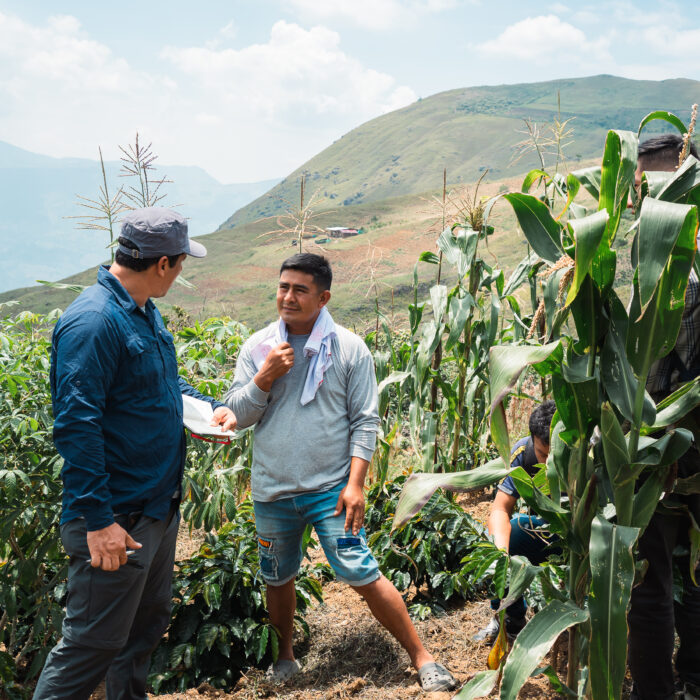
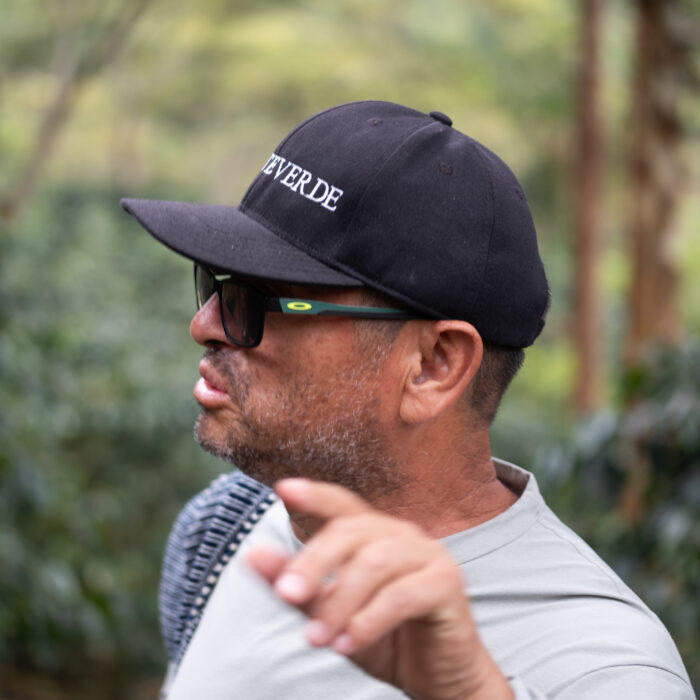
The 2025 lot was produced by a traceable group of 154 individual smallholder farmers, all located within Tabaconas and working through 12 local associations. Each producer contributes coffee from their own uniquely named plot—El Laurel, La Palta, El Cedro—reinforcing the deeply personal and place-based nature of the supply chain. This lot exemplifies not only quality and transparency but also a commitment to preserving identity through traceability. On the photo on the left, you can see Miguel Cruz Nuñez from the Finca El Mamgo in San Pedro, Tabaconas processing his coffee with a unique view on the highlands of Peru.
The journey from cherry to export begins with handpicking only the ripest cherries. After depulping, fermentation is carefully managed to bring out the coffee’s finest attributes.
Aerobic fermentation, conducted in open tanks for 24 to 36 hours, supports clarity and brightness in the cup. Some farmers also explore anaerobic fermentation, which extends for over 48 hours in sealed environments to highlight deeper sweetness and layered complexity. Drying typically takes place on raised beds or under parabolic dryers to protect against unpredictable mountain weather.
These steps are guided by local experience and supported by cooperative and municipal programs, which provide training in post-harvest techniques, certification protocols, and sustainable farm management.
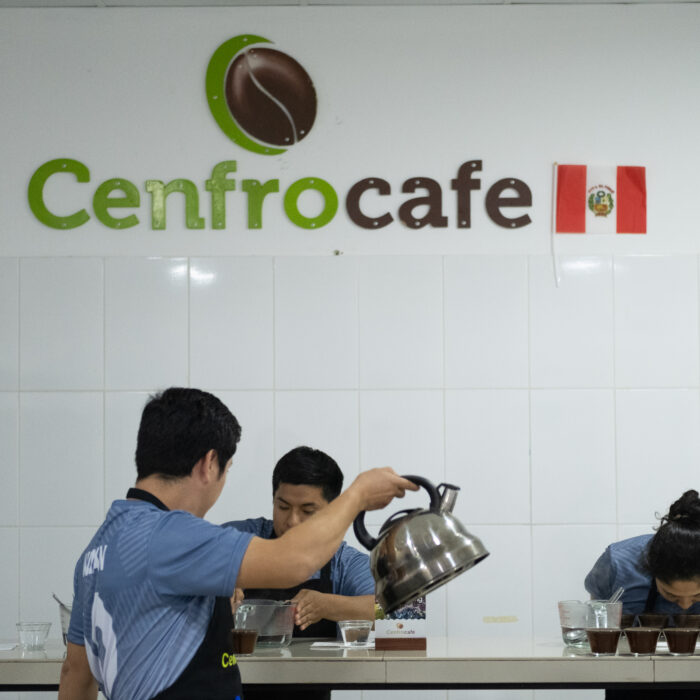
Farmers receive premiums based on the quality tier their lots achieve, reinforcing a culture of excellence. CENFROCAFÉ built its operations around disciplined cupping and careful lot separation. Their cuppers were among the first to earn Q-certifications in Peru, but more importantly, they have sustained their sensory rigor over time. This cupping culture is key to the cooperative’s ability to reward growers, maintain consistency, and serve long-term partnerships like ours.
Tabaconas borders the Tabaconas-Namballe National Sanctuary, one of Peru’s most ecologically significant reserves. Spanning over 32,000 hectares, the sanctuary protects a blend of cloud forests and high-altitude grasslands locally known as páramo—a rare ecosystem in Peru more commonly associated with Ecuador and Colombia. Its proximity to this biodiversity hotspot shapes how producers view and interact with their land.
Many farms operate organically, even where not certified. Composting, shade-tree management, and agroforestry systems are the norm. Producers avoid synthetic inputs, protect water sources, and maintain biodiversity across their parcels—often integrating fruit trees or leguminous crops for soil health.
Community-led development projects have strengthened these efforts. Local associations have received investment in fertilizers, fermentation tanks, drying modules, and technical assistance—all helping to raise productivity, stabilize incomes, and enhance cup quality.
Beyond its fields, Tabaconas maintains a strong cultural rhythm. Each September, families celebrate their patron saint, San Miguel Arcángel, with festivities that blend tradition and community pride. Coffee sustains this rhythm—rooting families in place, passing on knowledge, and shaping futures.
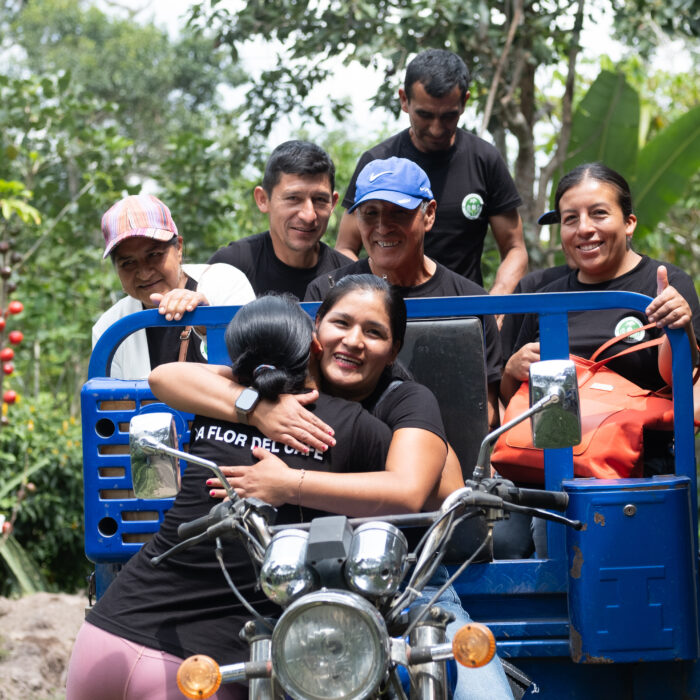
Farms are not easy to reach. The journey from Jaén takes up to three hours, with some plots accessible only by motorcycle in the rainy season. Yet from this remote, rugged terrain come coffees that speak clearly of place, practice, and people.
Tabaconas is not just another origin. It is the cradle of a cooperative movement, a borderland of ecological richness, and a living model of sustainable, traceable coffee production. In the cup, you taste the names, hands, and landscapes that define this highland community.