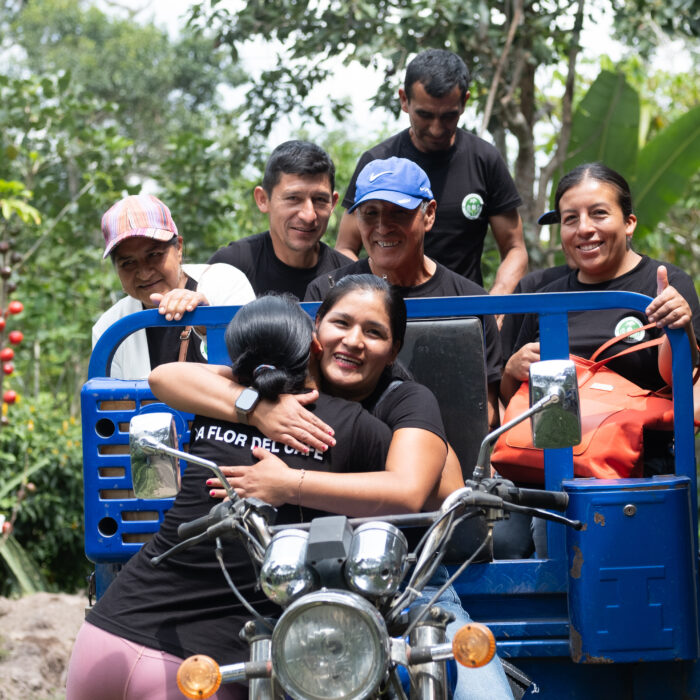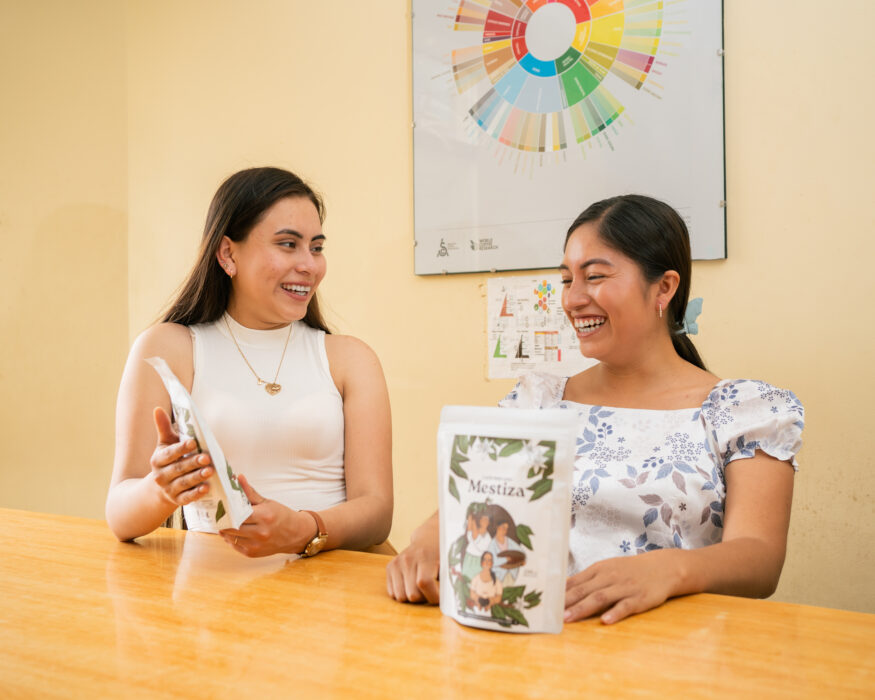
Some coffees tell the story of a place. Others tell the story of a producer. Mestiza tells the story of a movement.
Brought to life by the Aromas del Valle Cooperative, Mestiza is a pilot project exploring how specialty coffee can become a catalyst for women’s leadership. In its first phase, the project works alongside 30 women producers in Jaén, Cajamarca. Every coffee sold contributes to a model designed to create measurable social, environmental, and economic impact. The clear ambition is to roll out the program and extend it to the whole cooperative empowering 150 women coffee leaders and benefit more than 2400 people.
Mestiza was designed with two markets in mind. One part of the harvest remains in Peru, where it is roasted and sold under the Mestiza brand. At its core, this model recognizes the irreplaceable role of women in coffee production and the structural barriers they continue to face. Acknowledging these challenges while actively working to shift them through visibility, leadership, and opportunity. At the same time, it is a celebration: of the beautiful, expressive cups these women are producing.
The remaining coffees are exported to specialty markets around the world, opening new commercial opportunities while connecting the project with buyers who value coffees with measurable social impact. Whether enjoyed in Jaén, Amsterdam, or Minneapolis, every bag carries the same long-term mission: strengthening the role of women in and outside of the coffee world by contributing directly to an impactful project!
The origins of the Mestiza project are traced back to a small community. Life in Progreso moves at the rhythm of coffee. Tucked into the mountains of San José del Alto, the community is home to small family farms connected by winding mountain roads and surrounded by lush forests. Despite its remote setting, Progreso lies within one of northern Peru’s most exciting coffee landscapes, where cool mountain temperatures, abundant rainfall, and generations of farming knowledge come together to produce exceptional coffees.
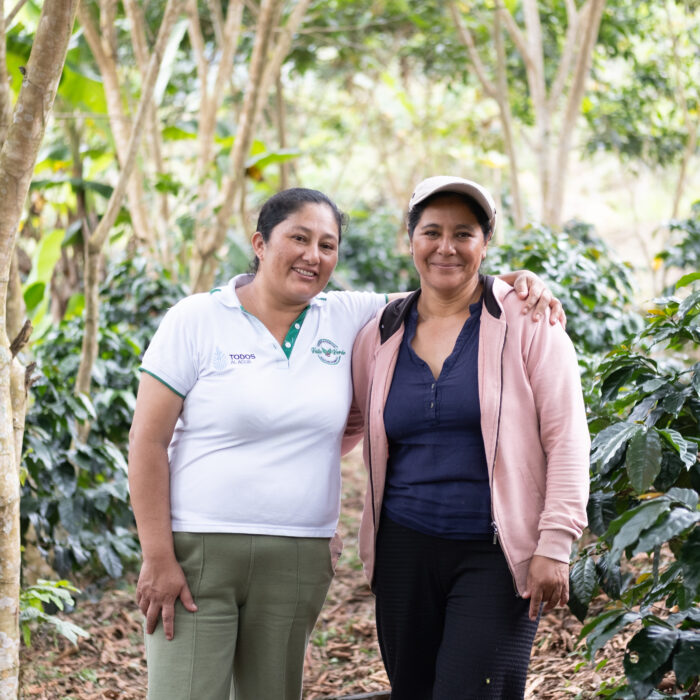
The 30 founding women of Mestiza cultivate approximately 74.5 hectares of coffee, averaging 2.5 hectares per farm. Their farms sit between 1,300 and 1,800 meters above sea level, where Caturra, Bourbon, and Typica varieties flourish. Alongside these established cultivars, Aromas is gradually introducing climate-resilient selections including improved Typica, resistant Caturra, and Geisha, ensuring the region remains prepared for the future.
Mestiza officially launched in 2024 as the first phase of the Mujeres, Café y Clima program. Today, it works with 30 women producers and approximately 70 associated families, intentionally keeping the project small while every aspect is carefully evaluated.
The long-term ambition reaches far beyond Progreso. As the project evolves, Aromas plans to expand Mestiza throughout its producer communities in Jaén, San Ignacio, Cutervo, and neighboring Utcubamba, eventually benefiting around 600 families.
The vision is not simply to grow the project, but to create a proven blueprint for women-led coffee development across northern Peru.
Before launching the project, the cooperative carried out a study among its members. The findings highlighted structural challenges extending beyond coffee production. Only 24% of women actively participated in the cooperative, while nearly 70% remained strongly influenced by traditional machismo within the household. Economic autonomy remained limited, and average productivity reached just 22 quintals per hectare, despite an estimated regional potential of around 40 quintals.
Rather than separating agricultural and social development, Aromas chose coffee as the vehicle for change. The name Mestiza reflects the meeting of Andean and Amazonian cultures while honoring the journey of one of the cooperative’s co-founders. That identity has become a coffee project that celebrates both cultural heritage and women’s leadership.
Behind this project stands Aromas del Valle, one of Peru’s younger specialty coffee cooperatives. Much of its leadership and membership are in their 30s, bringing fresh perspectives and an entrepreneurial mindset. Under General Manager Iván, the cooperative has developed a philosophy that sees coffee quality and community development as inseparable.
Working closely with Yasmin and the Progreso Foundation, Aromas combines management training, access to finance, technical assistance, and international market connections into one integrated support model.
For Aromas, supporting producers begins long before harvest. The cooperative believes lasting quality is built through continuous investment in people, farms, and communities rather than short-term interventions.
That philosophy forms the foundation of every MESTIZA coffee.
Support begins with healthy farms. Producers receive improved coffee seedlings alongside native shade and fruit trees, organic farm inputs, and upgraded processing infrastructure. Through the Café Mujer technical package, agronomists provide guidance on genetics, fertilization, pruning, pest management, and long-term farm renovation.
These investments help increase productivity while preserving the clean and vibrant cup profiles for which northern Cajamarca is known.
The project has invested in each participants processing infrastructure. Resurfaced fermentation tanks, wet-processing modules, solar dryers, and a certified roasting facility capable of processing 500 kilograms per week. Combined with improved market access, these investments allow producers to create greater value from every harvest.
Administrator Eduardo coordinates a multidisciplinary team where agronomists work alongside psychologists. While technical advisors provide on-farm guidance, psychologists regularly visit participating households, offering workshops and counseling that strengthen communication, confidence, and shared decision-making.
Rather than treating family wellbeing as separate from coffee production, Mestiza recognizes that resilient coffee communities begin at home.
Many women describe gaining the confidence to participate more actively in both their farms and their communities. One of them is Kerly Sánchez Torres, who joined the program with her husband. Through ongoing psychological support and family counseling, they rebuilt their relationship around communication and mutual respect. For Kerly, the process also meant rediscovering her own voice and the confidence to make decisions for herself, her family, and her future.
Fully ripe cherries are selectively handpicked before entering eco-efficient fermentation tanks (also known as “tanque tinka”) that reduce water consumption by an estimated 40–60%. Controlled fermentation helps develop complex characteristics before the coffee is slowly dried in naturally ventilated solar dryers. Temperature and humidity are being monitored for consistent drying conditions.
One of the project’s largest environmental investments focuses on wastewater management. Coffee wastewater passes through vetiver phytoremediation systems and community biodigesters, reducing biological oxygen demand by up to 85% while generating both biogas and organic fertilizer.
Water recirculation systems save an estimated 200,000 liters annually for every processing unit, demonstrating how environmental innovation can improve both coffee production and local ecosystems.
The project already reports measurable results after its first year. Average productivity increased from 22 to 28 quintals per hectare, representing a 27.3% improvement, while cup quality increased from 80–82 to approximately 83 SCA points. Sales of locally roasted Mestiza coffee also grew by 22%.
Progress extends well beyond coffee. Women’s participation within the cooperative increased from 15% to 40%, while female representation in governance reached 40%. Community leadership among women rose from 5% to 32%, economic autonomy increased from 10% to 55%, and dependence on traditional machismo declined from 90% to 55%.
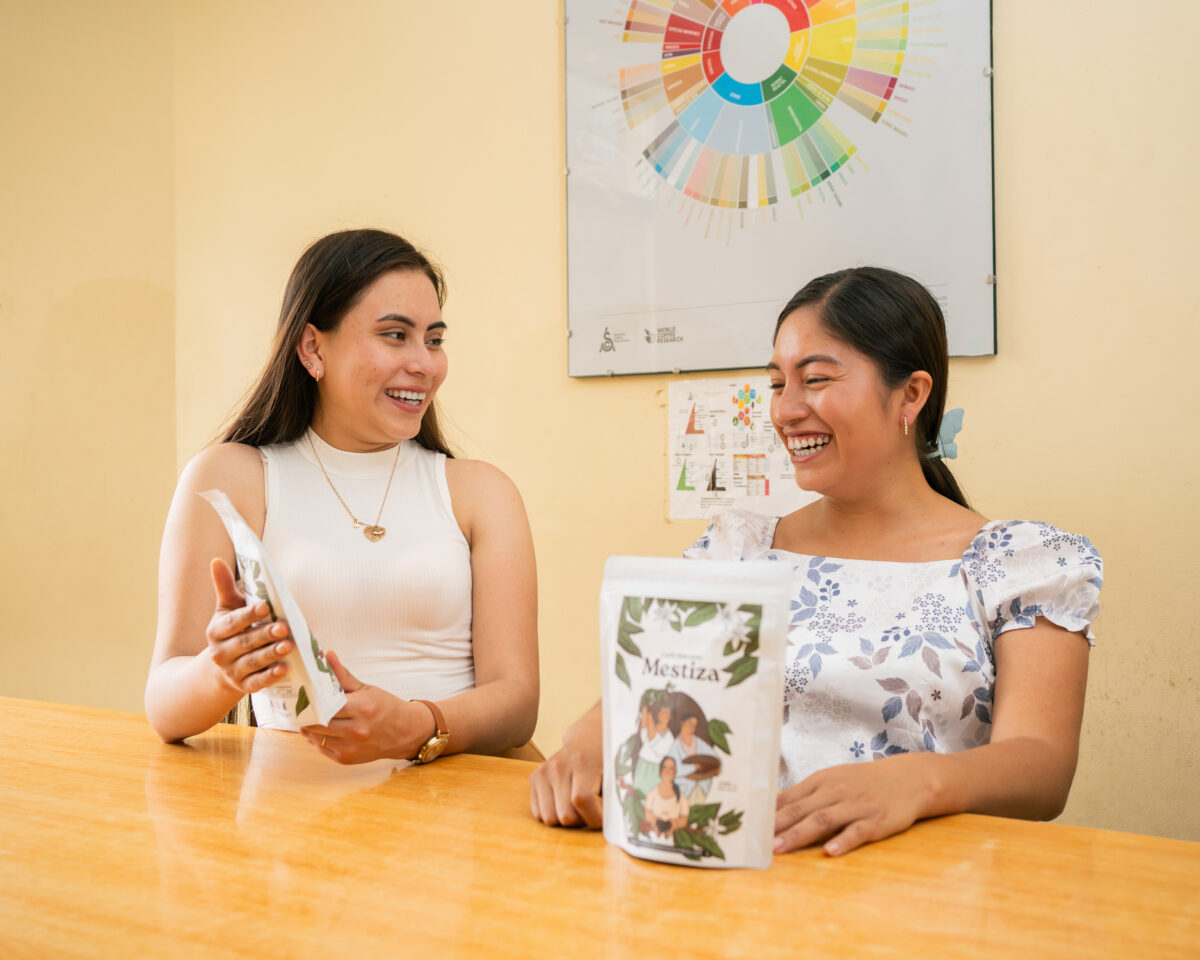
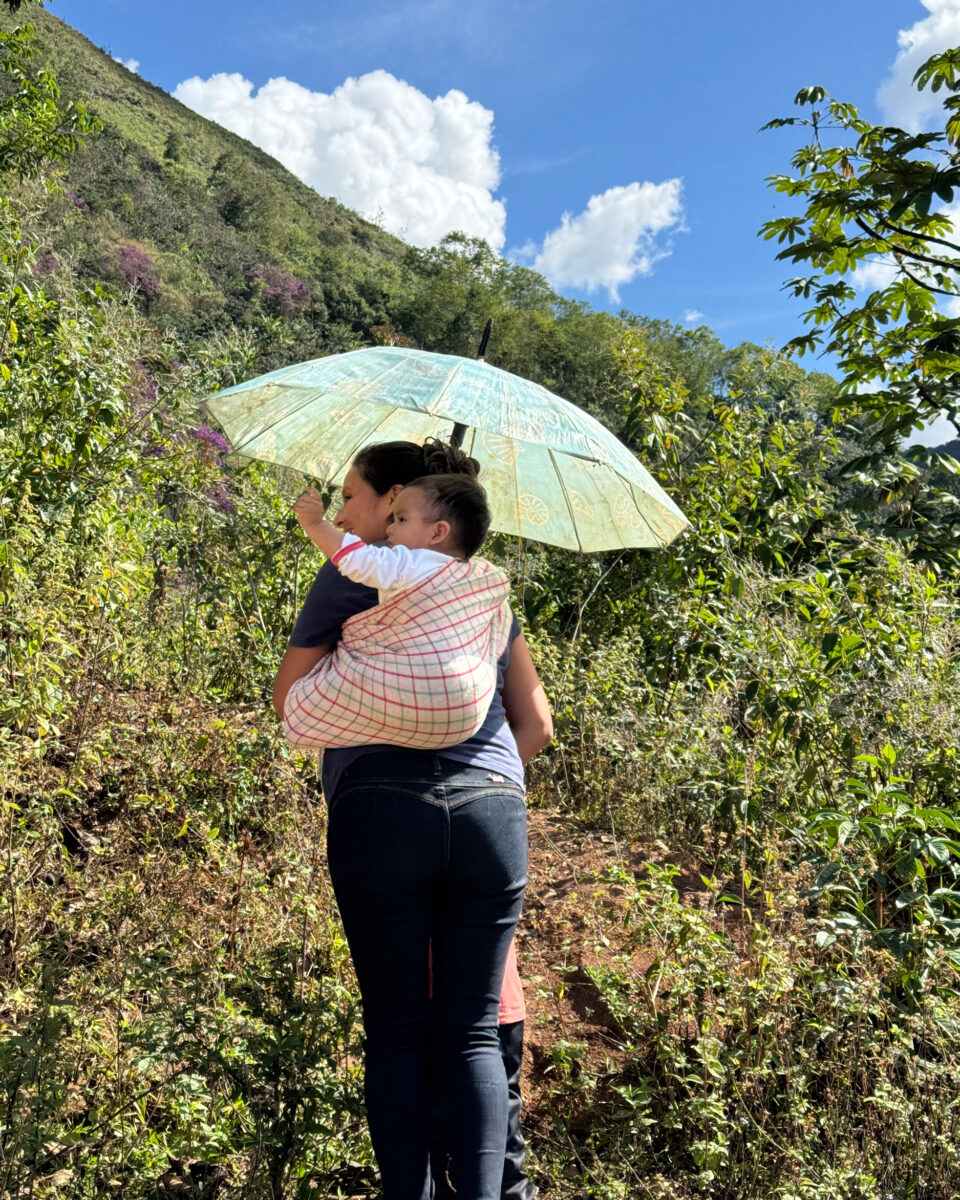
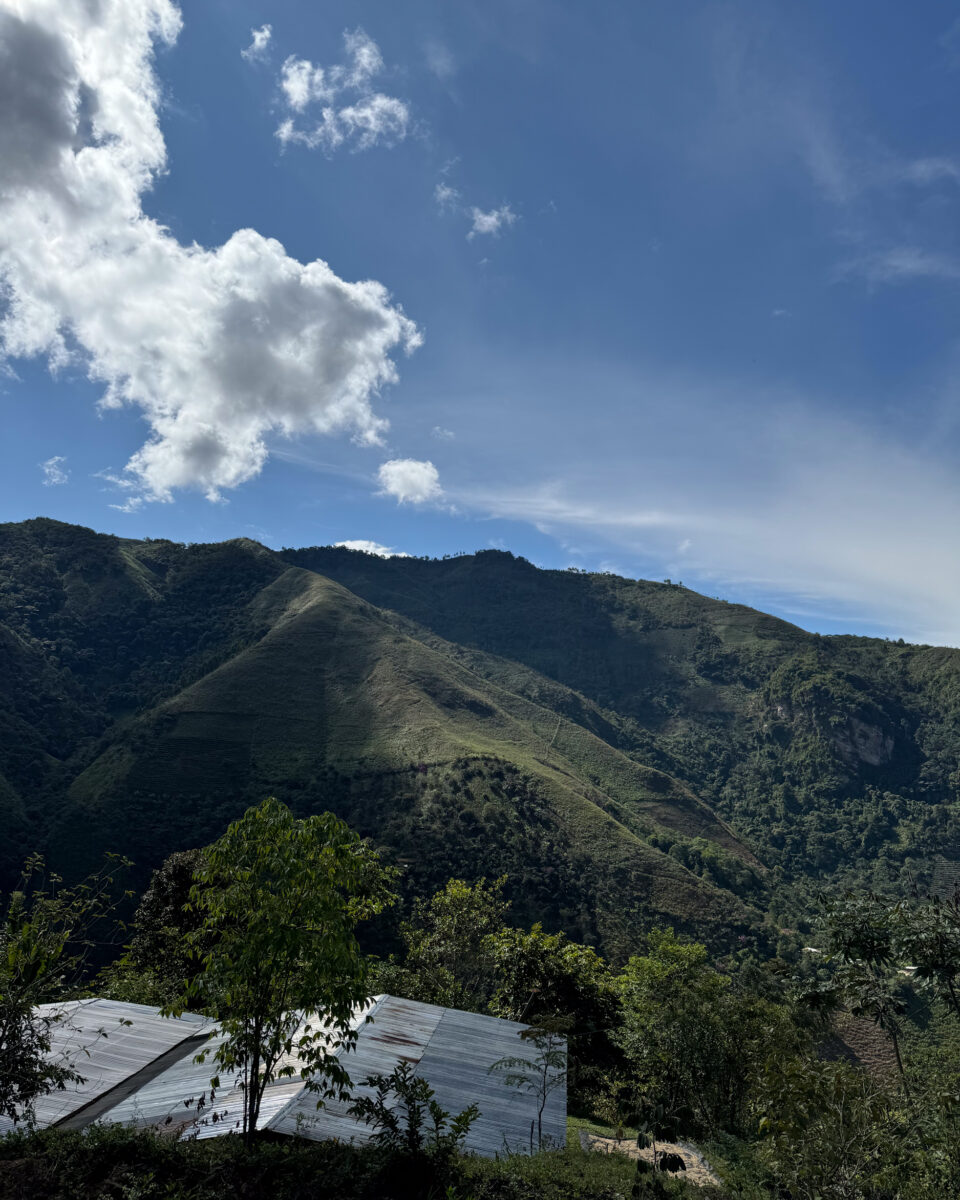
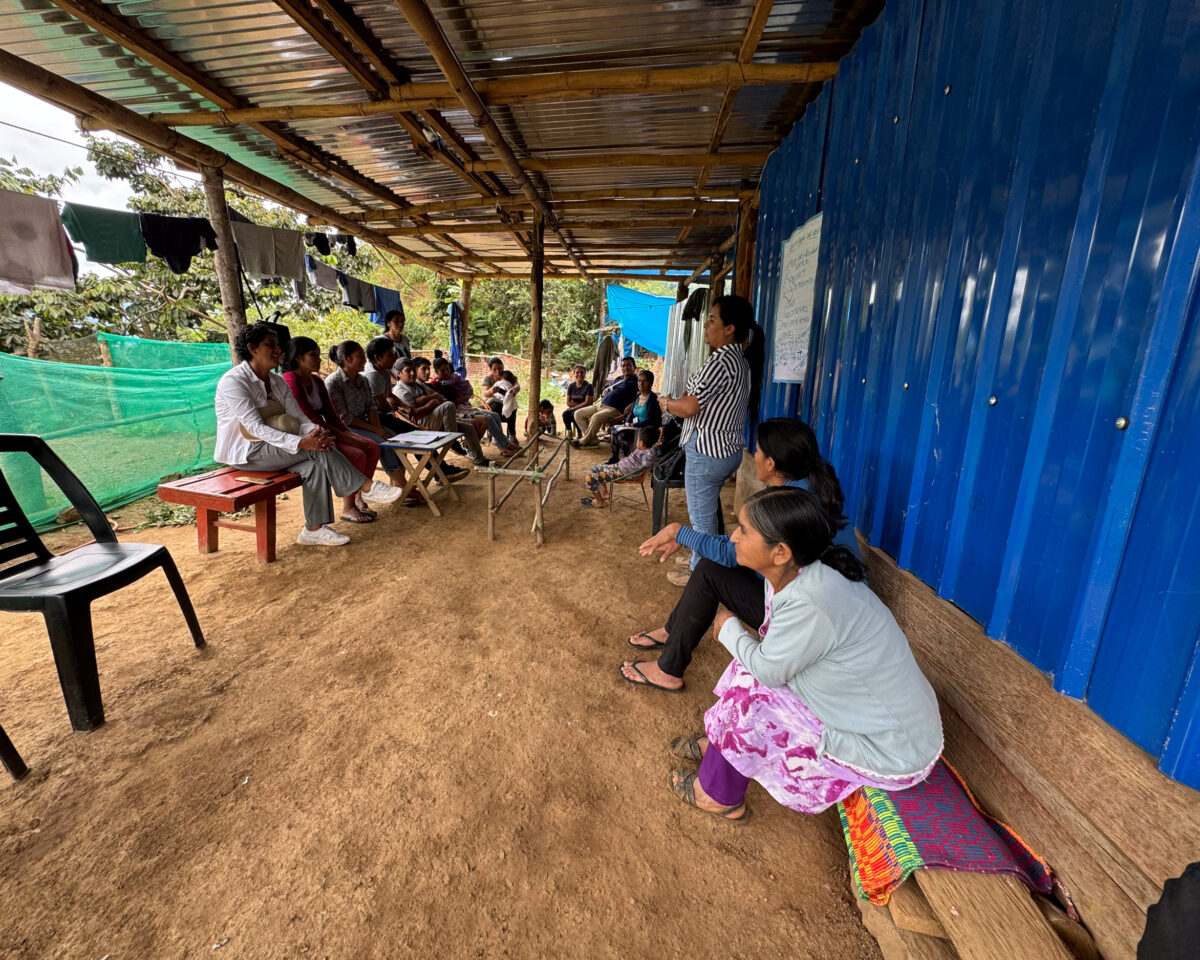
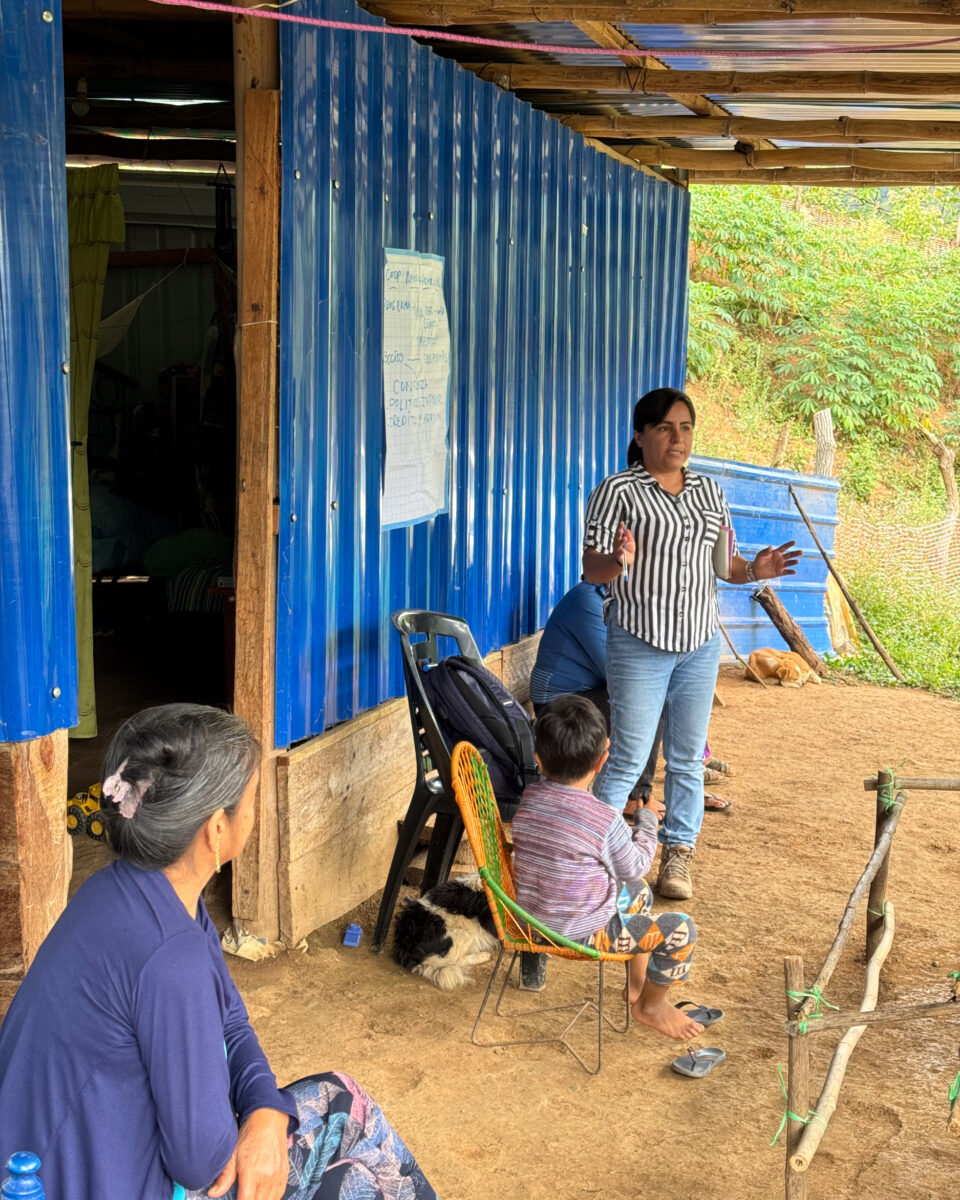
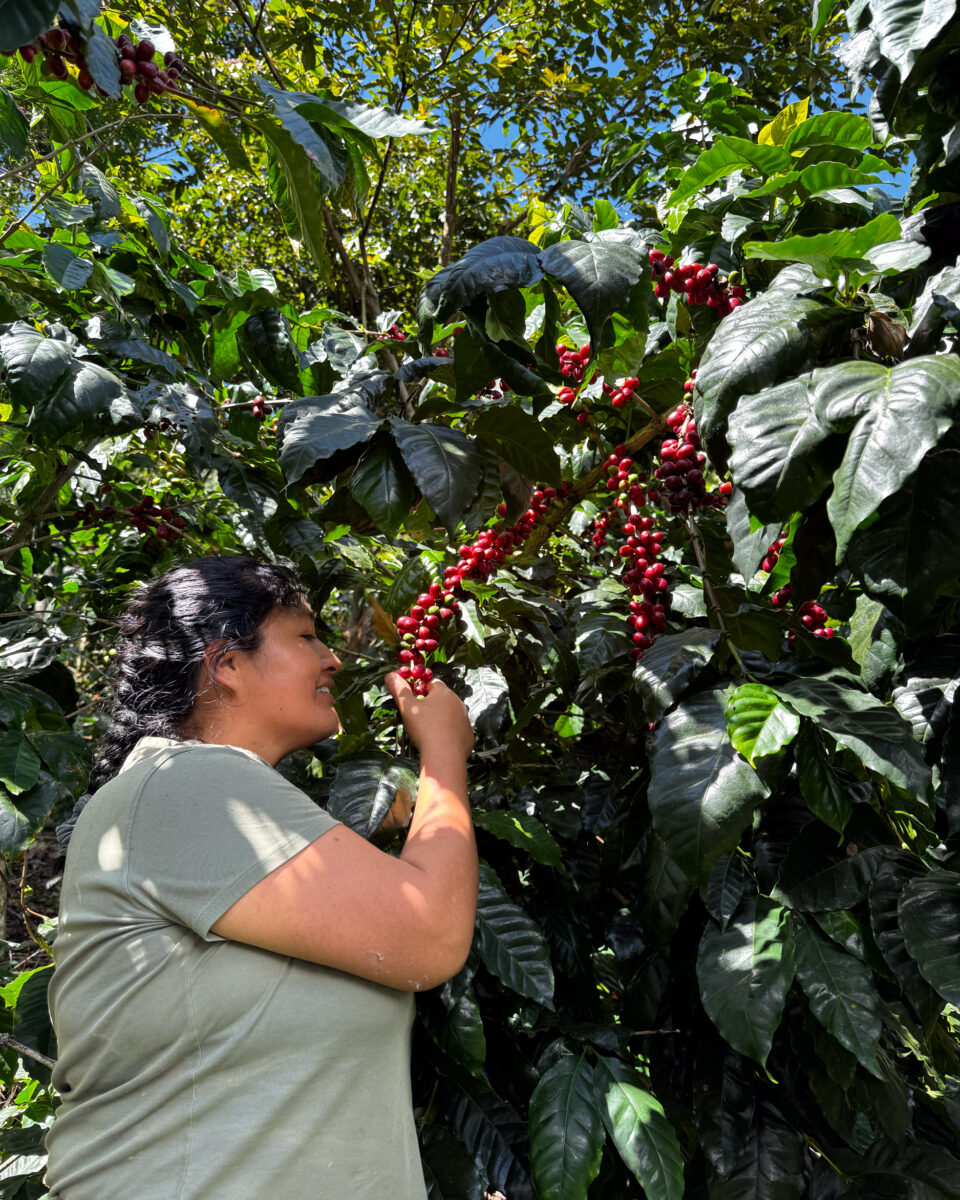
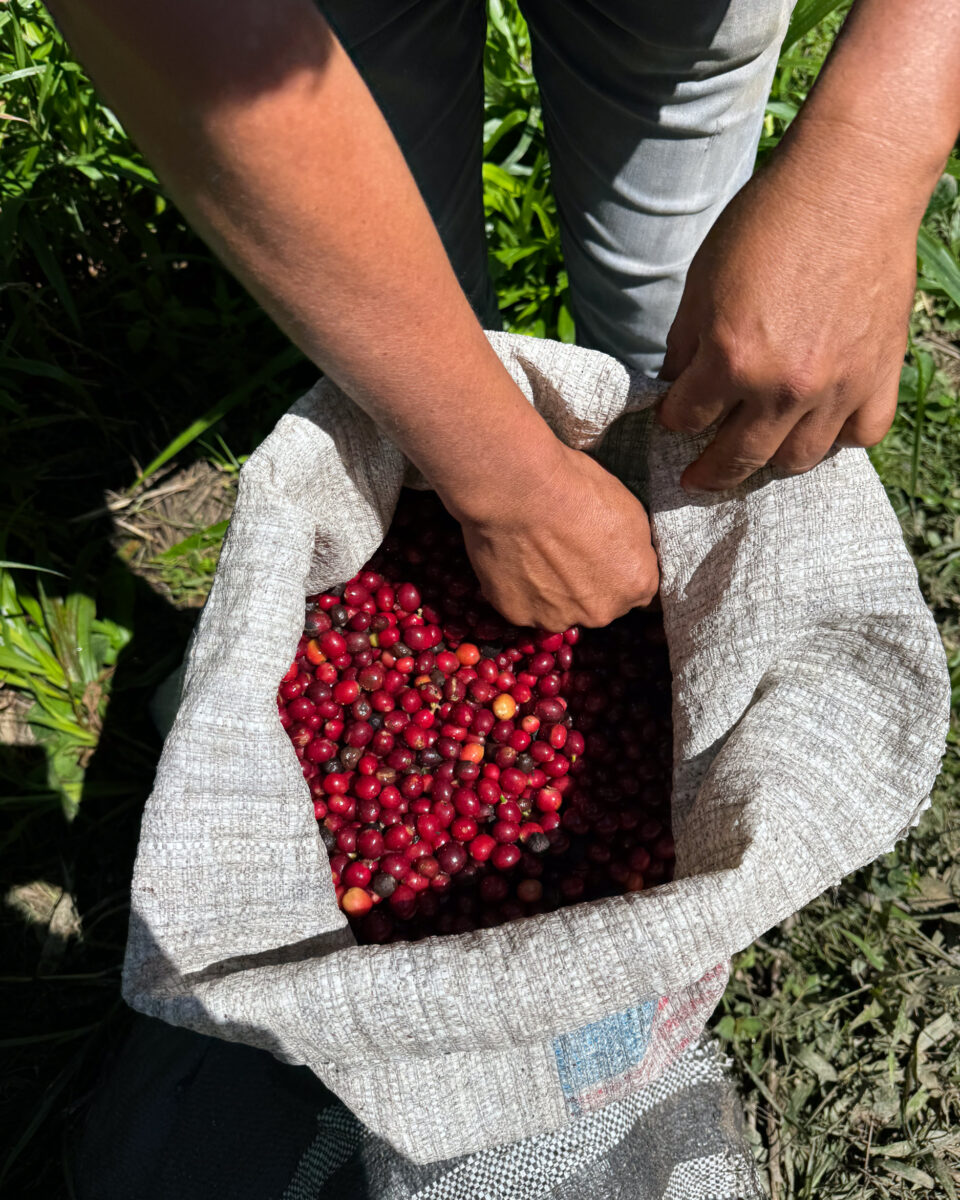
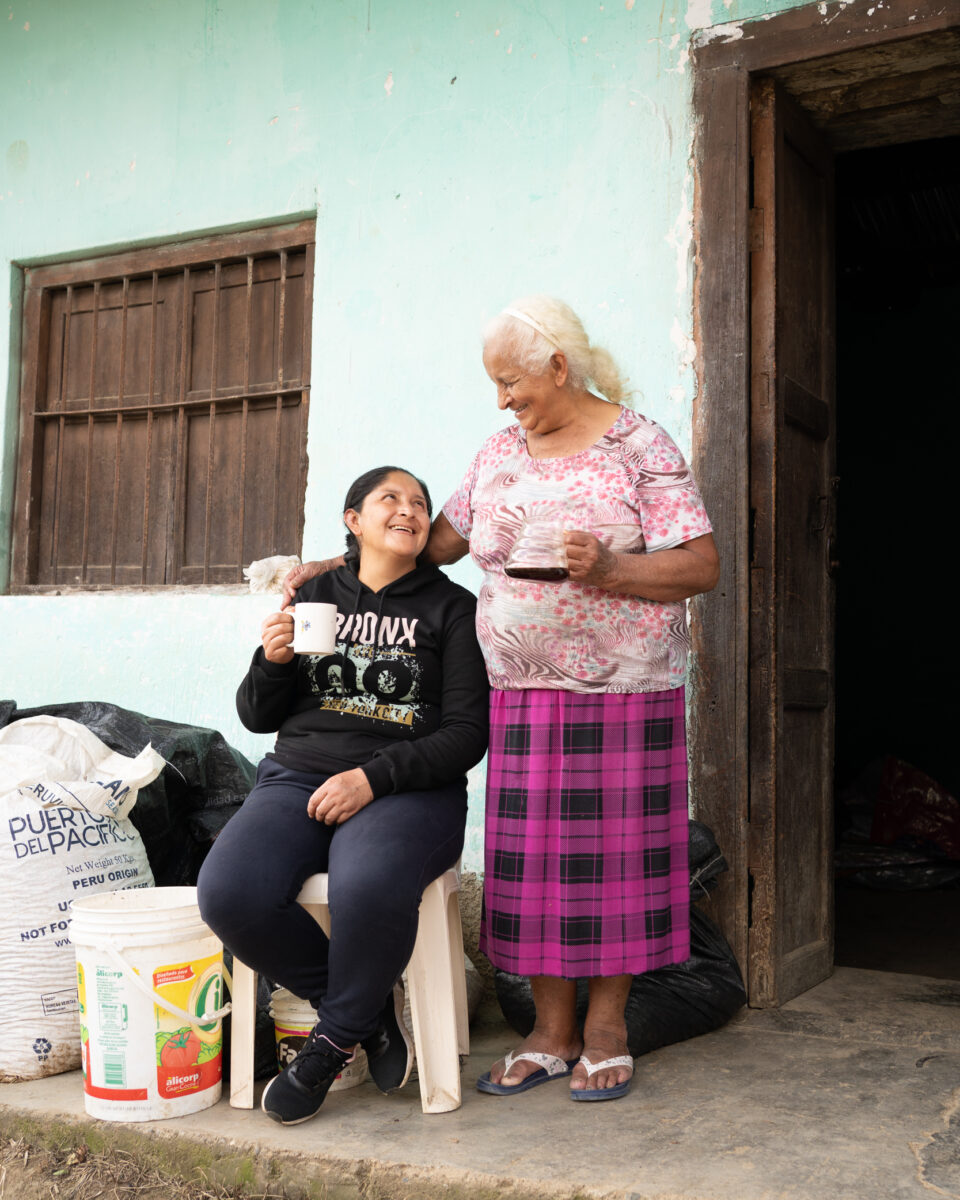
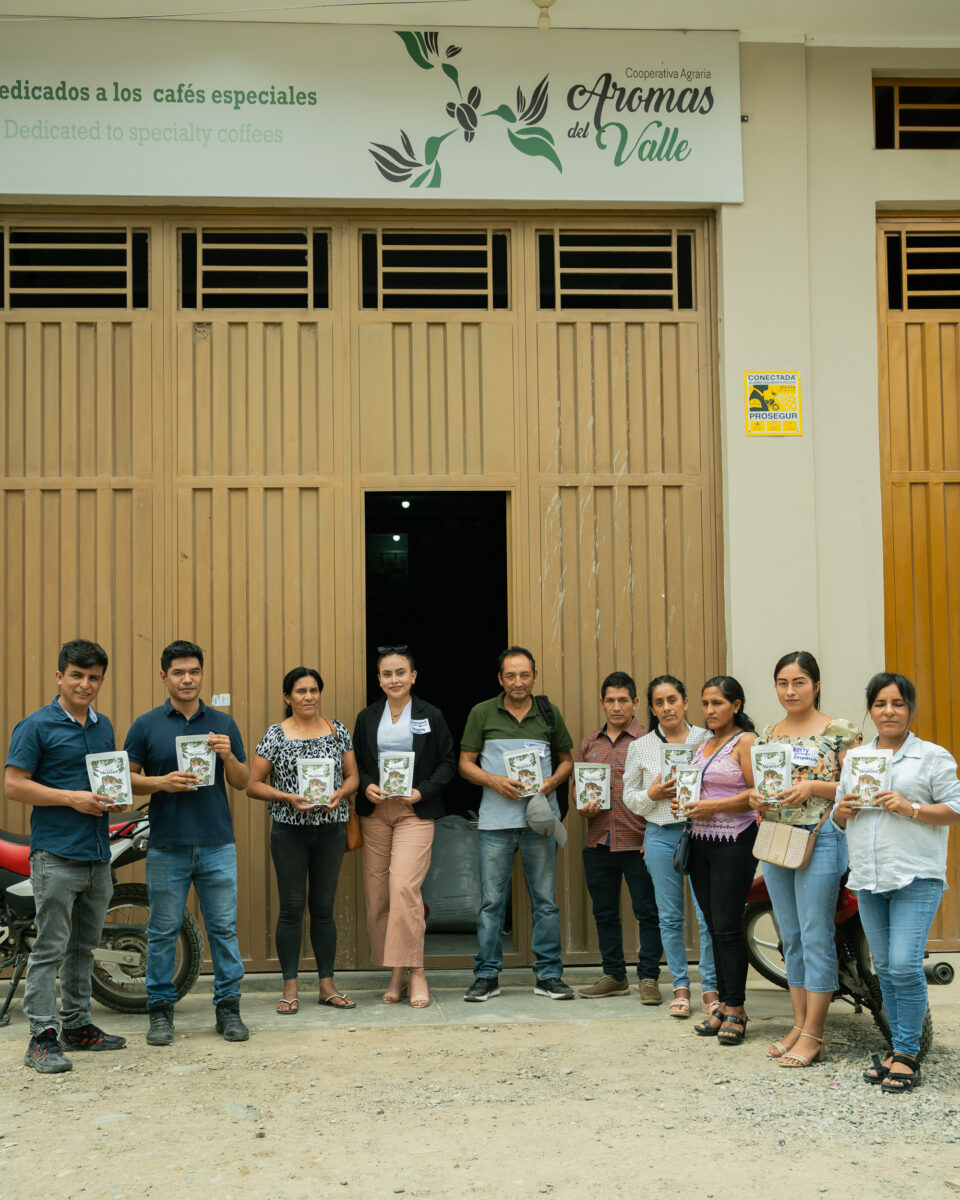
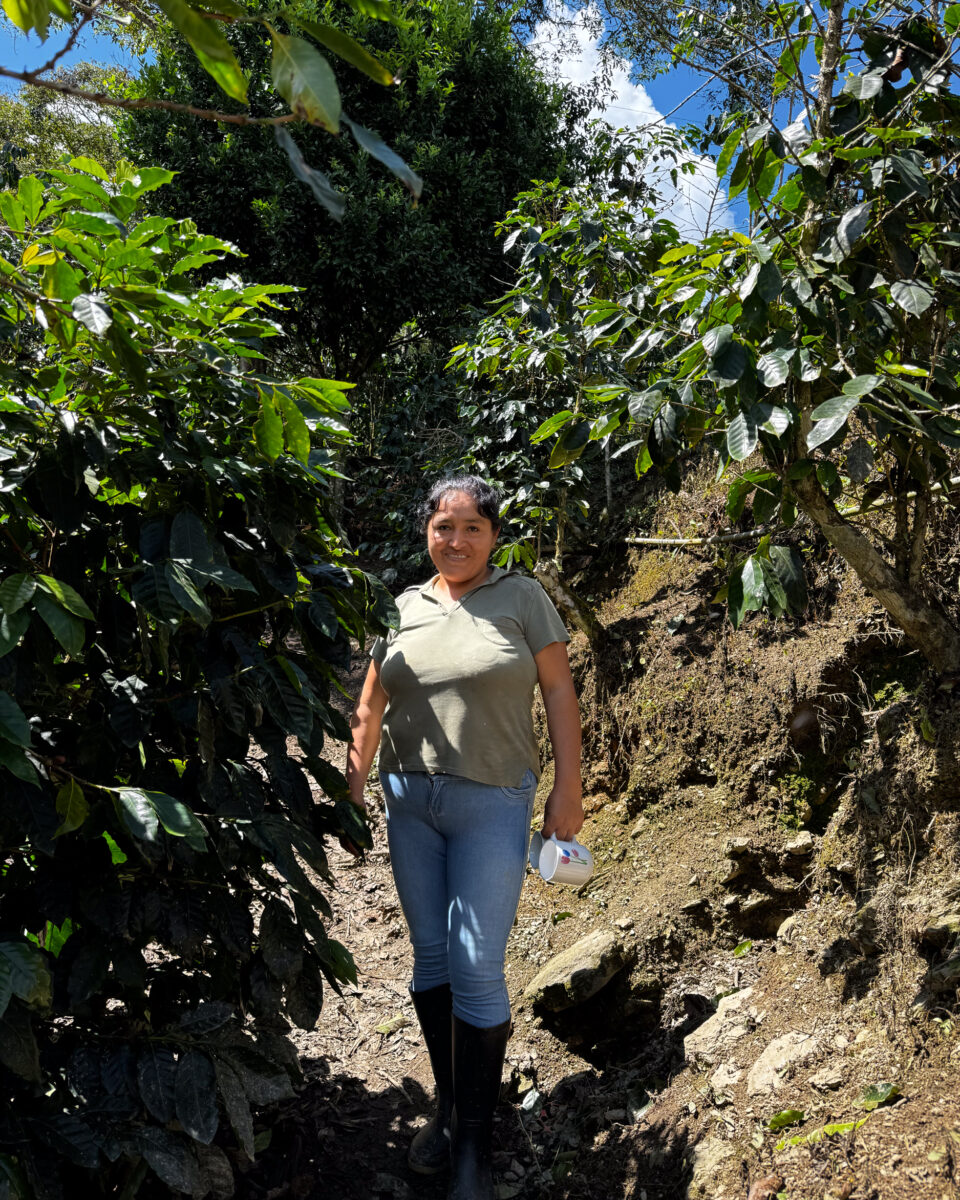
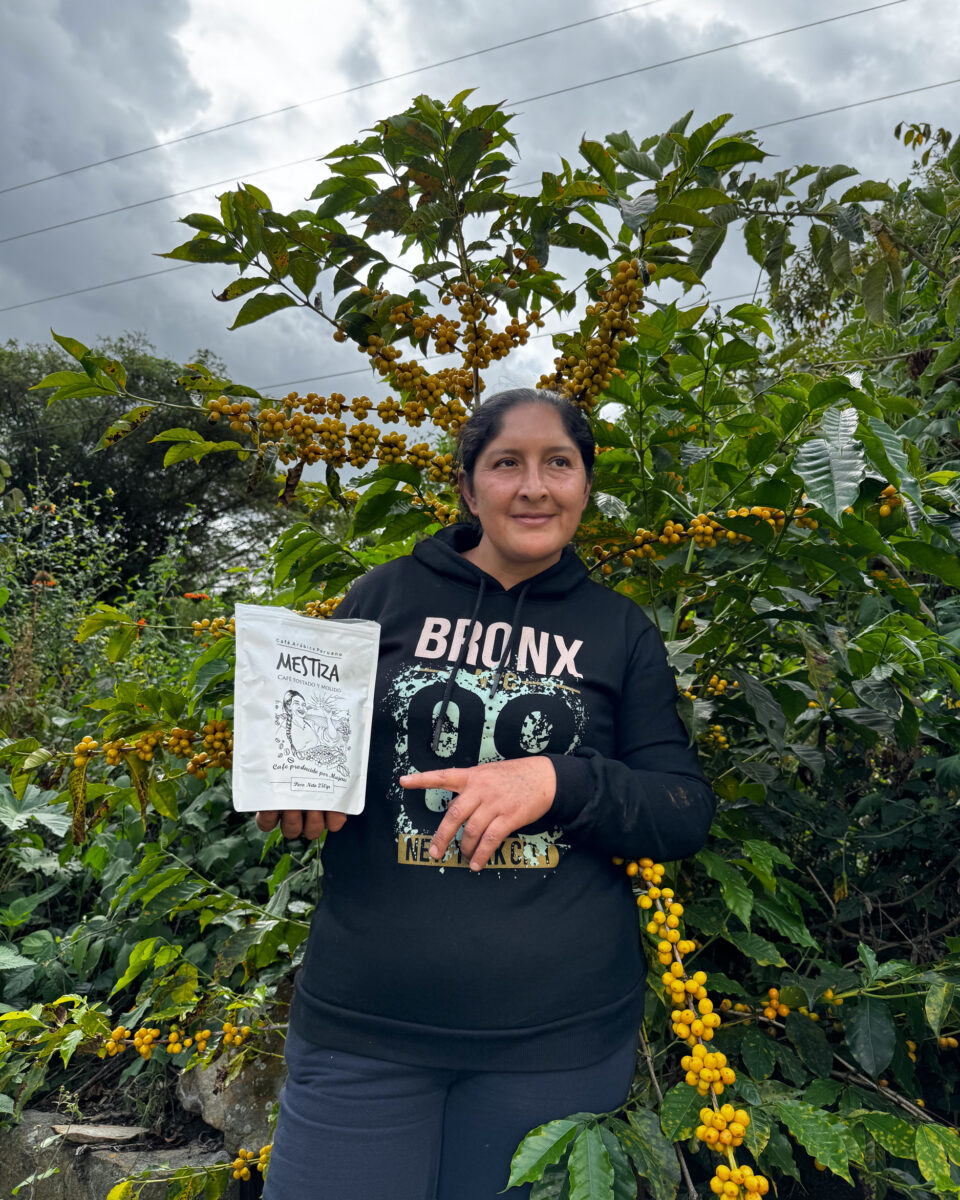
Today, MESTIZA represents thirty women producers in the mountains of Progreso.
Tomorrow, it aims to become a model for hundreds more.
As Aromas del Valle expands the project across its wider producer network throughout Jaén, San Ignacio, Cutervo, and Utcubamba, the vision remains unchanged: to prove that specialty coffee can become a lasting catalyst for opportunity. By combining exceptional coffee quality, environmental innovation, technical excellence, and women’s leadership into one integrated model, Mestiza is helping cultivate the next generation of coffee communities across northern Peru.