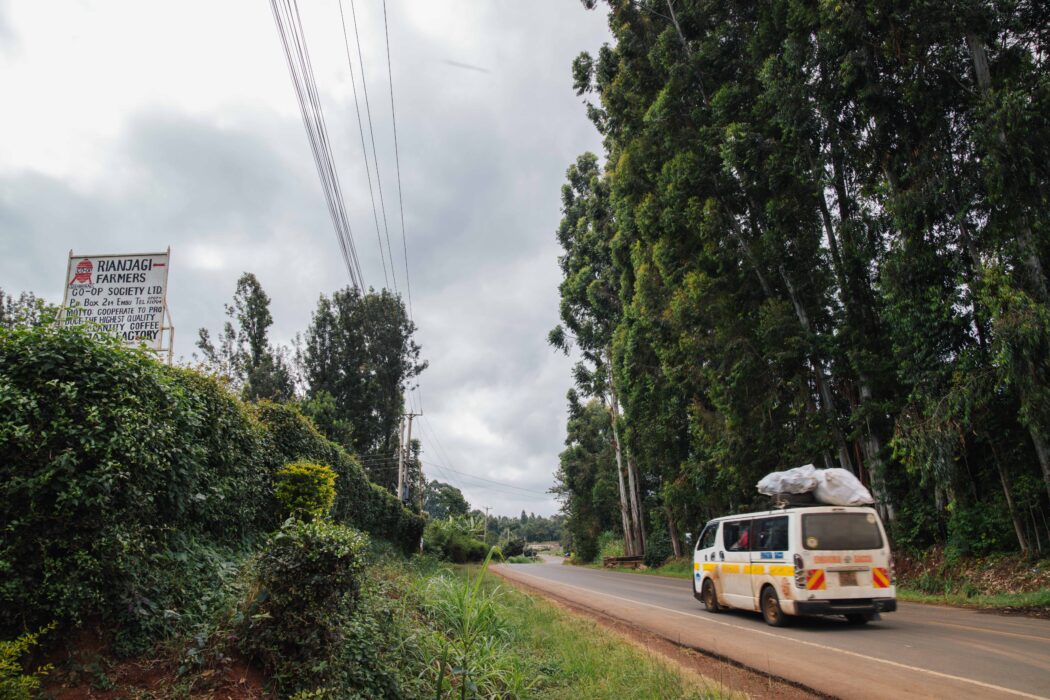
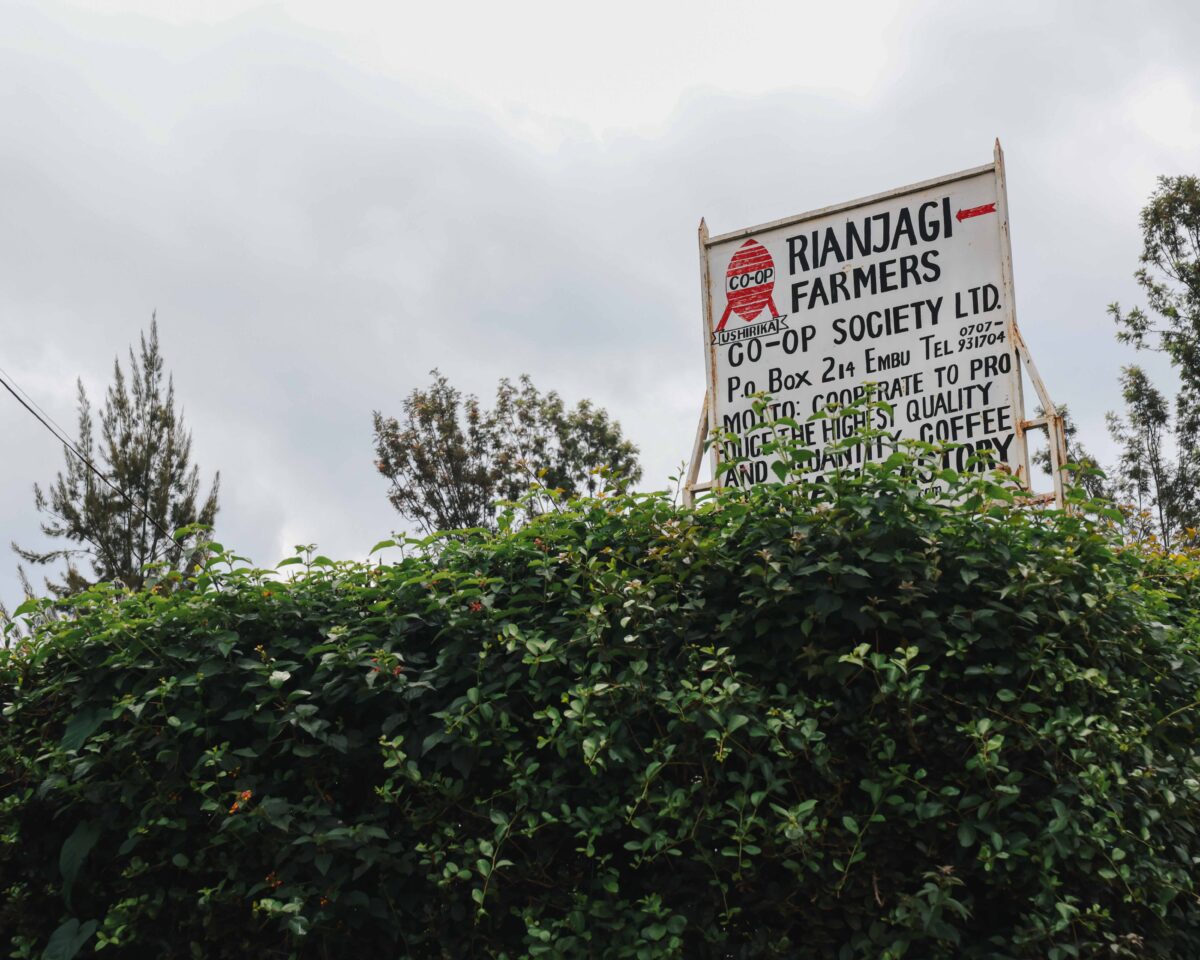
Located in Ngandori East, Mutunduri, Embu County, Rianjagi Coffee Factory sits on the eastern slopes of Mount Kenya. Established in 1976, the washing station is part of the Rianjagi Cooperative Society, which brings together more than 2,500 smallholder farmers. While neighbouring Kirinyaga and Nyeri are often considered Kenya’s best-known coffee regions, Embu forms an equally important part of the country’s celebrated Mount Kenya coffee belt. The region shares the same rich volcanic soils and high elevations but benefits from the unique climate of Mount Kenya’s eastern slopes, producing coffees with exceptional sweetness, complexity, and balance.
Women make up the majority of the cooperative’s membership, highlighting the vital role they play in coffee production and household livelihoods throughout the region. Their knowledge, care, and dedication are central to maintaining the high quality for which Rianjagi is known.
Farmers typically cultivate small plots of around 0.2 hectares, where coffee serves as the primary cash crop alongside tea. To strengthen household resilience, they diversify their farms with bananas, beans, potatoes, avocados, macadamia, and mango trees. These mixed farming systems provide food security, additional sources of income, and natural shade for the coffee trees, while helping preserve biodiversity across the landscape.
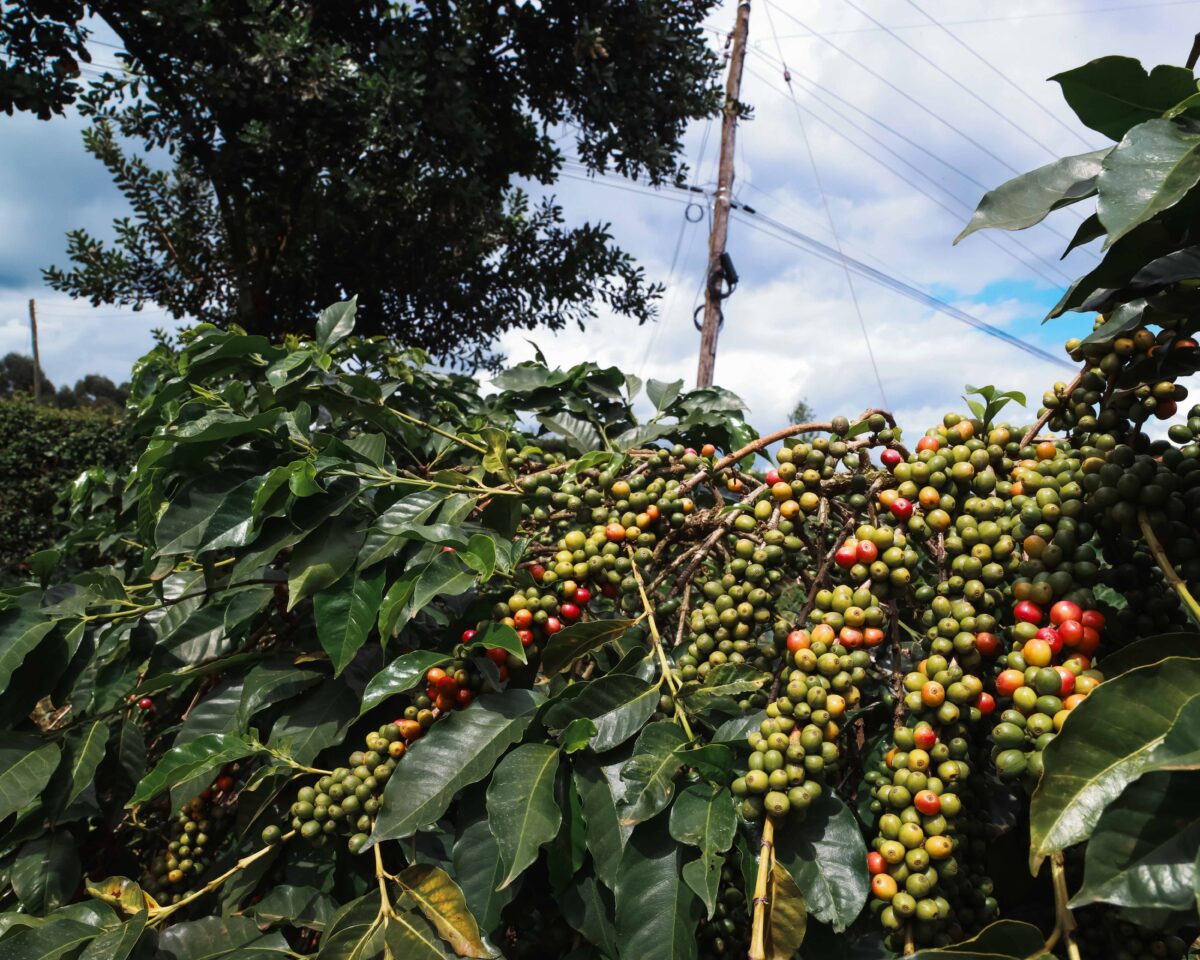
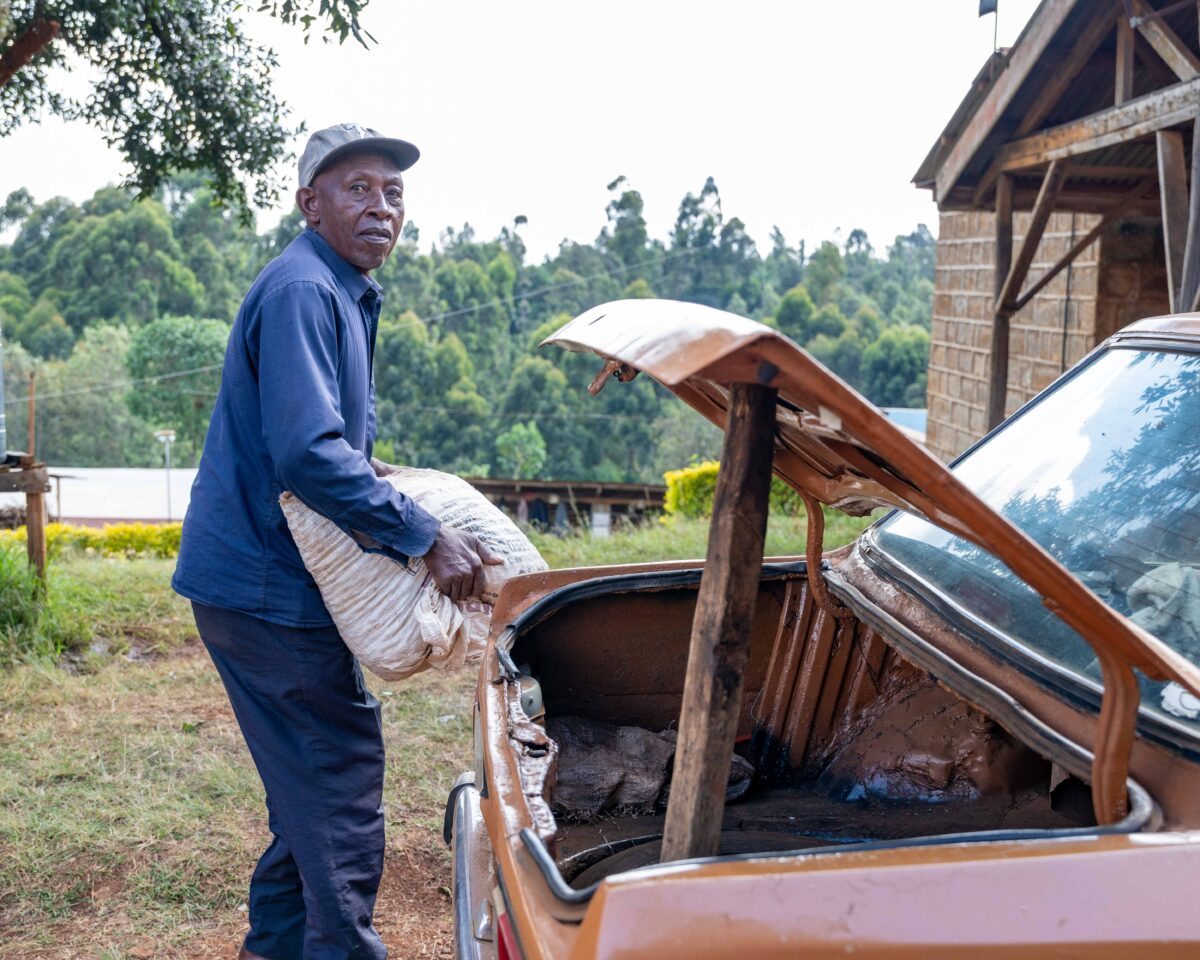
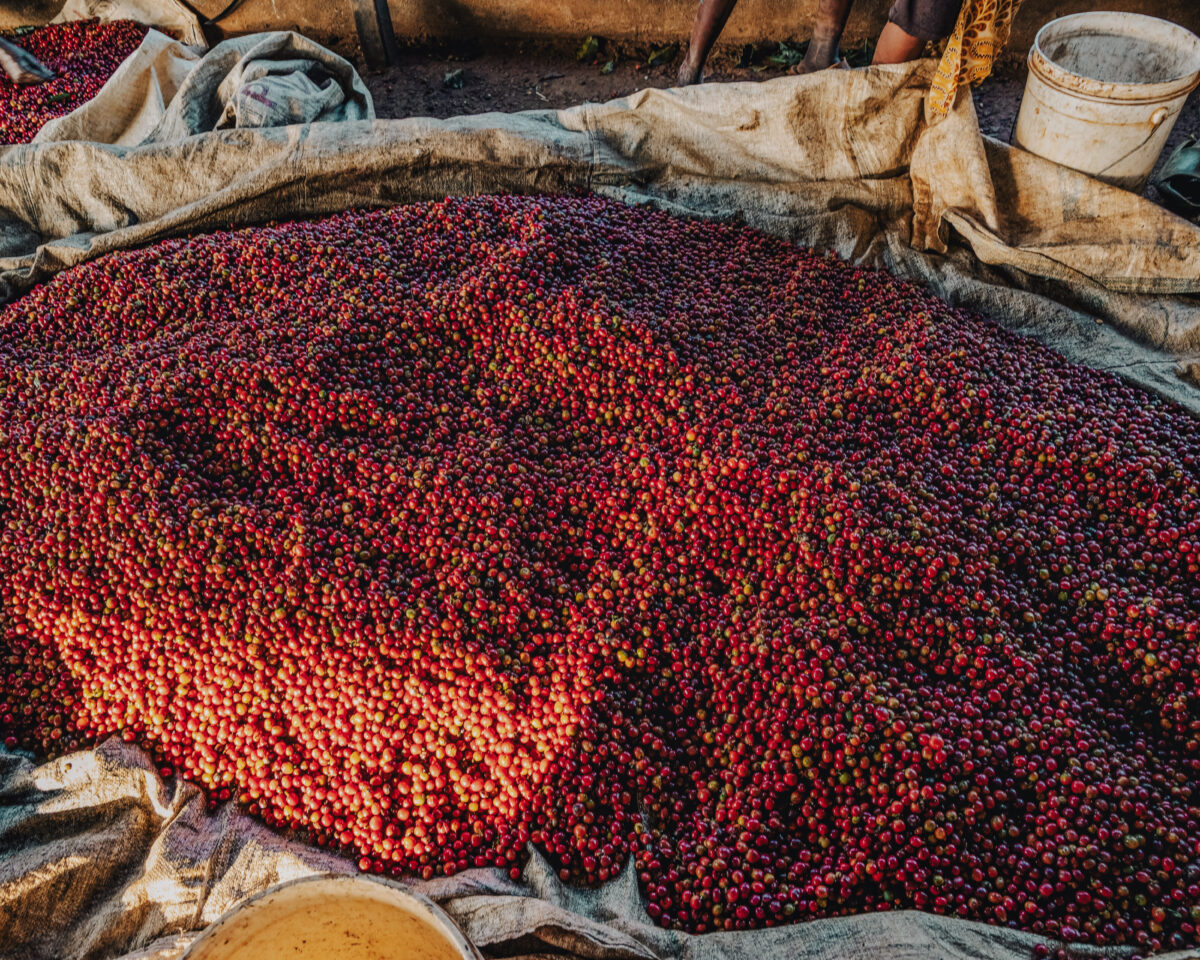
The cooperative cultivates the renowned SL28 and SL34 varieties, complemented by small parts of the newer Batian variety. Originally developed in the 1930s, SL28 remains one of Kenya’s most celebrated coffee varieties, producing the vibrant acidity and juicy fruit character for which Kenyan coffees are known. Although highly prized for its quality, it requires careful management due to its susceptibility to Coffee Berry Disease and leaf rust, making skilled farming practices essential.
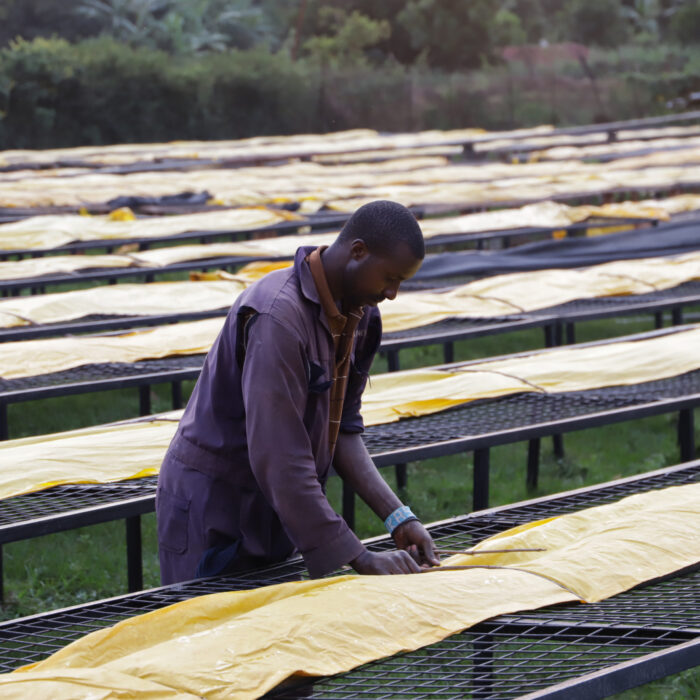
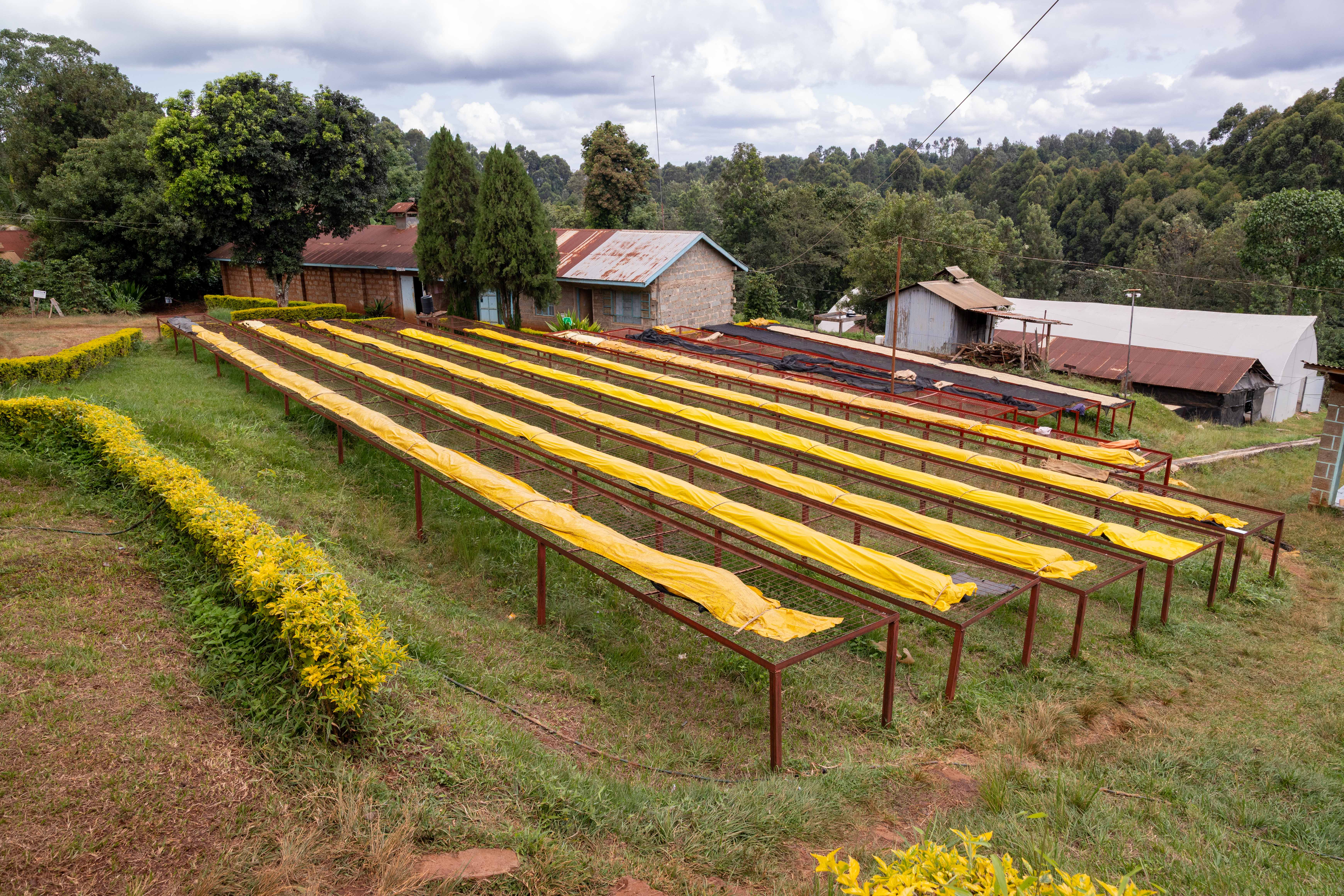
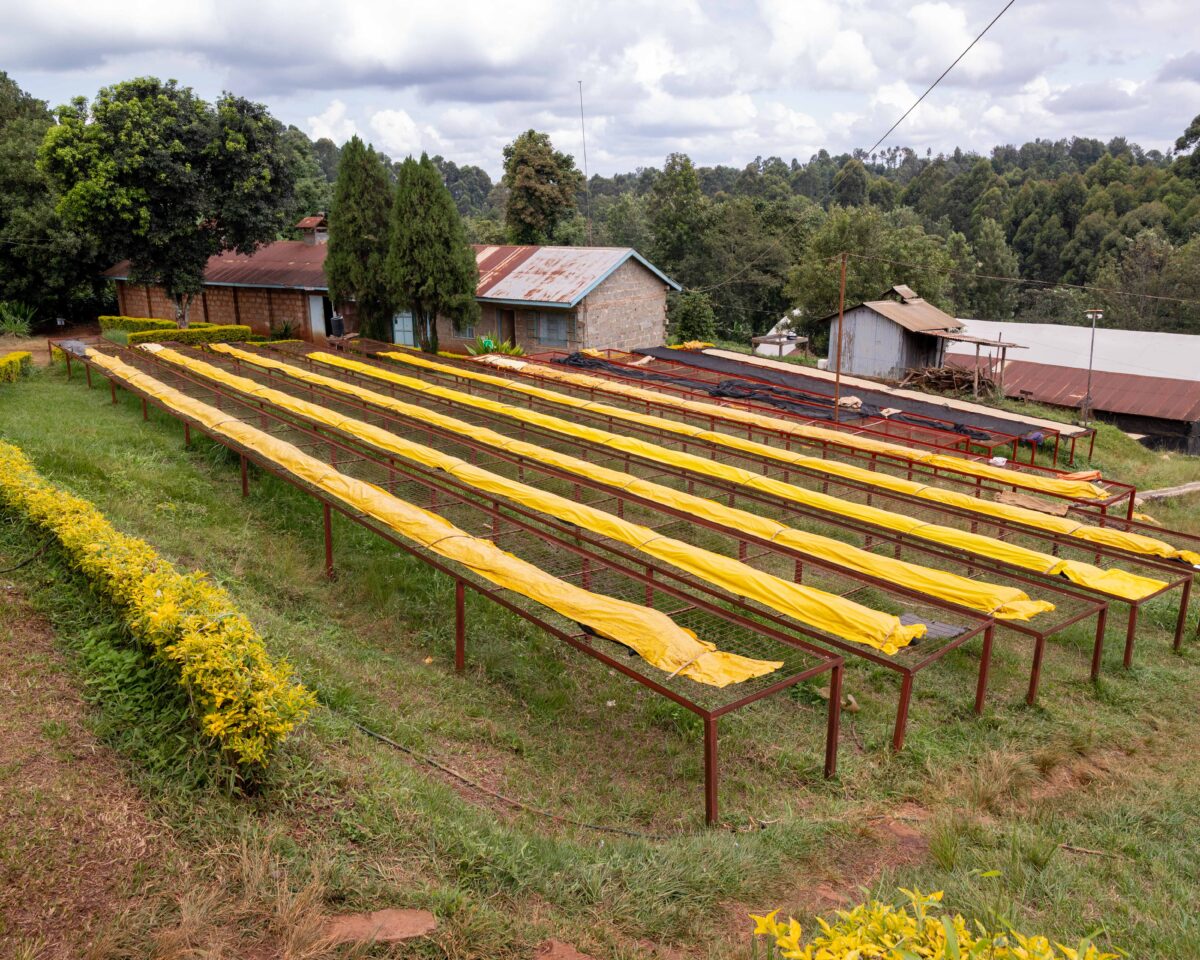
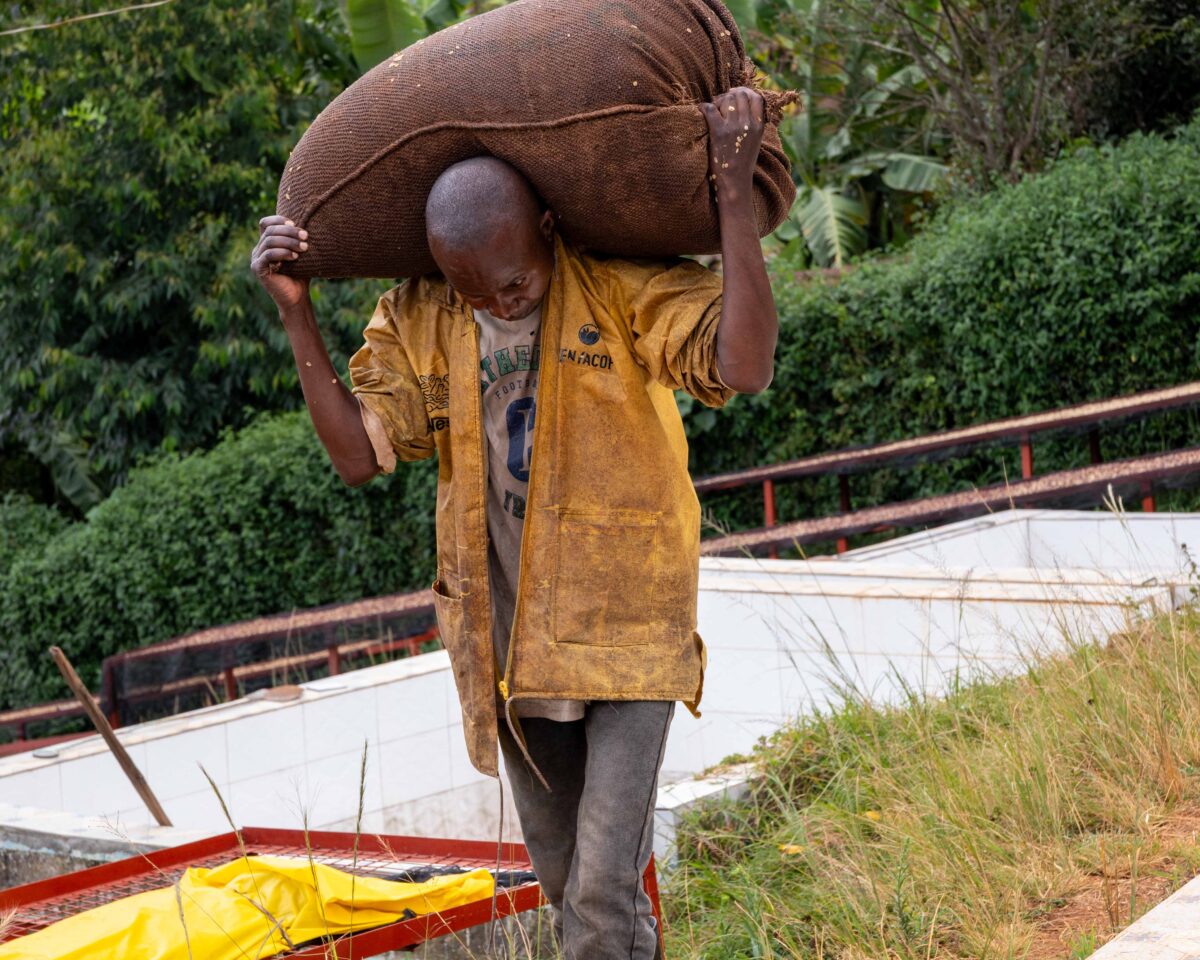
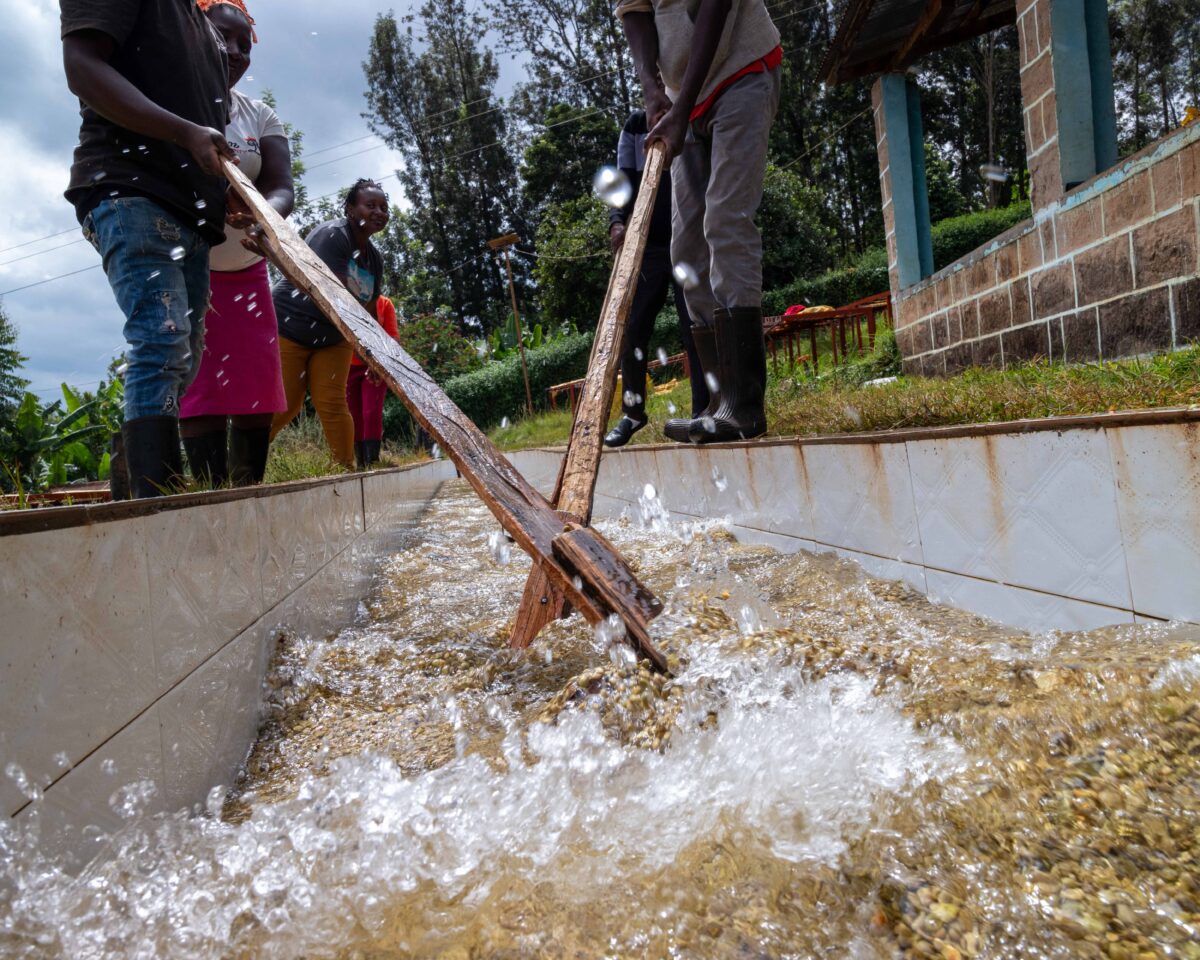
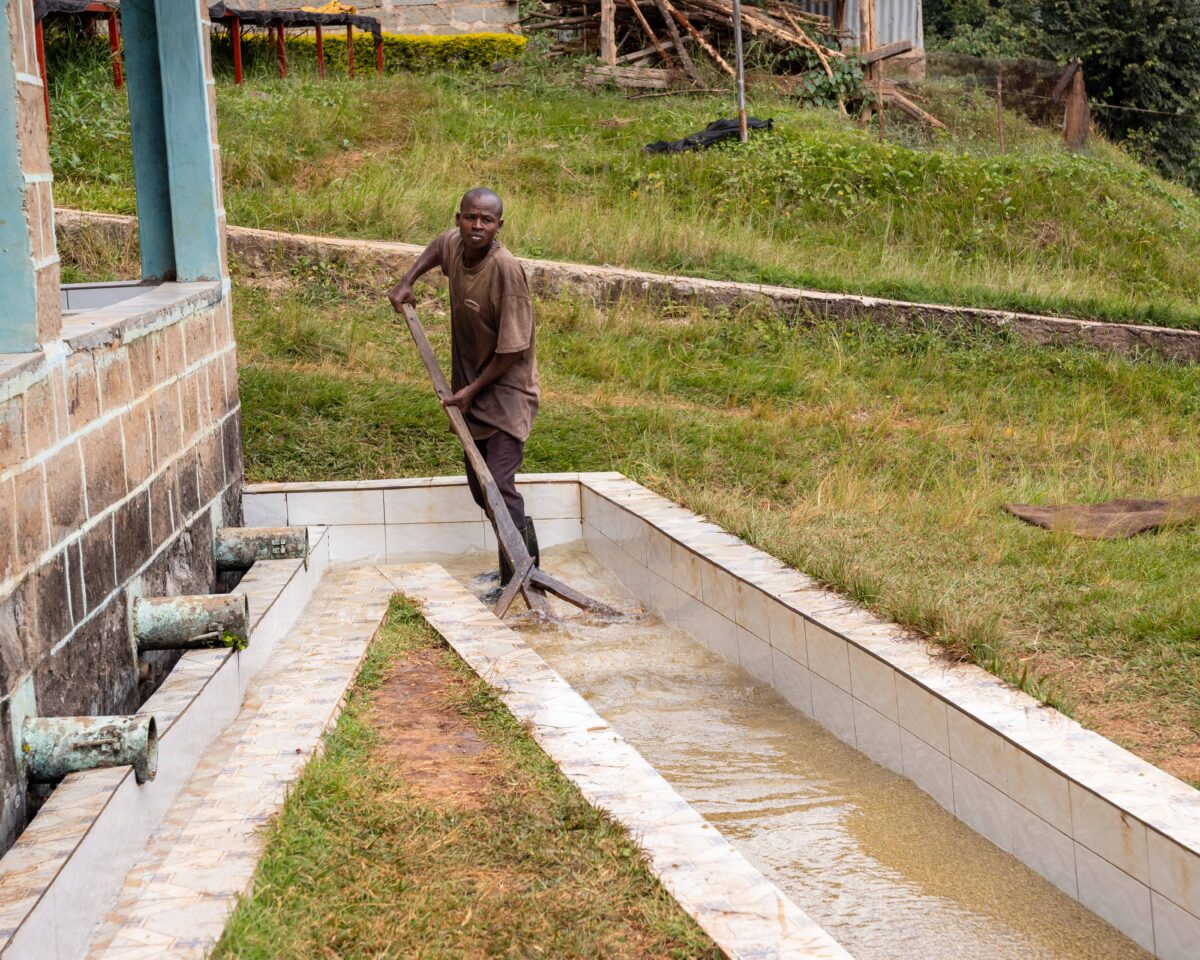
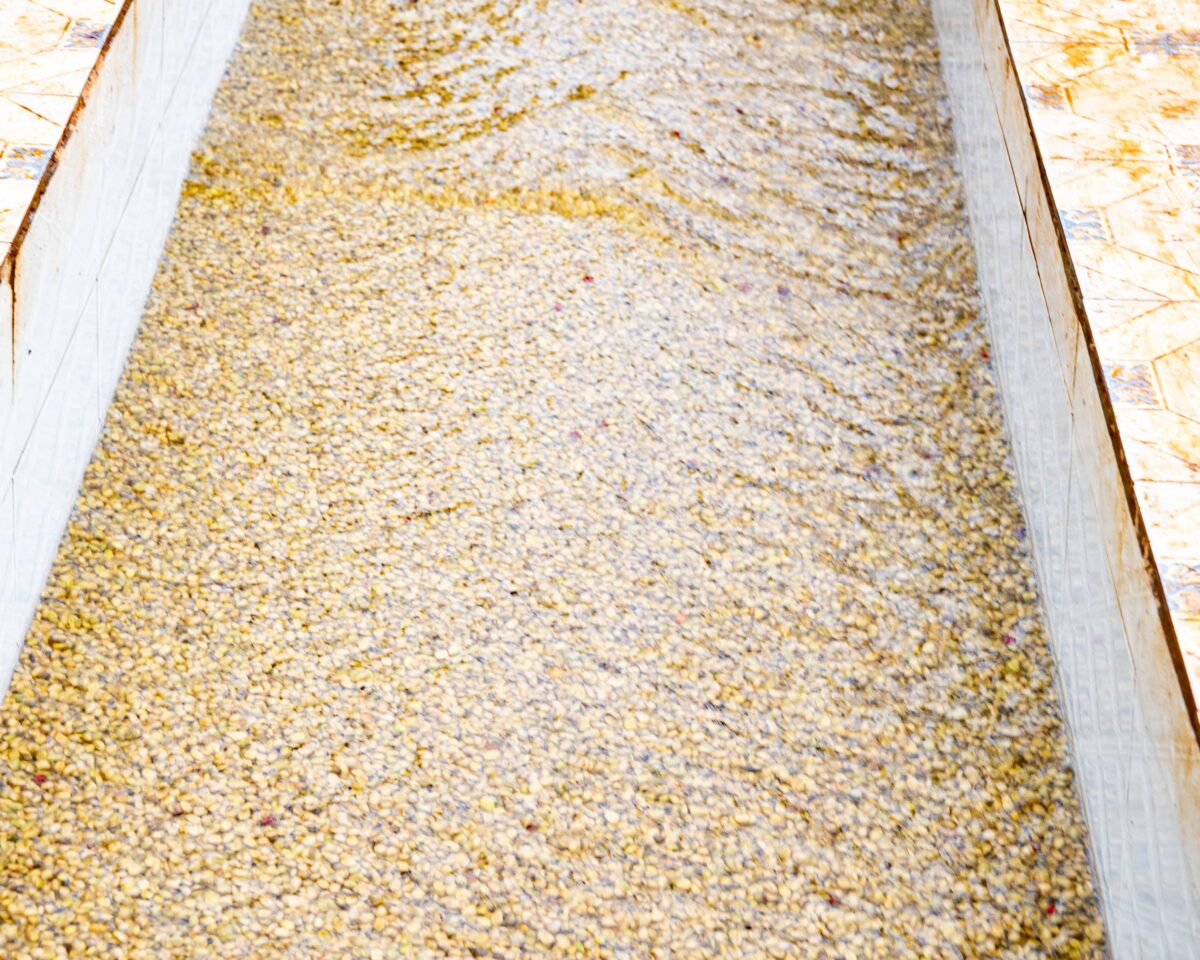
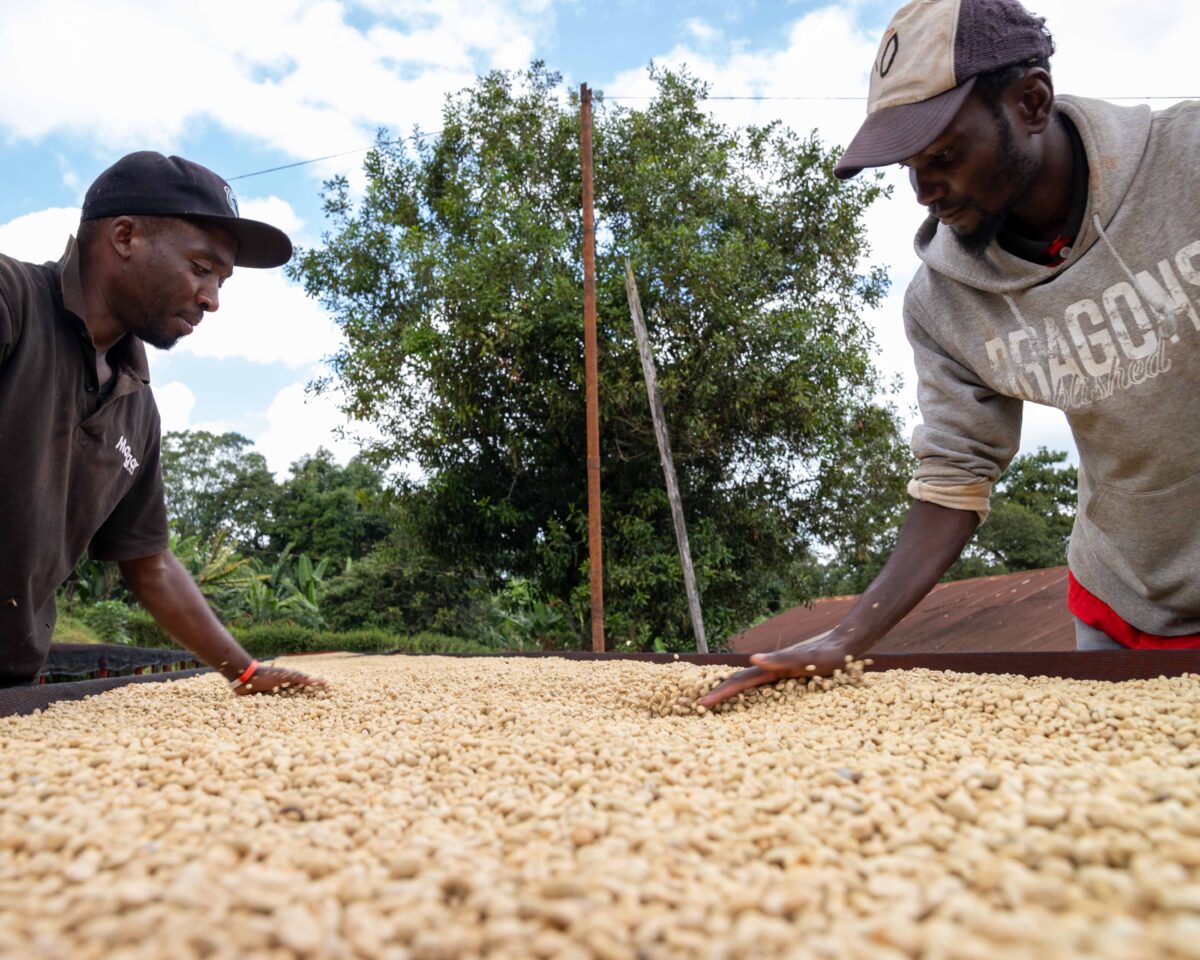
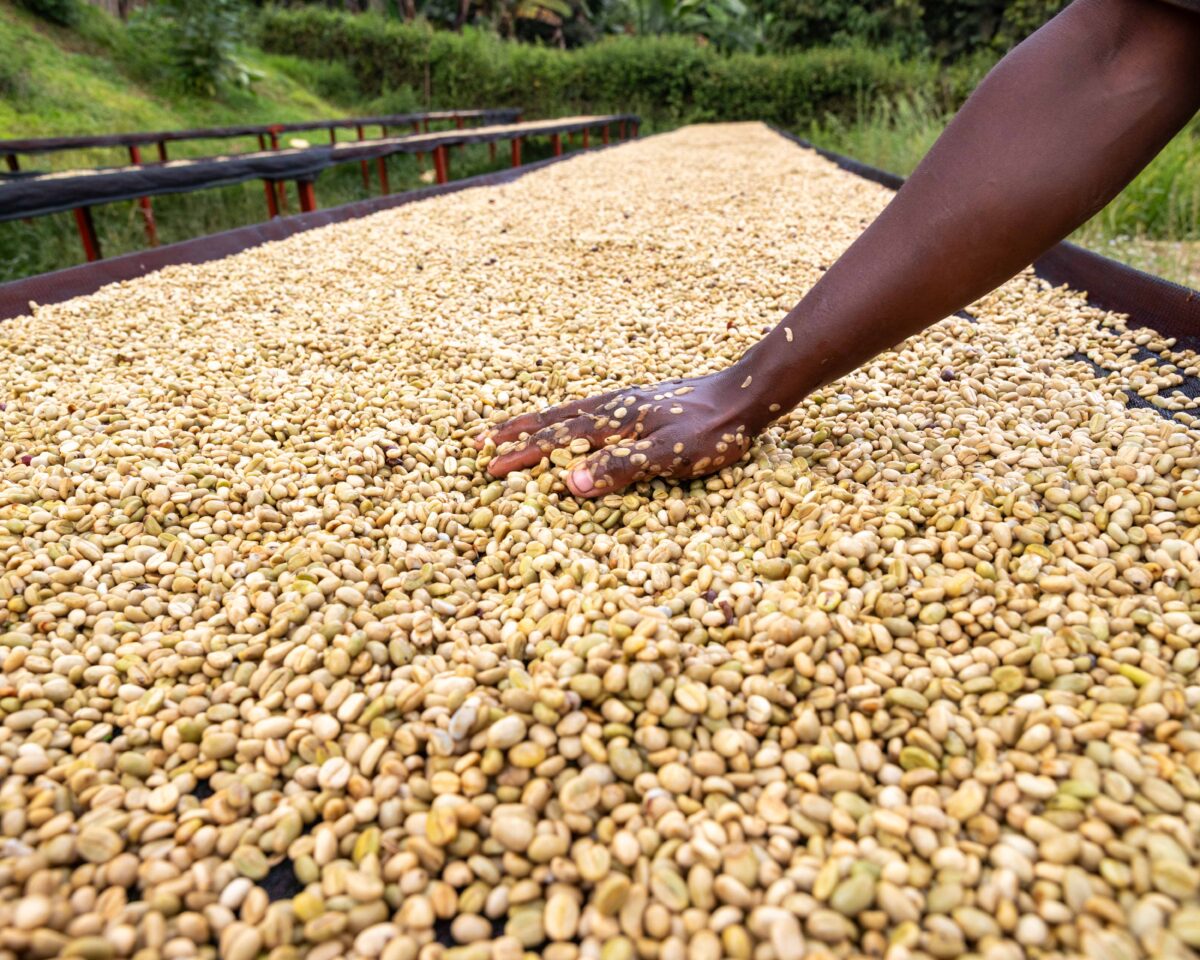
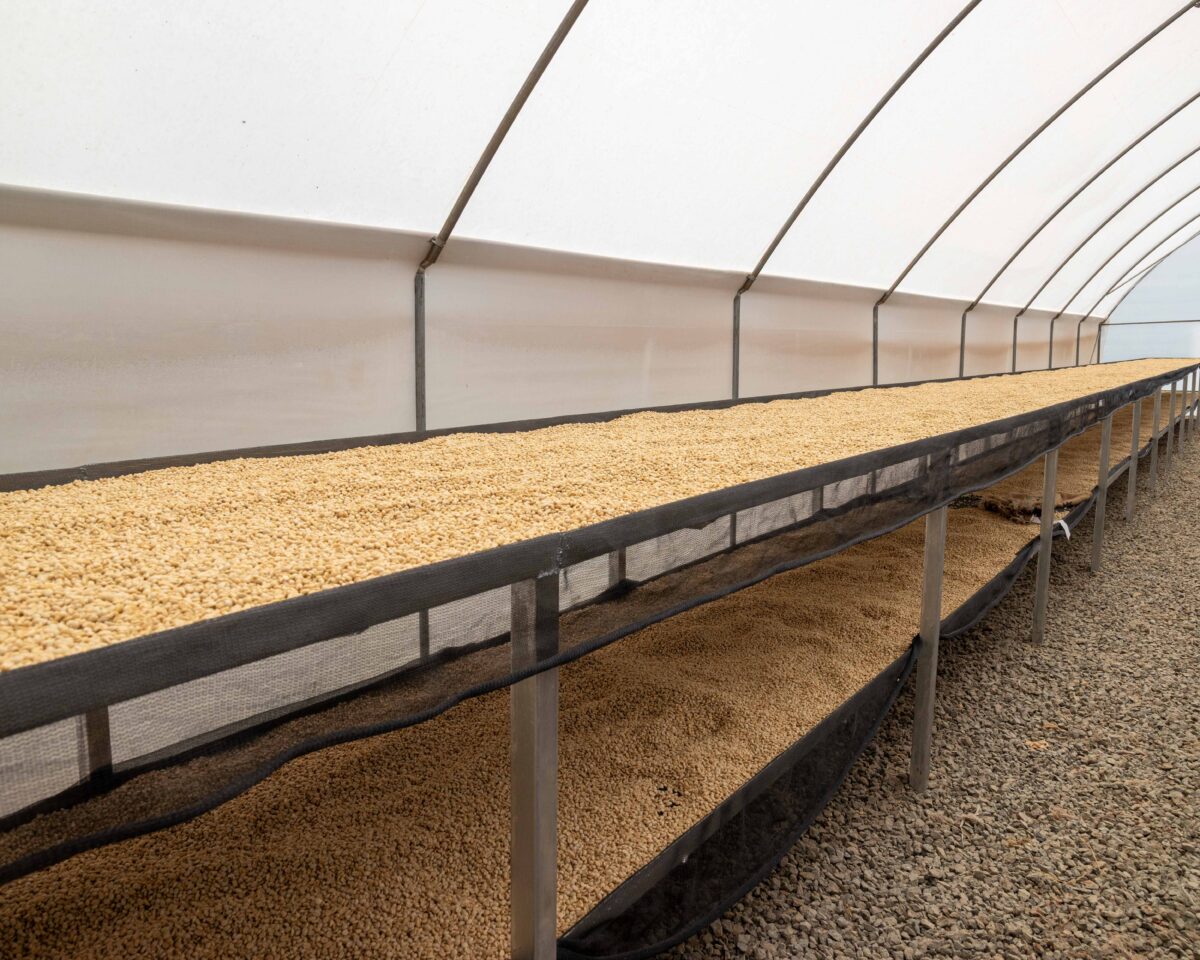
During harvest, farmers selectively handpick ripe cherries and deliver them to the washing station within hours of picking. After pulping and a 24-hour fermentation, the coffee is washed and dried slowly on raised African beds beneath shade nets. Once it reaches the ideal moisture content, workers store and regularly turn the parchment before sending it to the dry mill for grading. To further improve sustainability, the cooperative has invested in a modern eco-pulper that significantly reduces water consumption while maintaining the high quality of Kenya’s washed coffees.
Rianjagi produces coffees with remarkable clarity and a vibrant, layered cup profile that is characteristic of Kenya’s finest washed Arabicas. Expect lively citrus complemented by juicy berry notes. Delicate floral aromas and subtle cocoa add depth and complexity. Bright, wine-like acidity is balanced by refined sweetness, creating a clean, elegant cup with a long, lingering finish.