Peru is one of the world’s most important Arabica origins and the leading exporter of organic coffee. Coffee is grown across the country from the South to North. Trabocca focuses on the northern departments of Cajamarca and Amazonas.
These regions combine high-altitude growing conditions, rich biodiversity, strong smallholder communities and a growing specialty coffee infrastructure. Together, they offer everything from consistent certified coffees to distinctive, award-winning microlots.
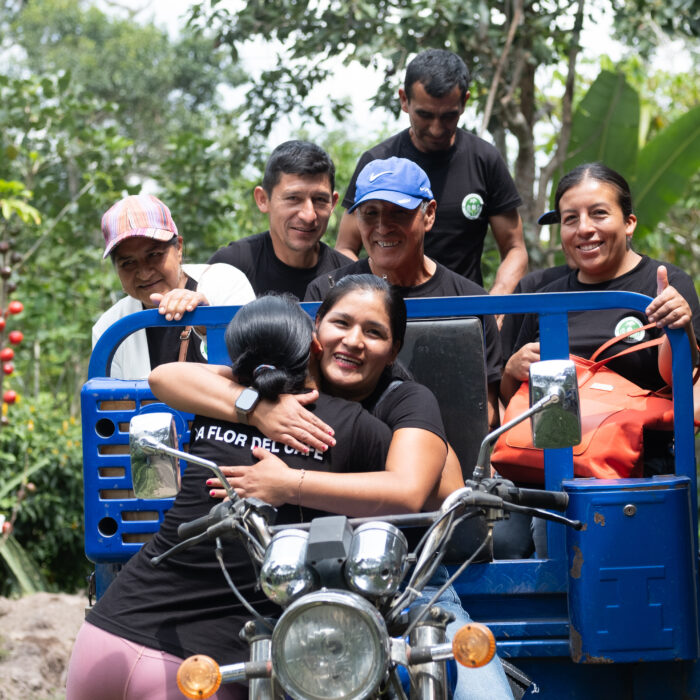
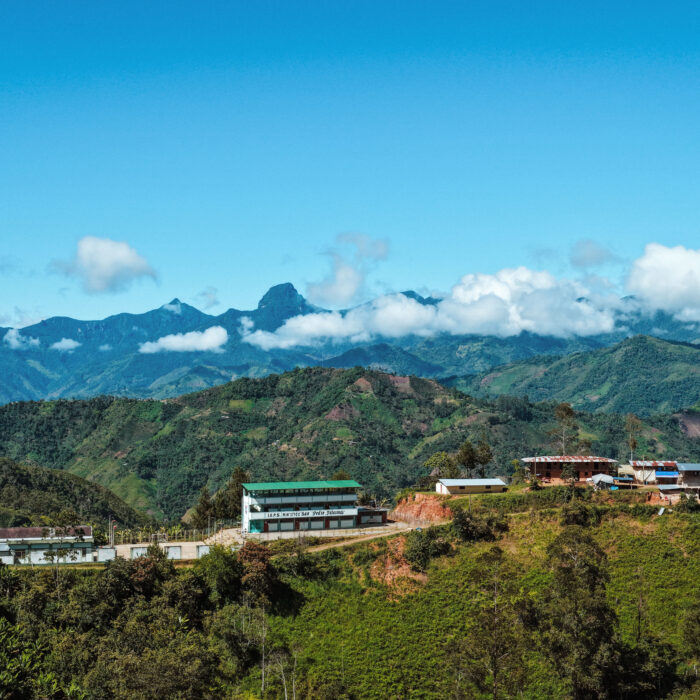
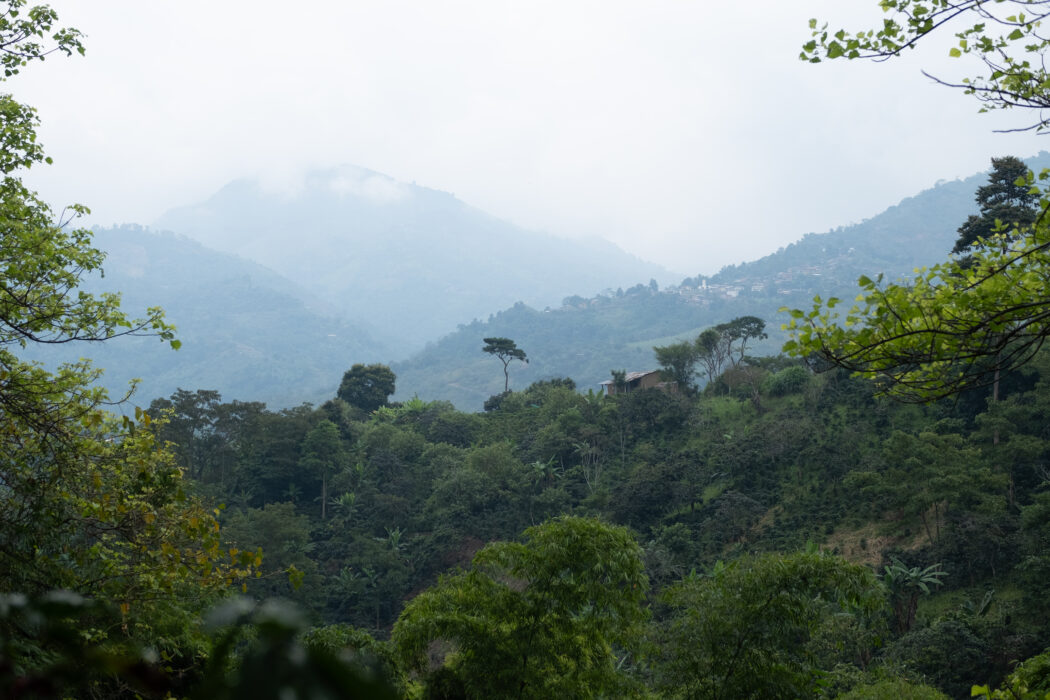
Remote, biodiverse and deeply rooted in tradition, Amazonas is shaped by isolated smallholder communities and a strong culture of cooperation. Its cloud-forest landscapes produce sweet, clean coffees while new infrastructure is opening the region to the higher end specialty market.
Cajamarca is northern Peru’s innovation hub, where established coffee traditions meet research, improved infrastructure and new varieties. Its diverse microclimates produce everything from consistent certified coffees to expressive, award-winning microlots.
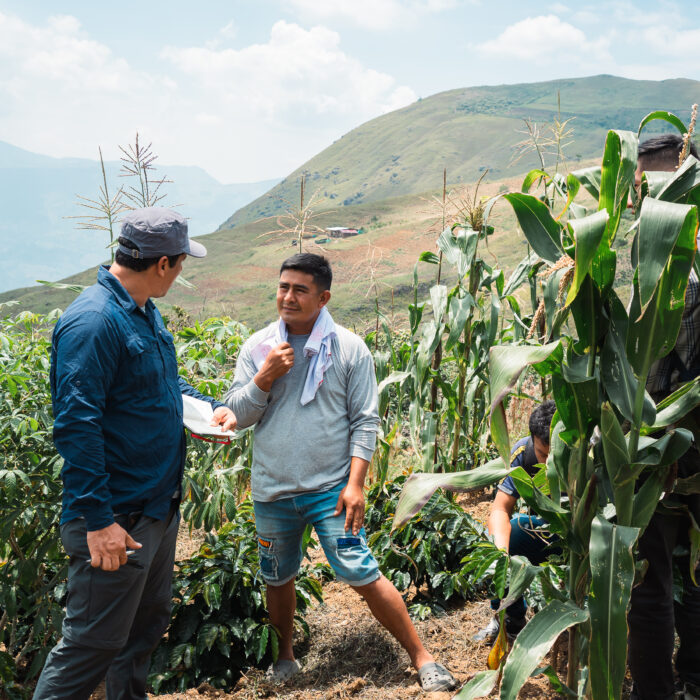
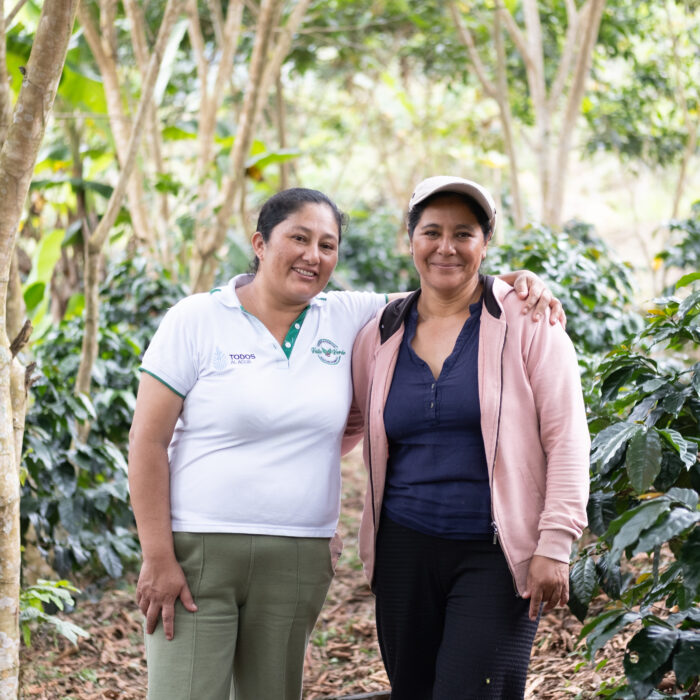
Smallholder families are at the heart of Peruvian coffee. Across isolated communities in and around the Andes, farmers cultivate coffee on small, often steep plots alongside food crops, fruit trees, shade species and native vegetation.
These diversified farms reflect a largely self-sufficient way of life and a deep connection with the land. Organic and regenerative practices are not recent trends here; they are rooted in generations of farming tradition, where maintaining healthy soils, protecting biodiversity and working with nature are part of everyday life.
Specialty coffees from the North are often full-bodied and sweet, with bright acidity. Common flavor notes include cocoa, dried fruit, sweet citrus and a light herbal character.
Catimor remains the most widely planted variety in Peru and continues to shape the country’s traditional coffee profile. Bourbon, Typica and Geisha are also found throughout the regions, particularly in higher-altitude farms and differentiated lots.
New research and innovation are now introducing another wave of varieties, including Marsellesa, Parainema and Obata, alongside lab-propagated cultivars such as H1 (Centroamericano) and Mundo Maya. These developments are expanding both the resilience of Peruvian farms and the diversity of flavors found.
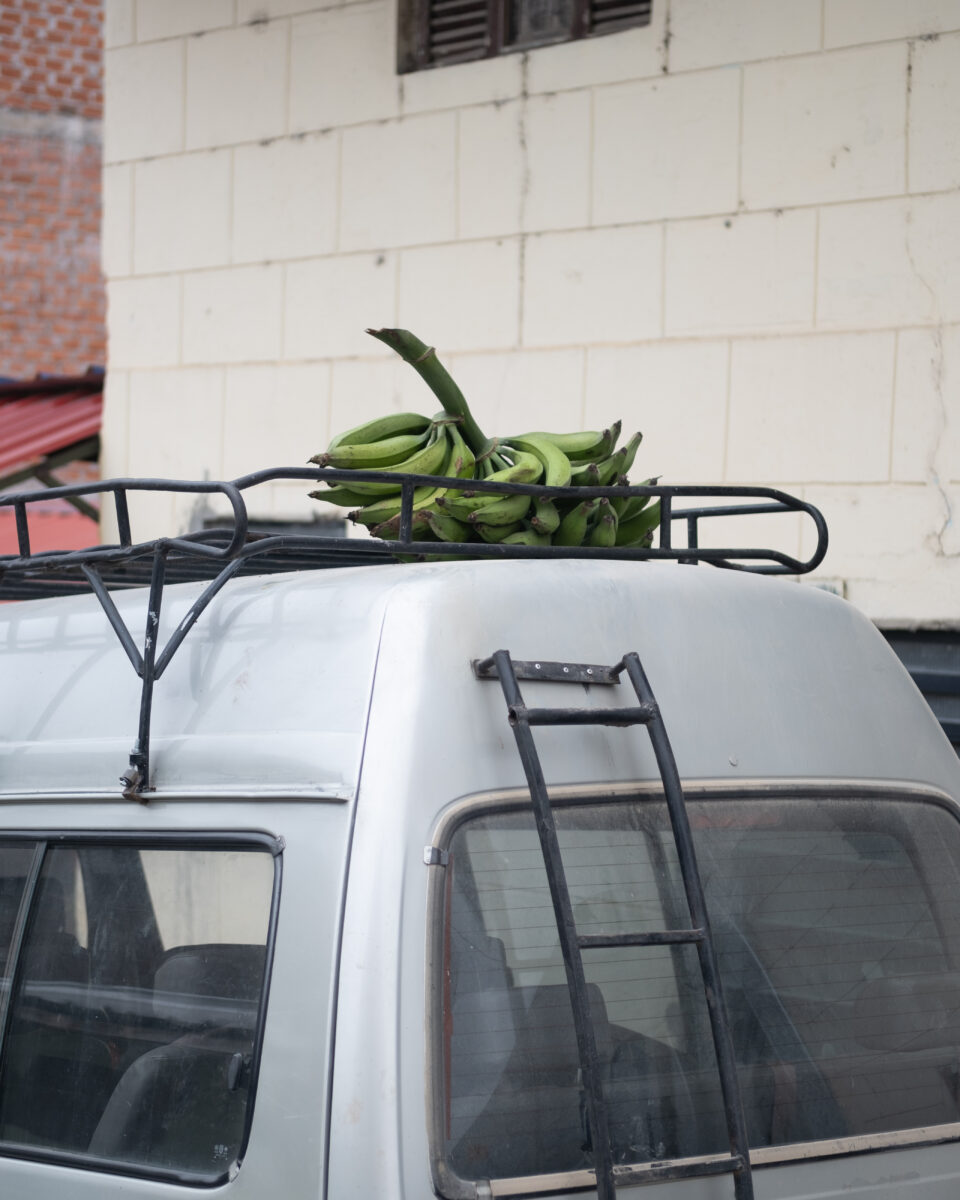
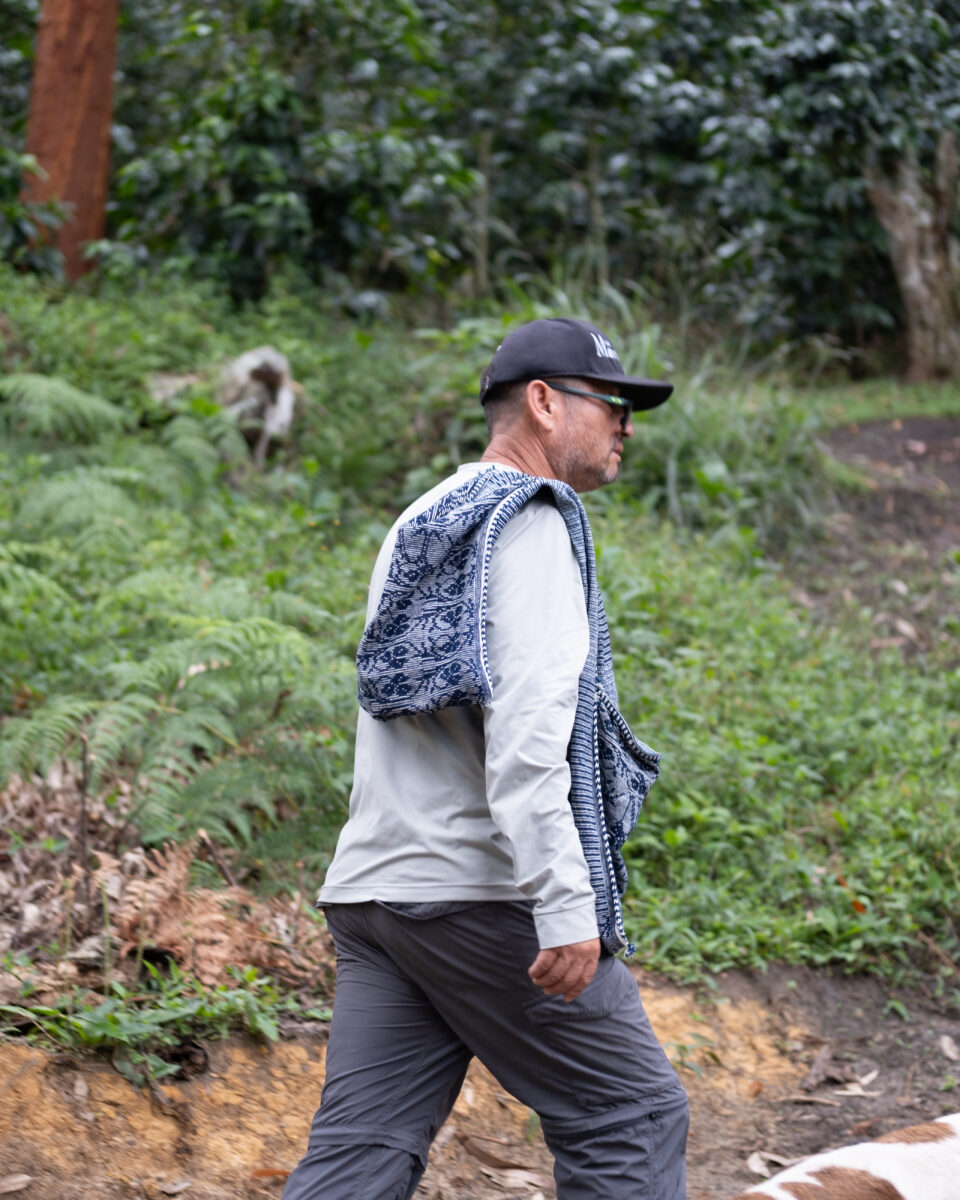
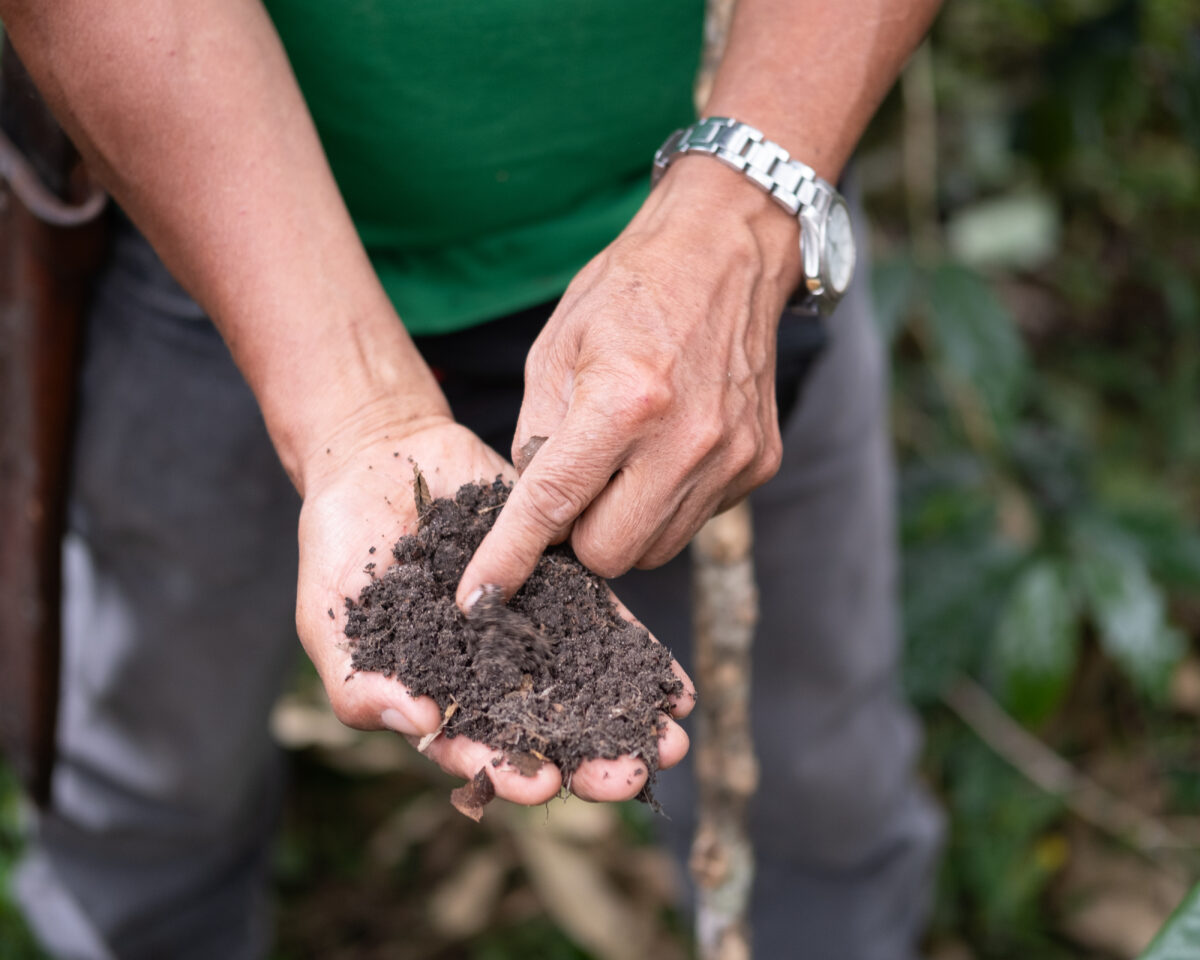
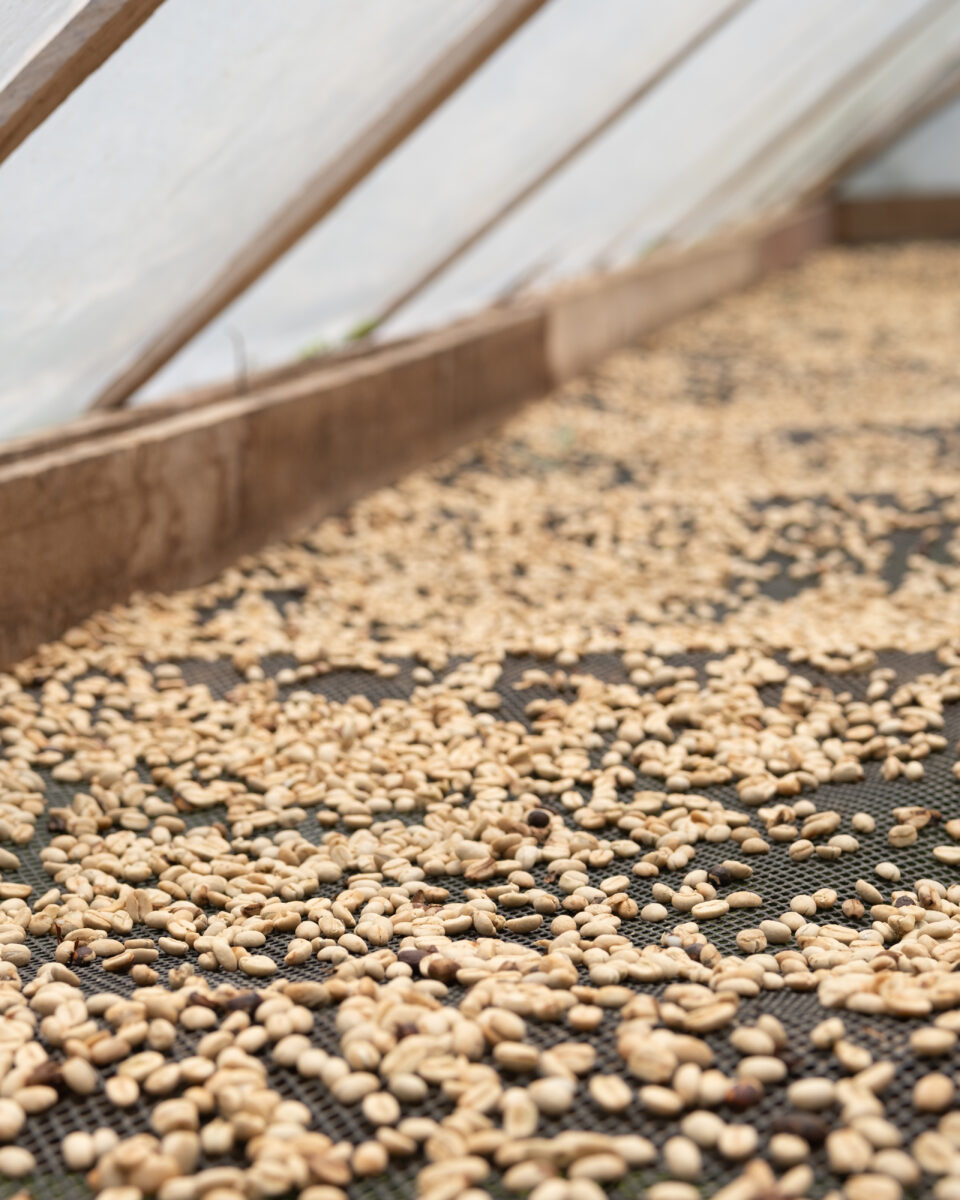
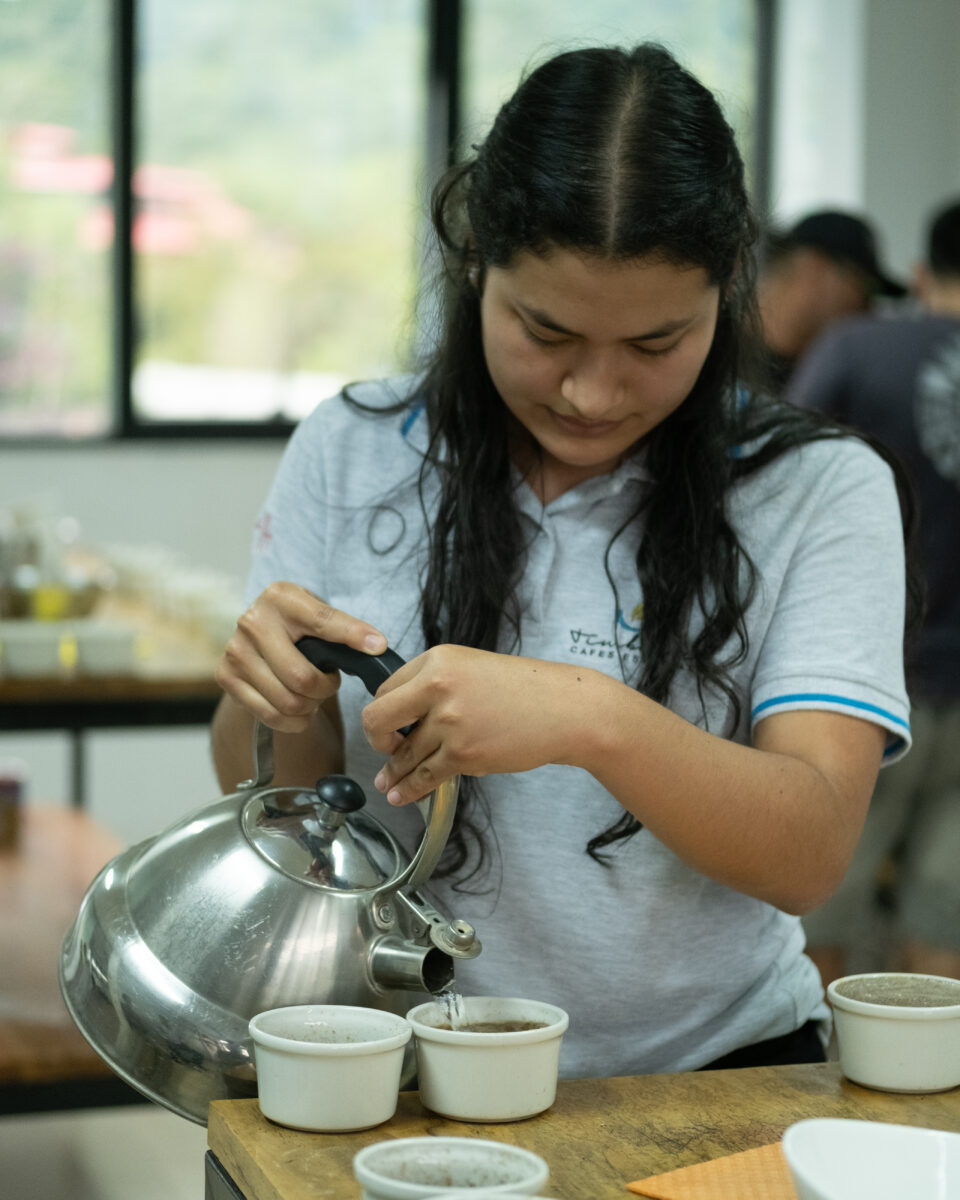
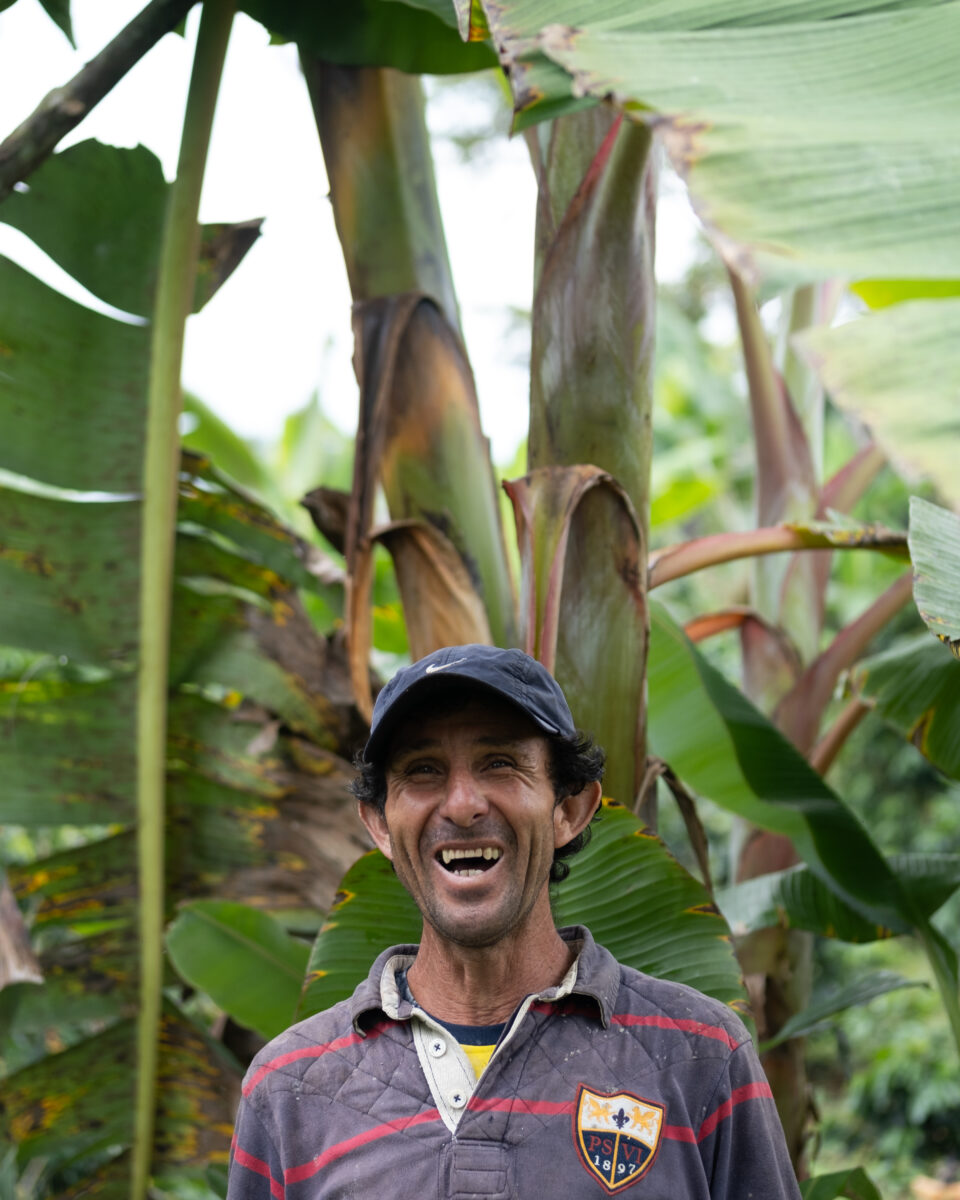
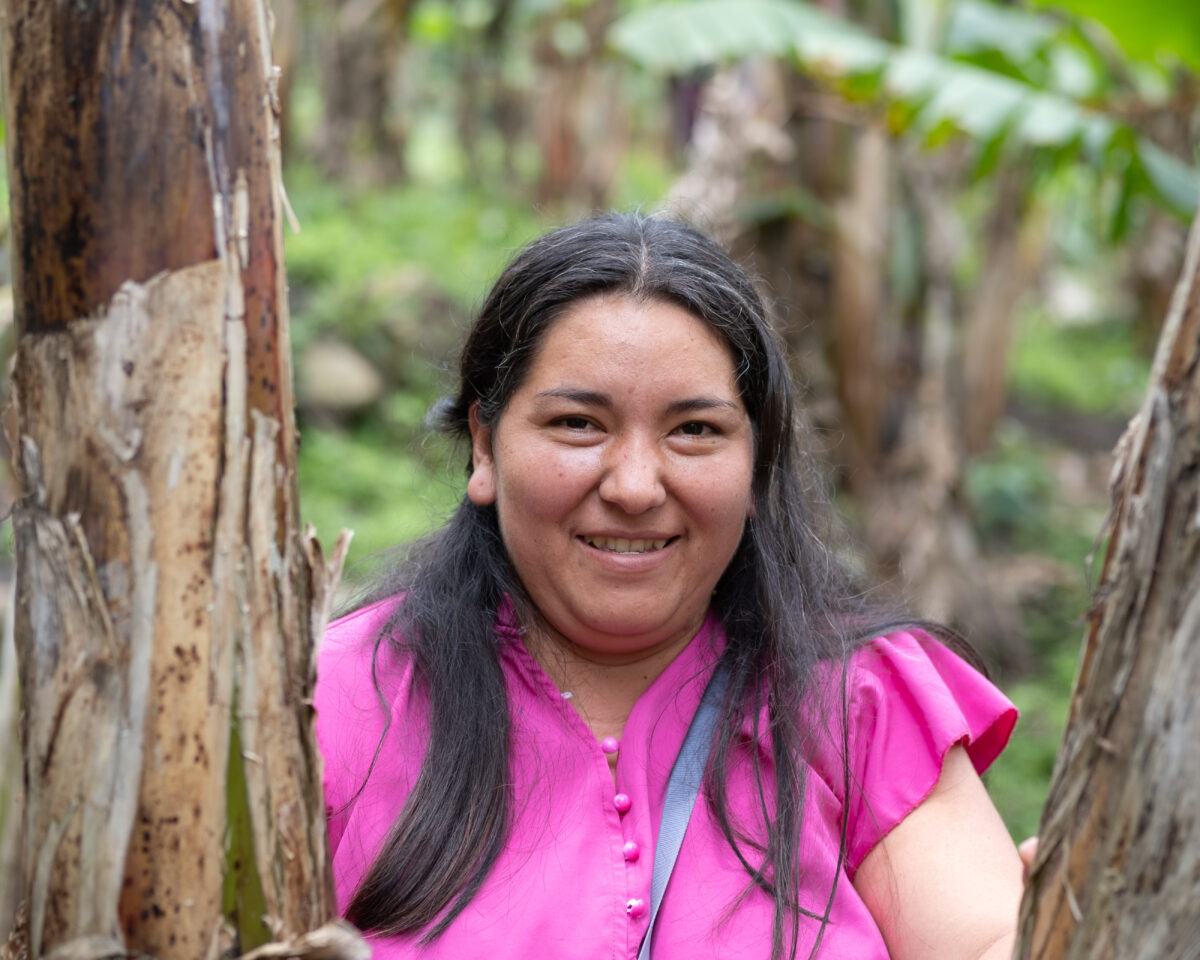


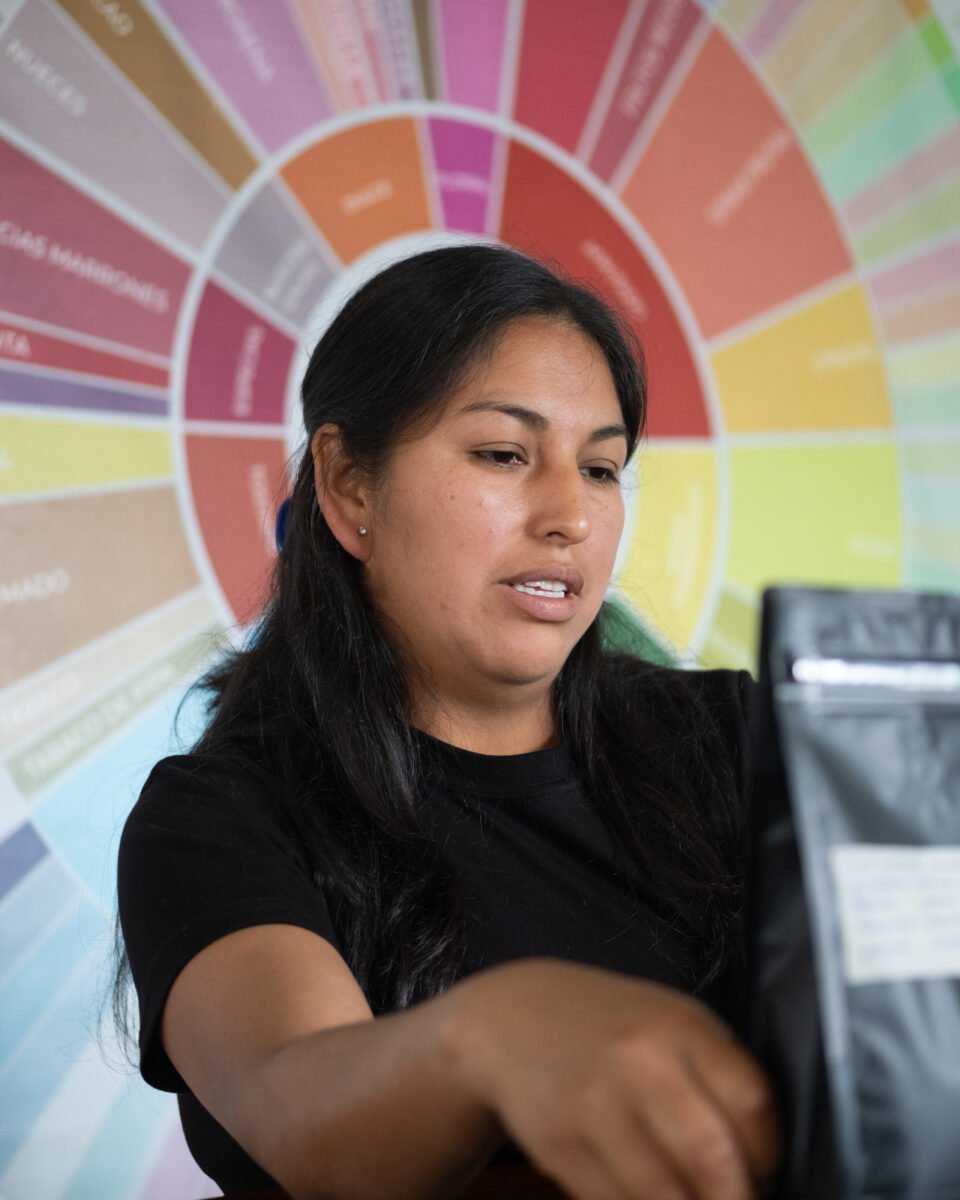


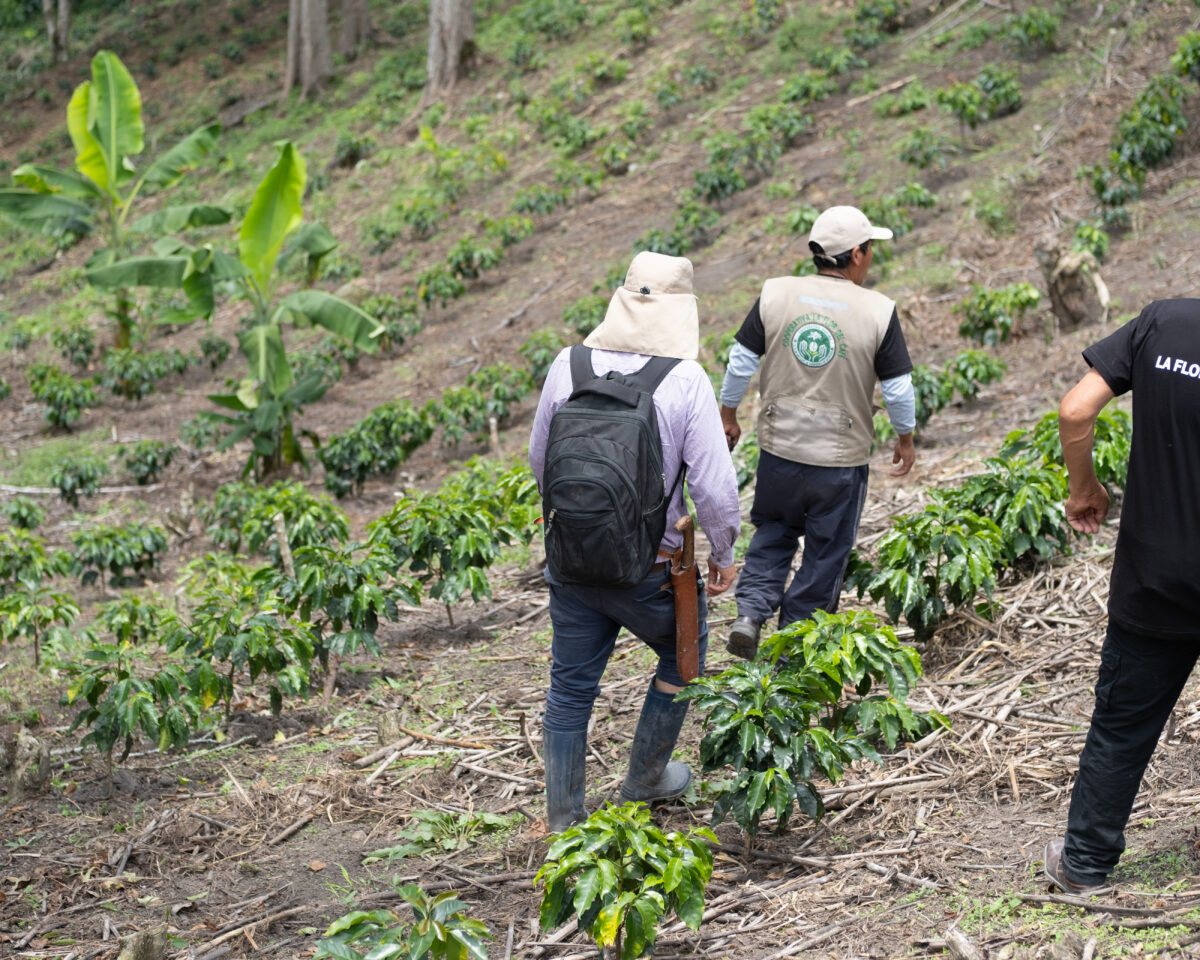
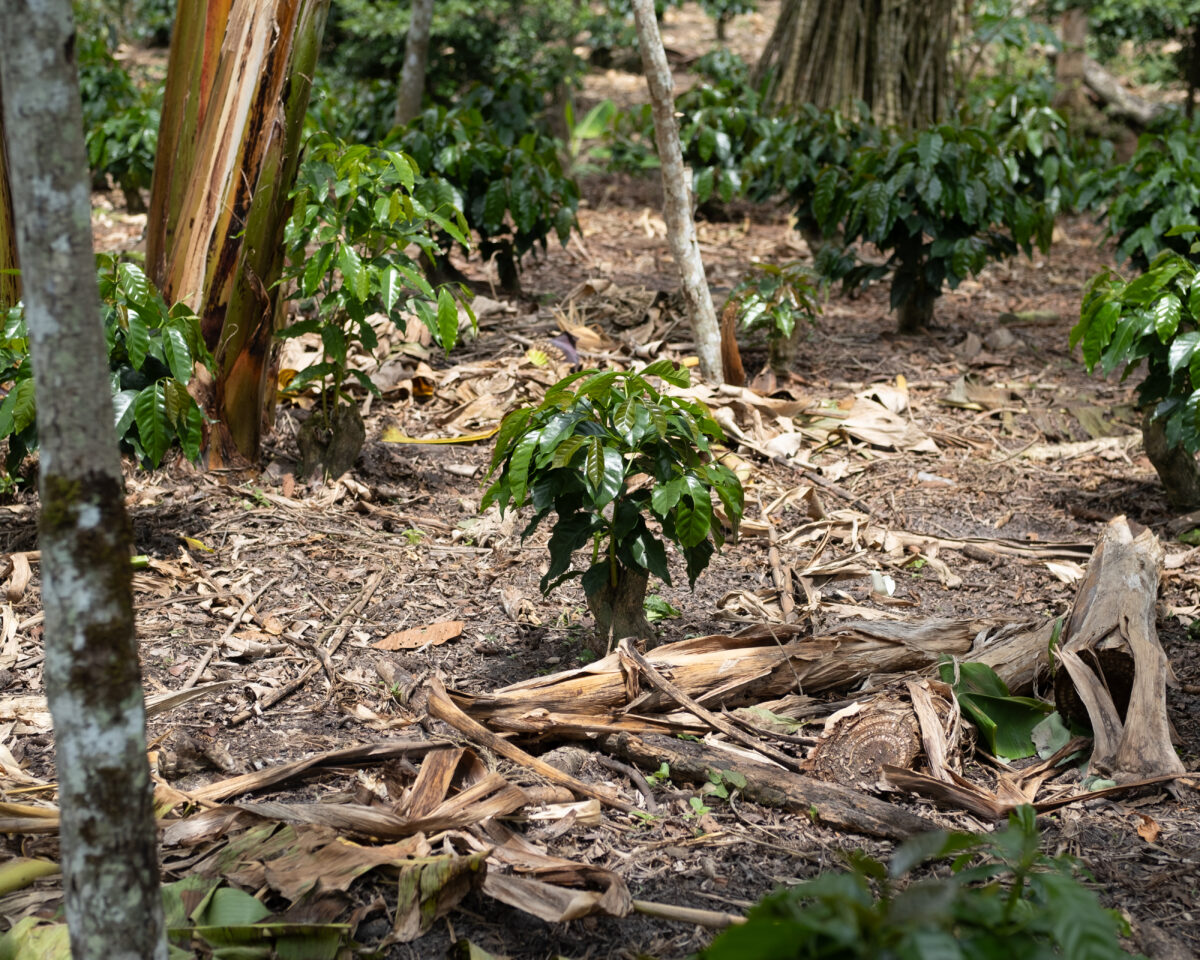
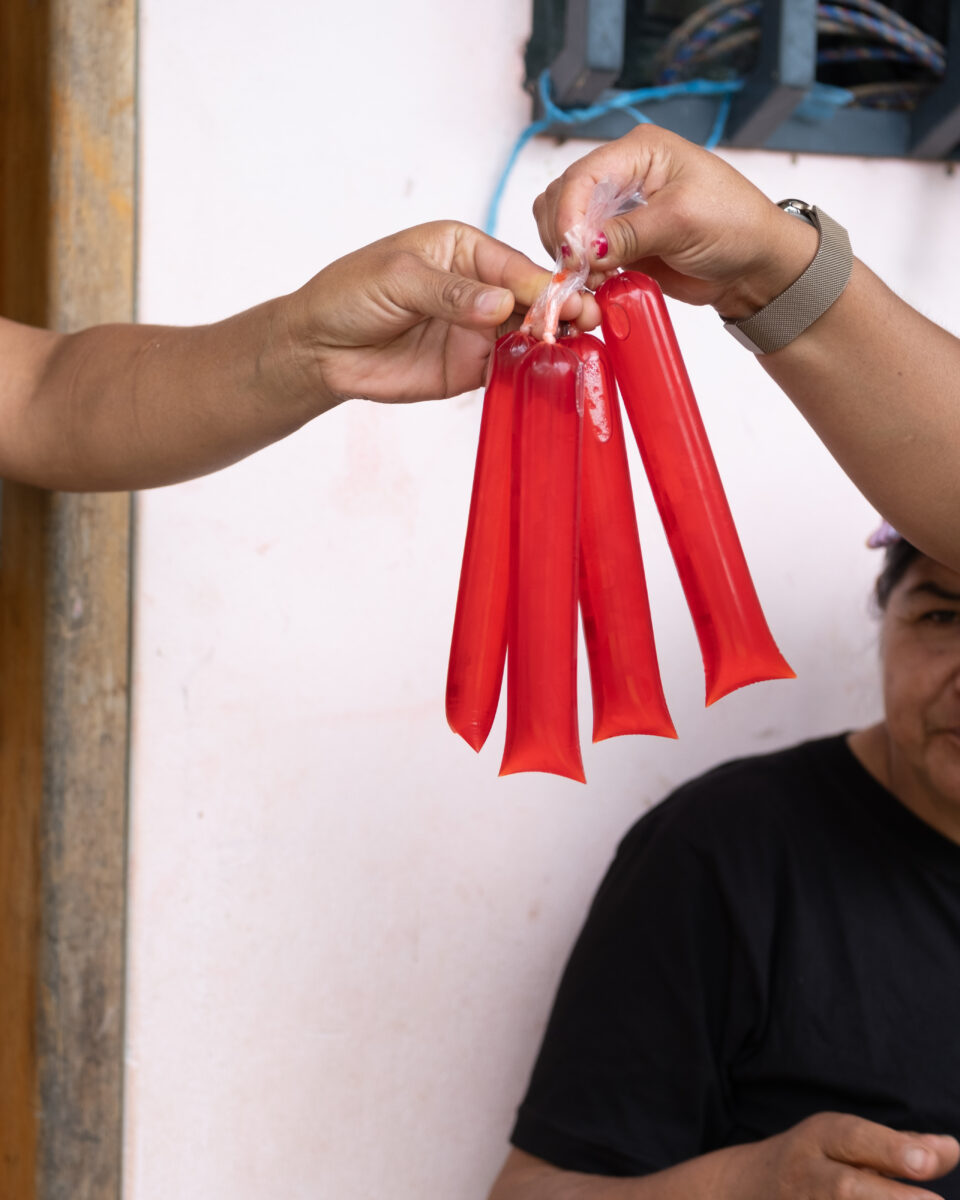

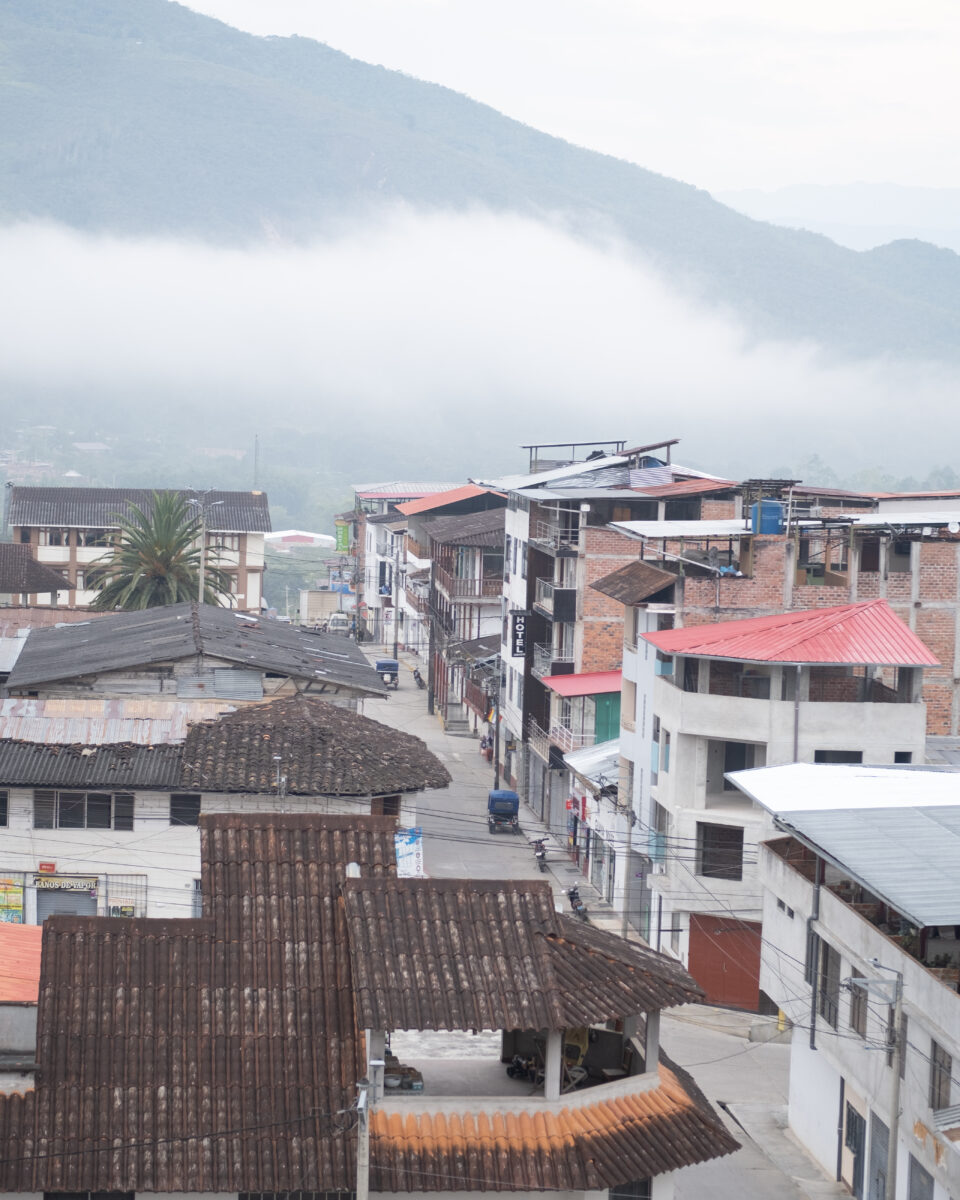


The average Peruvian coffee farmer cultivates between two and three hectares. In Amazonas, producers may harvest small amounts of cherry throughout the year, although the main harvest in northern Peru typically runs from July to October.
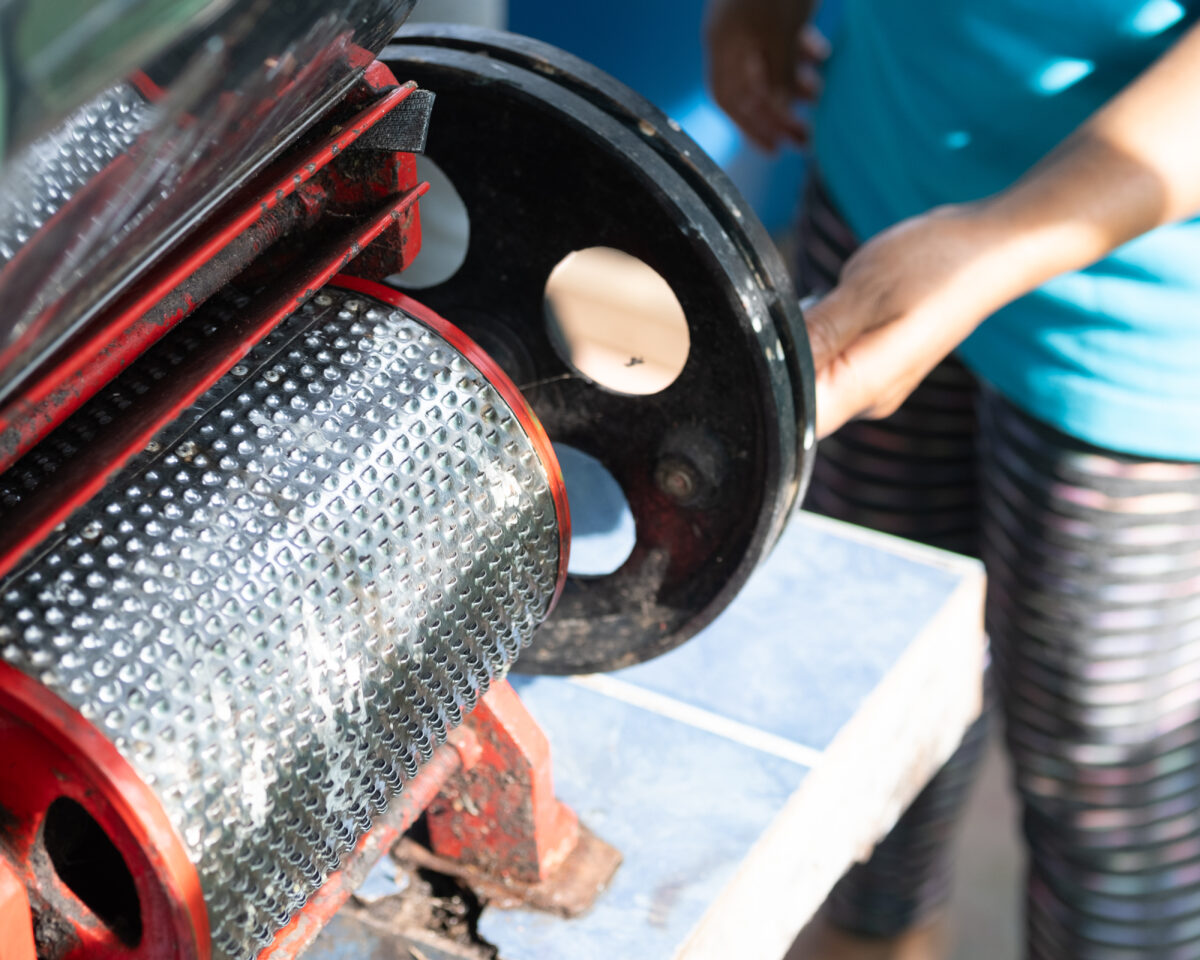
Processing takes place directly on the farm, often using manual hand-crank depulpers. The coffee is then fermented in tanque tinkas (small, ceramic-tiled fermentation tanks) and dried in solar dryer tents.
Once dry, the parchment coffee is delivered to local collection points before travelling to central dry mills in Jaén, Bagua or Mendoza de Rodríguez.
There are two different ways farmer organizations are legally organized in Peru: through the traditional cooperative system and legal associations. Cooperatives, not limited by geography, can buy throughout Peru. Whereas associations are generally limited to a specific geographical area.
Additionally, exporters are also increasingly working to identify and promote exceptional individual producers within these networks. This is encouraging more innovation at farm level, while giving producers a stronger sense of ownership and pride in their work. It also helps build tangible, personal and long-term relationships between producers and roasters around the world.
Peruvian producers face difficult terrain, limited infrastructure, high humidity, unpredictable rainfall, rising input costs, coffee leaf rust and volatile prices. Drying remains a particular challenge. As a result, organizations are heavily investing in improved washed processing and drying in solar tents to better control conditions.
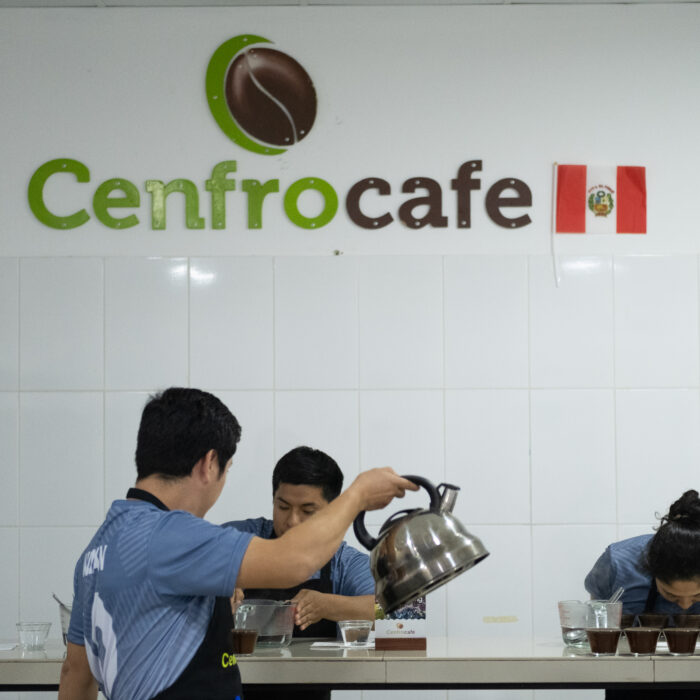
At the same time, investment in local mills, farm renovation, composting, water management and technical training is creating new opportunities. Initiatives such as Cenfrocafe’s Research Center Cruz de Chalpon are testing more than 30 coffee varieties, helping farmers identify plants that combine cup quality, productivity and climate resilience.
The Peruvian coffee landscape is one defined by its complexities. Organized through smallholder communities dispersed throughout the country’s highlands with immense logistical and organizational challenges. Added pressure through increasingly unpredictable weather conditions, directly affecting both quality and quantity.
But behind all these challenges stands a country offering an immensely diverse coffee portfolio. And at Trabocca, we take pride in adding value to this supply chain: discovering distinctive coffees from the endless micro-climates Peru offers, delivering them reliably and sharing stories and culture behind. For more than 15 years, Peru has been our second-largest origin by volume annually. And continues to be one of the countries fascinating us most.