Ethiopia

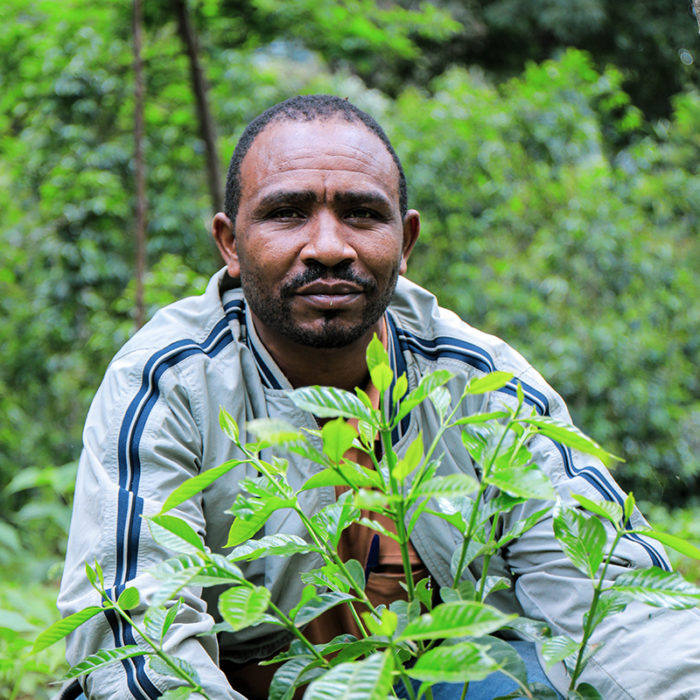
Balese Dinigu

About 

Balese Dinigu

Highlights

Balese Dinigu

  • Prime growing conditions make Adado one of the champagne regions of Ethiopian coffee.
  • Since 2017, the family obtained their own export license and ever since have been improving their business year by year.
  • In 2025 Trabocca helped to install all state-of-art processing equipment to further unlock the immense potential of the area.

From Union Coffee to Direct Partnership

There are places that live quietly in your memory. For us, Adado is one of them.

High on the mist-shrouded ridges of Yirgacheffe, Adado feels like Ethiopia’s Champagne region of coffee. Even at midday, clouds drift low across the slopes. The soils are deep and red-brown, the nights cool, the days slow and warm. Indigenous coffee varieties grow beneath native shade trees, absorbing a landscape shaped by altitude, rain, and time. Coffees from this micro-region imprint themselves on the palate: floral, berry-sweet, and bright with sparkling acidity.

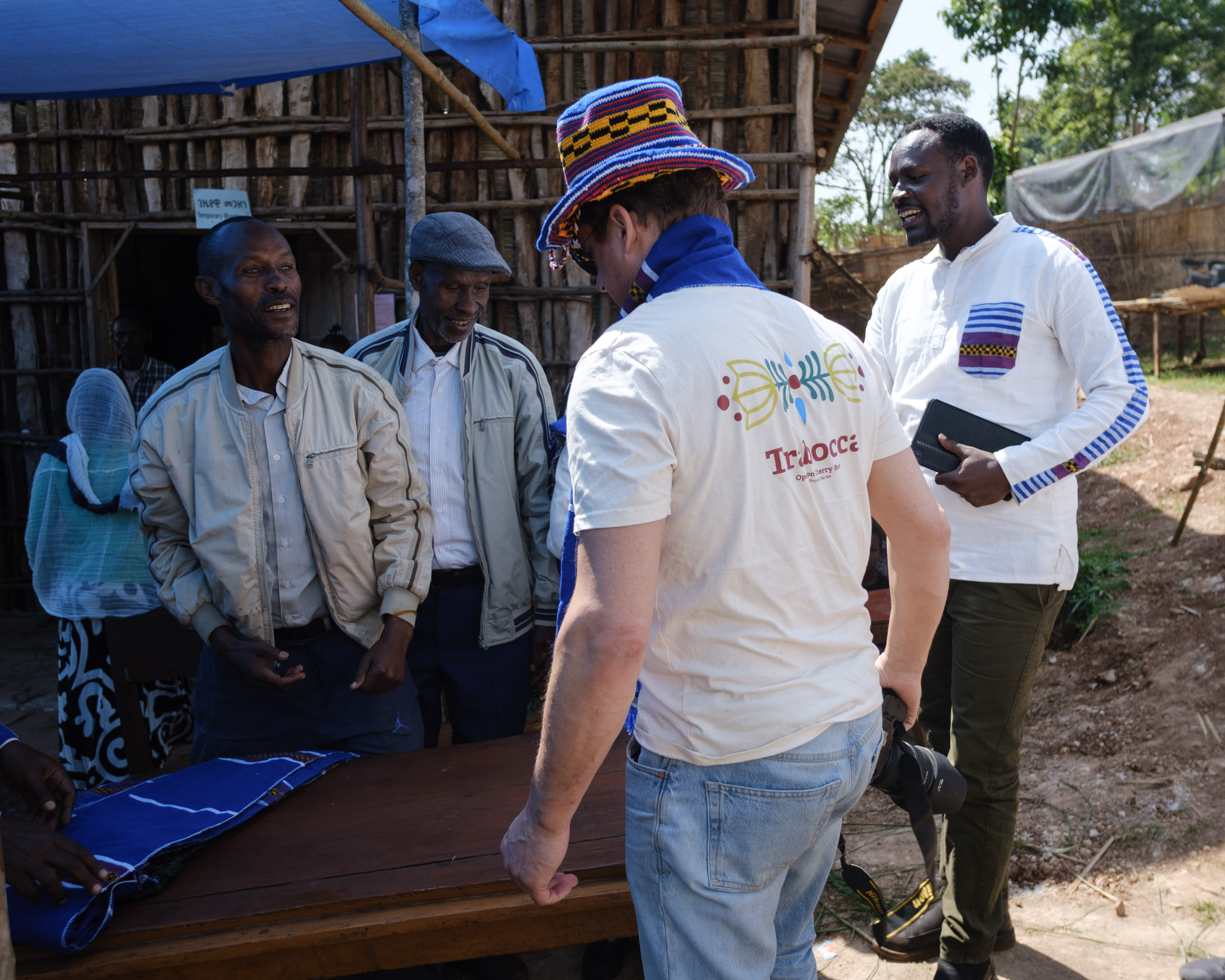
Menno first visited Adado more than a decade ago, when Trabocca worked with the Yirgacheffe Union to strengthen the Adado processing site. Roads were improved, and an eco-pulper was installed to support quality and access. It was during those early years that Menno met the Dinigu family. “Back then I was a little kid, and now I am a big man,” Fetenne laughs. “When we remember Trabocca, we remember the passion of Mr Menno. He even visited our house.” Today, being able to work directly with producers here reflects a wider shift within Ethiopia’s coffee industry—one that opens new paths for quality, transparency, and shared growth.

A family rooted in land and time

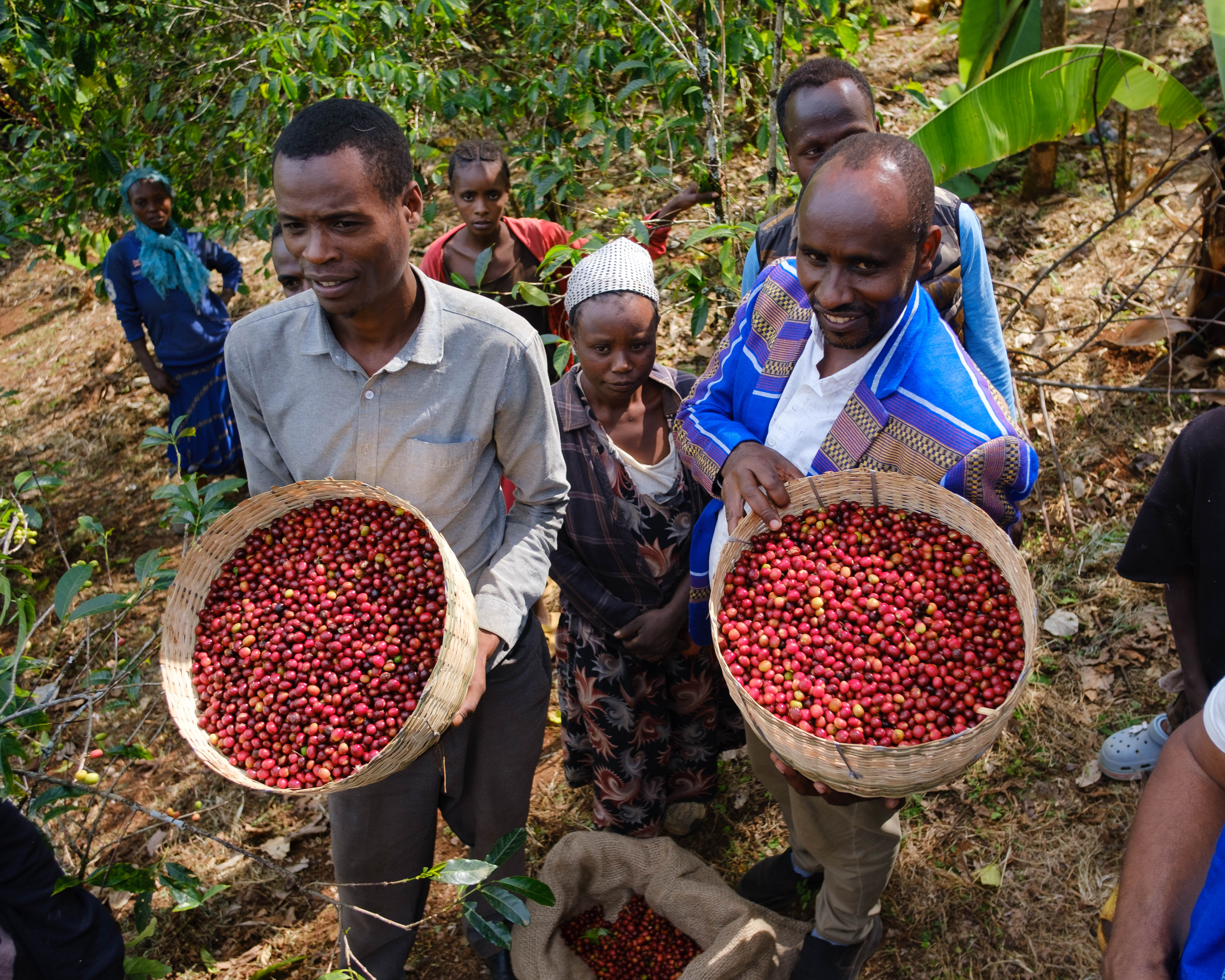
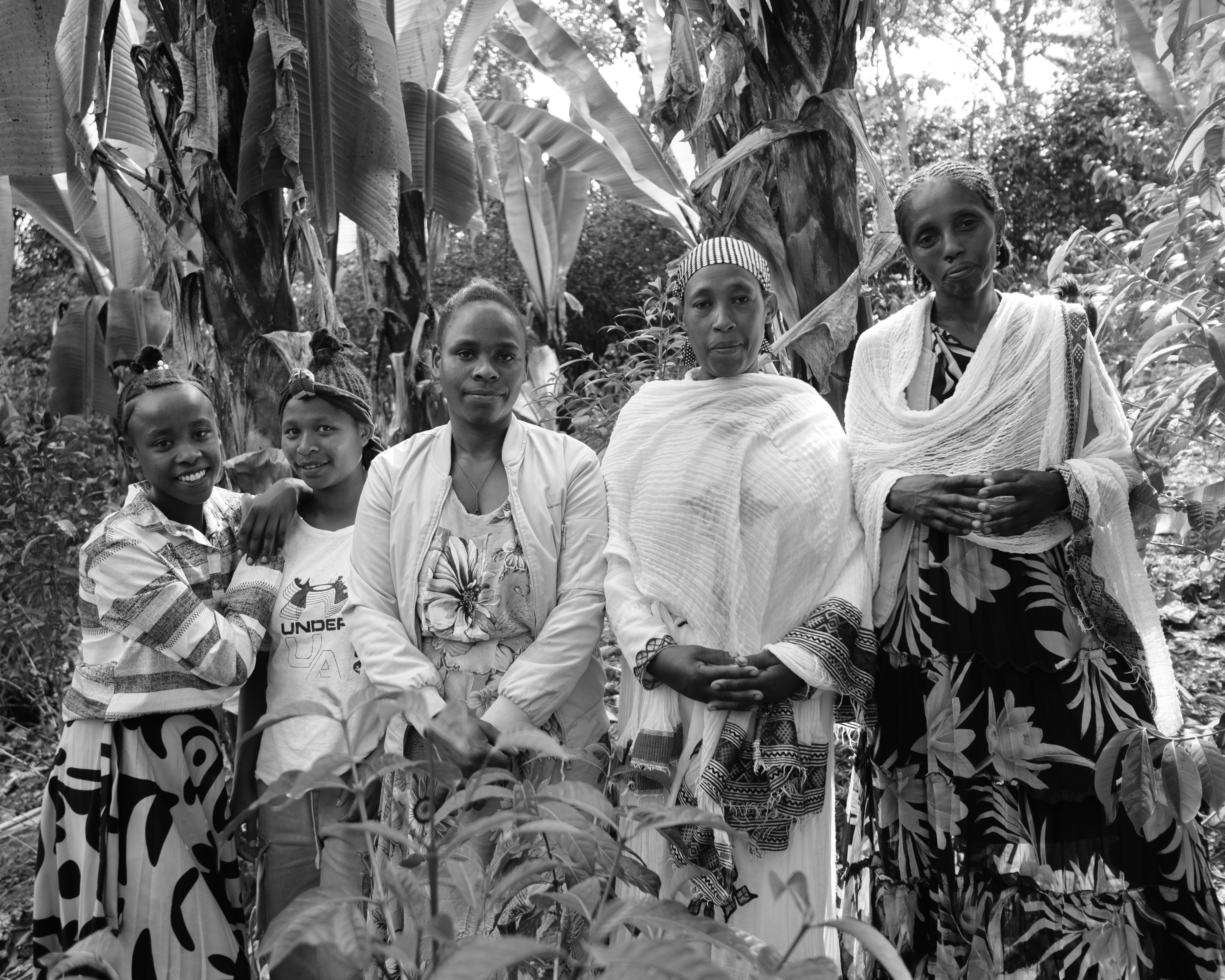
The Dinigu family’s coffee story spans generations. Today, Balese Dinigu and his family farm 12 hectares, divided into two adjacent plots of 6 hectares each—one registered in Balese’s name, the other in the name of his eldest son, Tilahun. Coffee here is not an occupation but a way of life, practiced under the Gedeo belief that land is held in stewardship beneath Magganno, the Sky God.

Coffee grows in complex agroforestry systems beneath Millettia ferruginea, Cordia africana, and Albizia, alongside enset (false banana), maize, sugarcane, and barley. This living landscape, recognized by UNESCO for its cultural and environmental significance, has sustained both families and ecosystems in balance for centuries.

From volume to intention

Ten years ago, the family sold their harvest to the Yirgacheffe Union. Production was modest: around 2,000 kg of low-grade natural coffee, dried on a handful of beds, with limited sorting and little control over final quality.

Everything changed in 2017, when Ethiopia opened the possibility for smallholders to obtain their own export licenses. The Dinigu family acted immediately. But the real catalyst came from the next generation.

Balese’s sixth child, Fetenne, became the connector. Educated in Dilla town, fluent in English, and deeply committed to the family farm, he proactively reached out to Trabocca—successfully reopening a relationship that had begun years earlier.

Technical

Information

Region

yirgacheffe

Processes

Natural

Varieties

Kurume, Dega, Wolisho

Altitude

2150 - 2400 masl.

Producer

Balese Dinigu & Family

Soil Type

Vertisols, fertile well-draining red-brown soil

Cupping notes

“When comparing to ten years before, we already did a great thing. But we are committed to further improve our coffee and our business with the same momentum.”

Fetenne Balese Dinigu

Scaling quality, not shortcuts

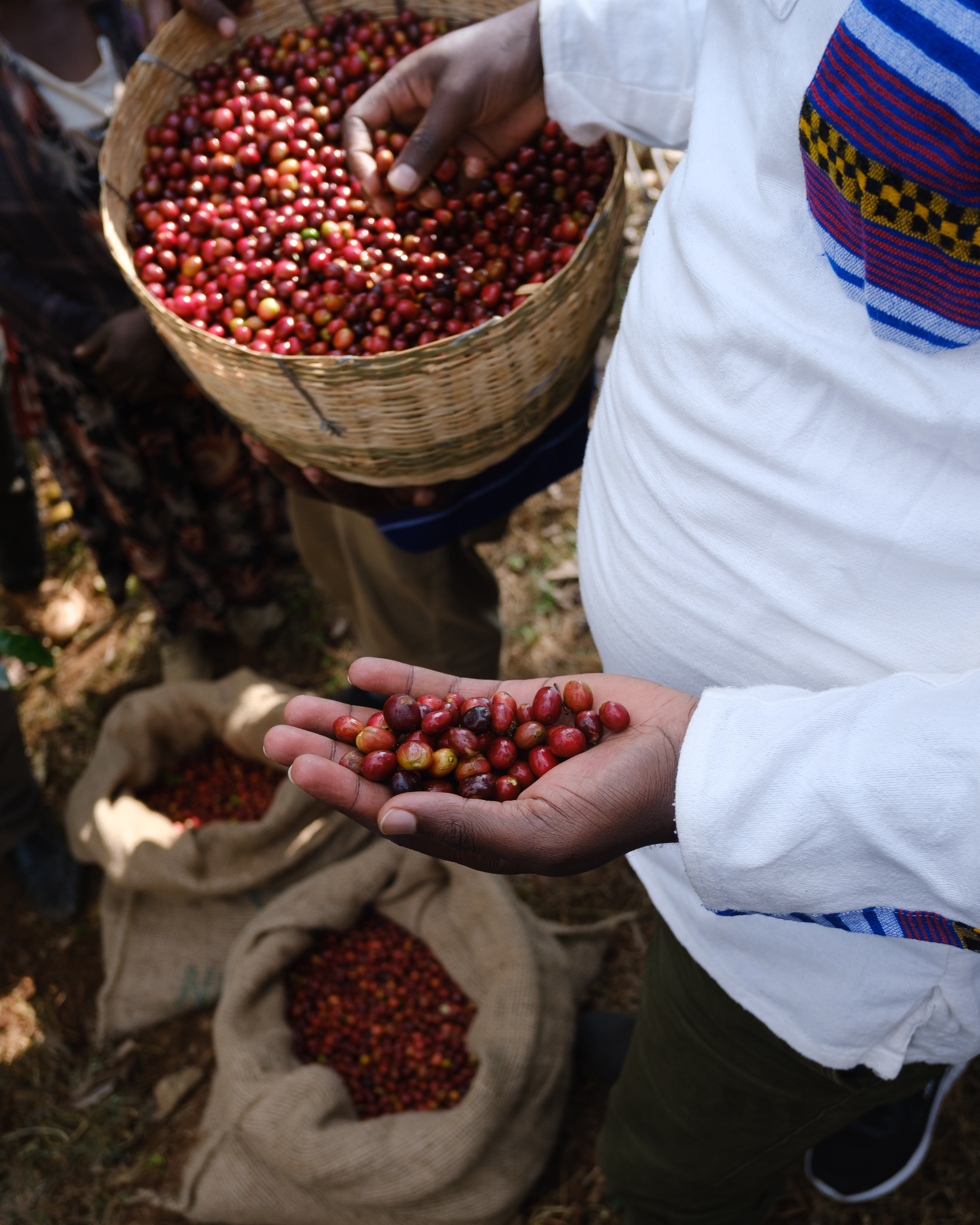
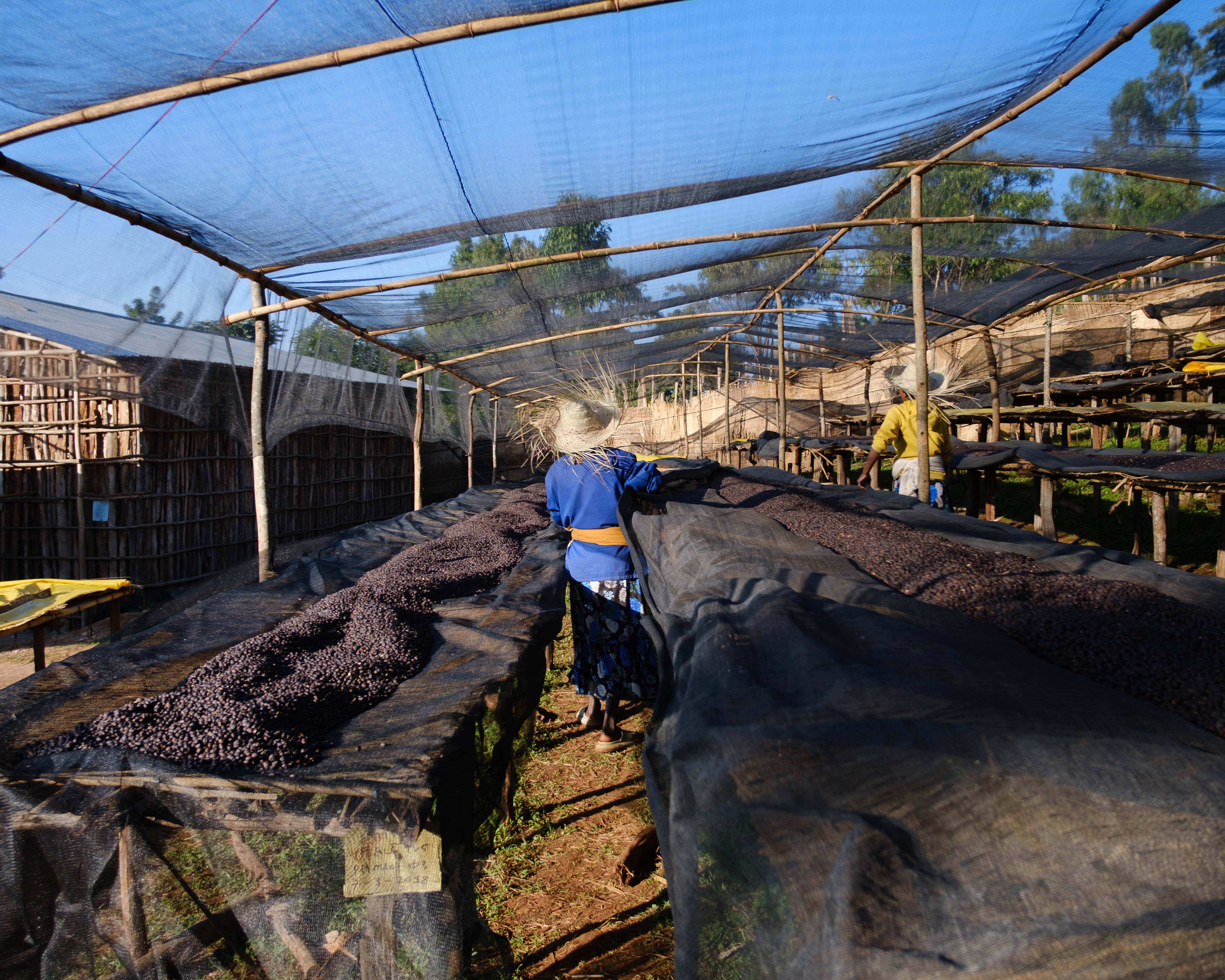
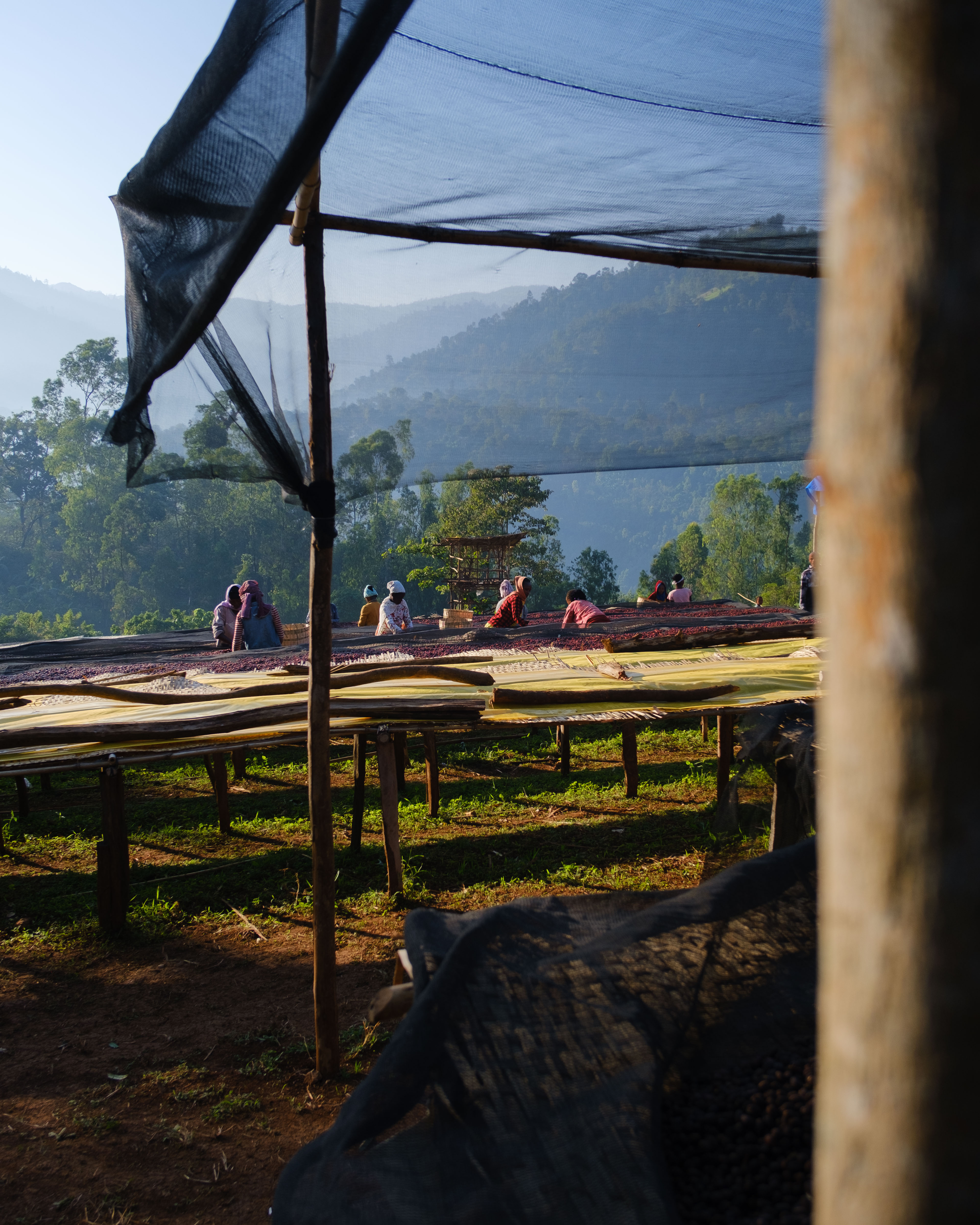
By the 2024/25 season, the transformation was unmistakable. The family expanded to 120 raised African drying beds, producing 10 metric tons of high-quality specialty coffee, while separating out 2,000 kg for the domestic market through strict floating and sorting. Marking the first year, that Trabocca purchased 100% of the family’s export-ready volume. But their ambition is clear: 150 raised beds and further improvement on quality.

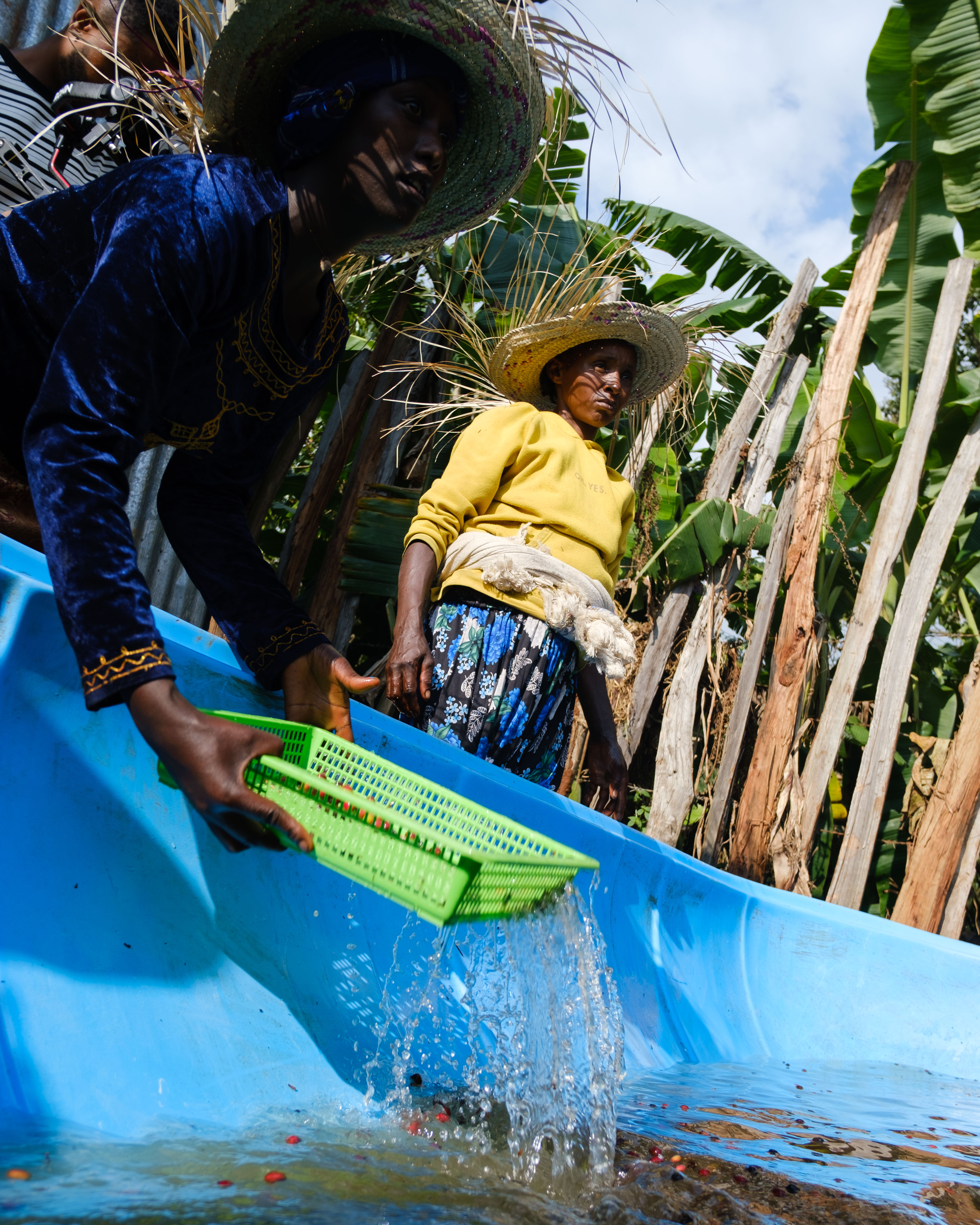
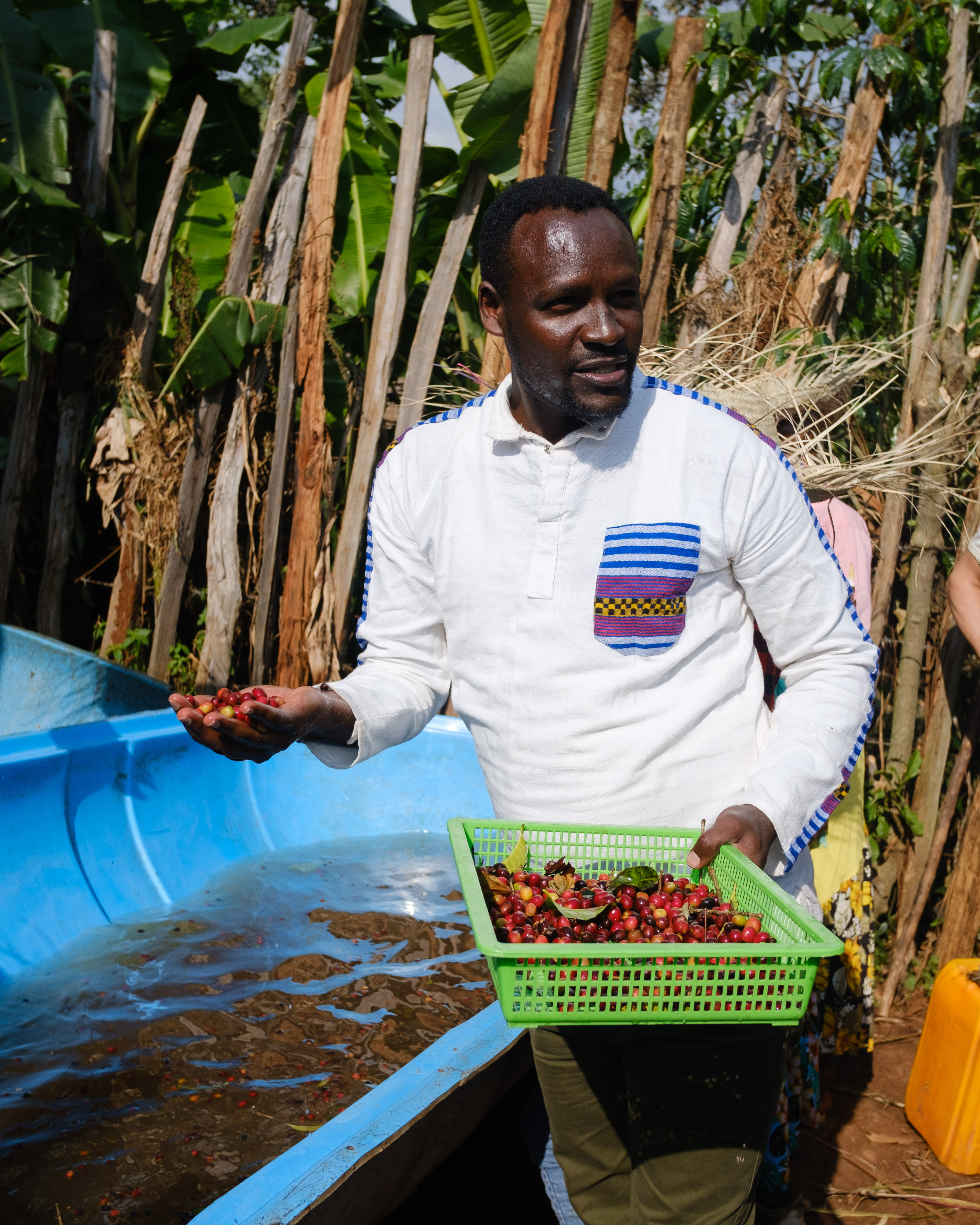
Driven by quality curiosity, the family requested guidance and began implementing Operation Cherry Red protocols. What started as a small floating tank quickly evolved into a full processing upgrade. Together, we aligned on funding and installing state-of-the-art processing infrastructure.

OCR Protocols and State-of-Art Equipment

  • Large floating tanks for efficient cherry sorting
  • Rain covers and shade nets to protect drying coffee
  • Stable mesh wire beds for optimal airflow
  • Moisture meters to identify ideal drying points
  • GrainPro bags for safe on-site storage, preserving moisture and quality

A region of promise, a community of effort

Adado remains remote. Accessibility is difficult, roads require constant work, and bringing equipment into the area is never easy. “This community potentially grow some of the best coffee in the world,” Menno says. “They just need some help to facilitate it.”

Despite these challenges, the commitment here is collective. When we visited in 2025, the entire family and their wider community of workers welcomed us. At lunch, surrounding farmers joined for a shared feast and celebration. Pride in the new infrastructure was tangible, as was gratitude.

Looking forward, the family has already secured adjacent land running down toward the river, with plans to build a washing station that will also serve neighboring smallholders—extending impact beyond their own farm.