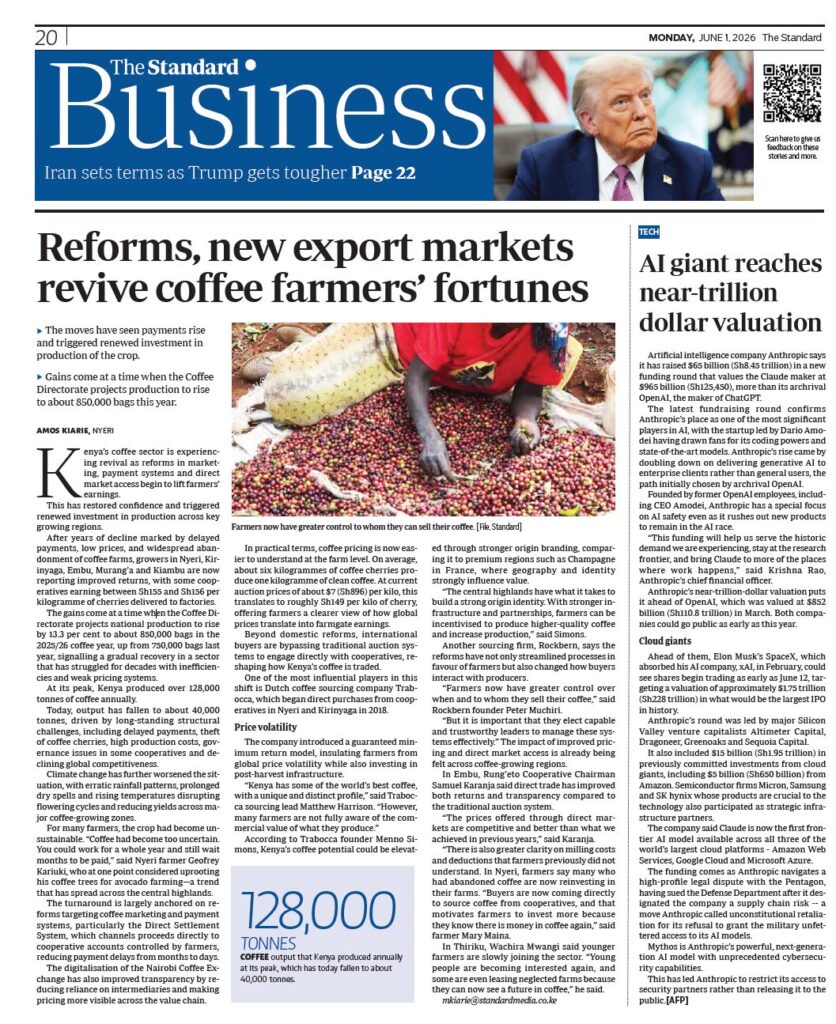
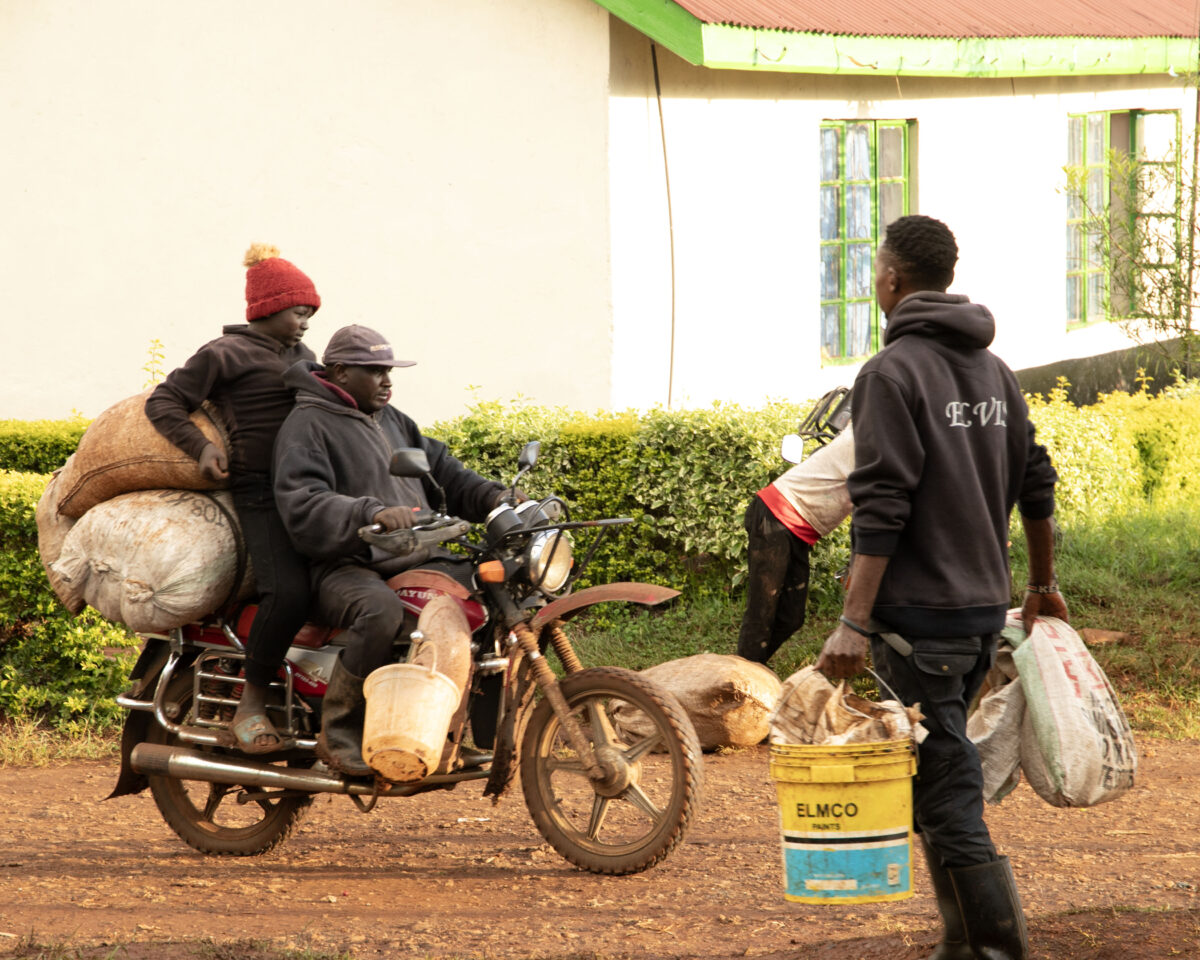
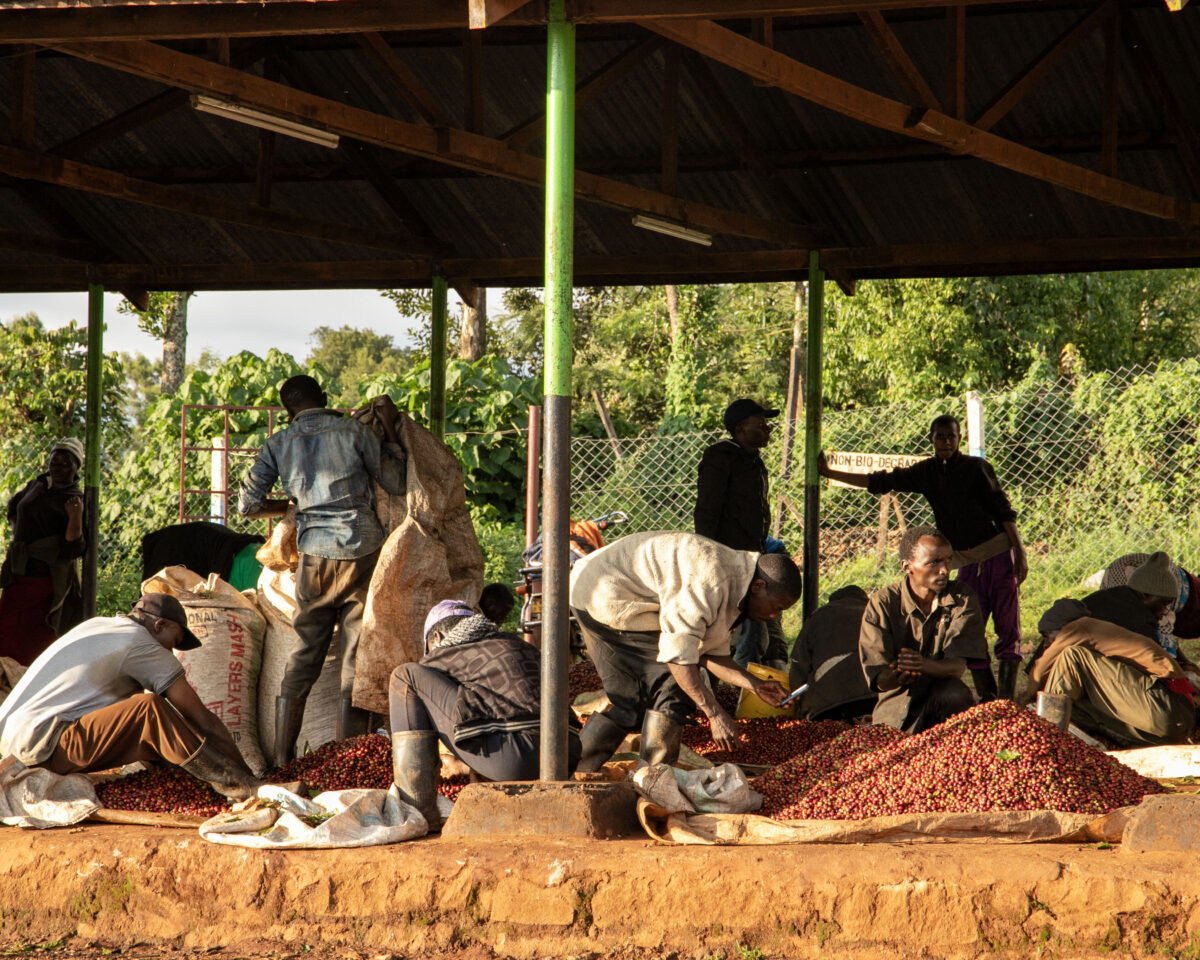
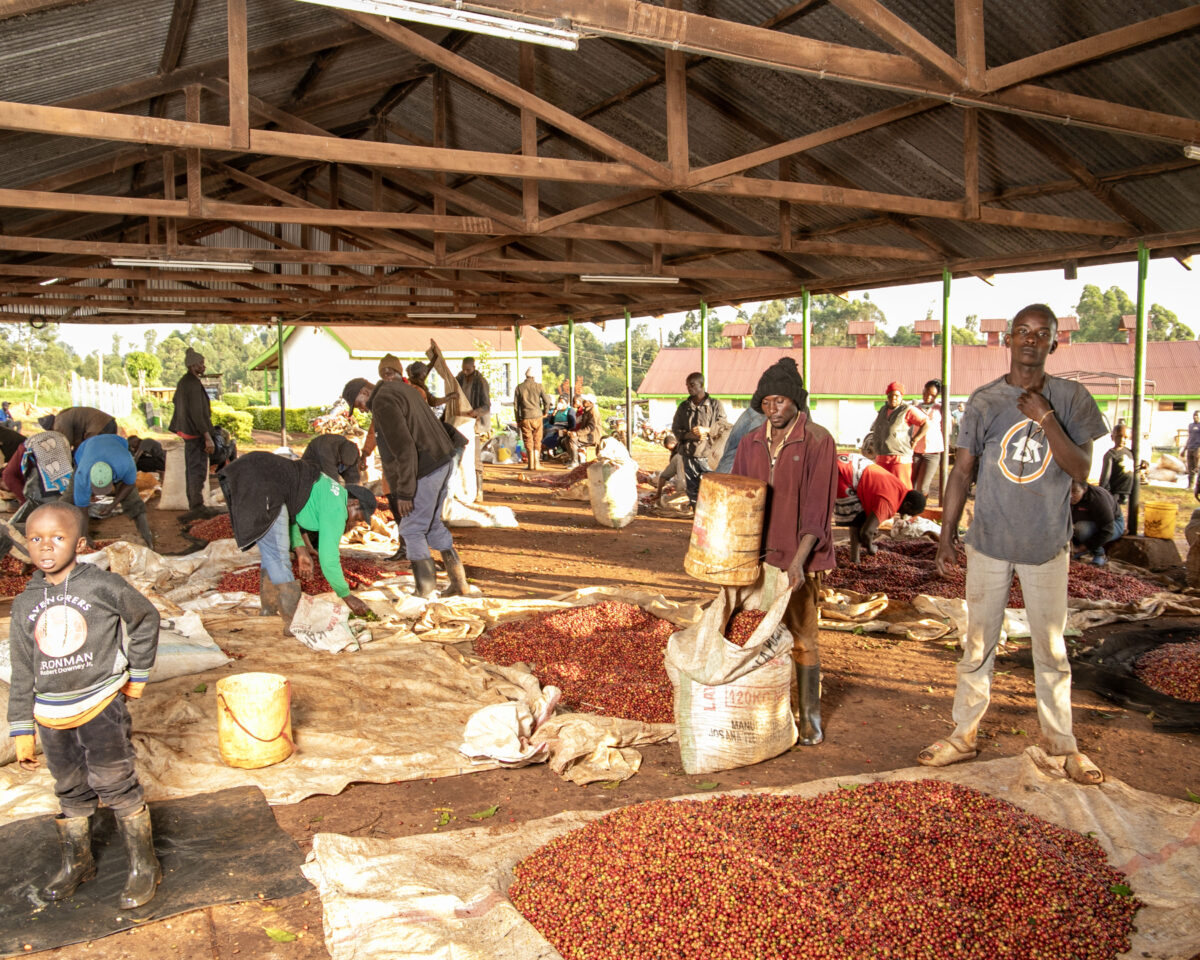
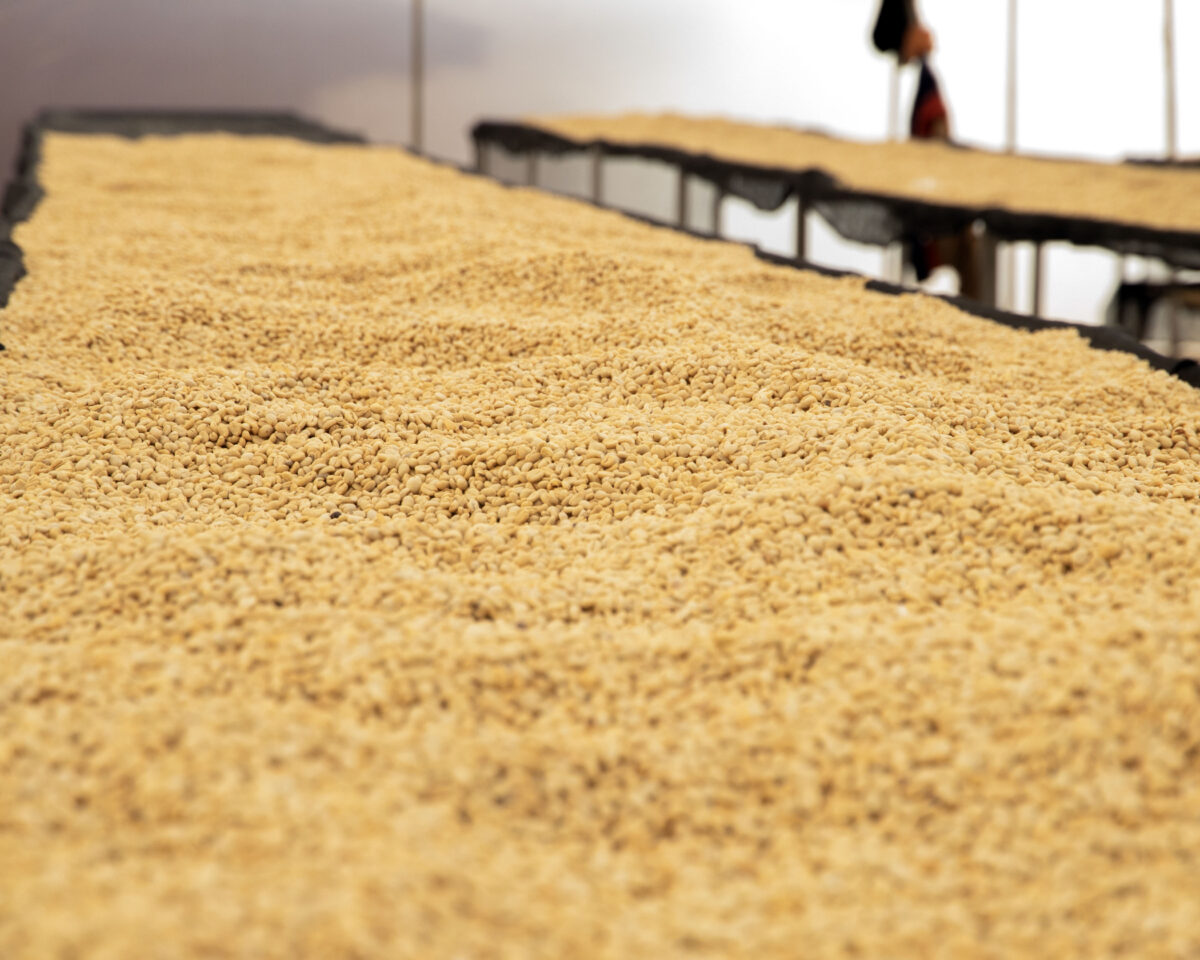
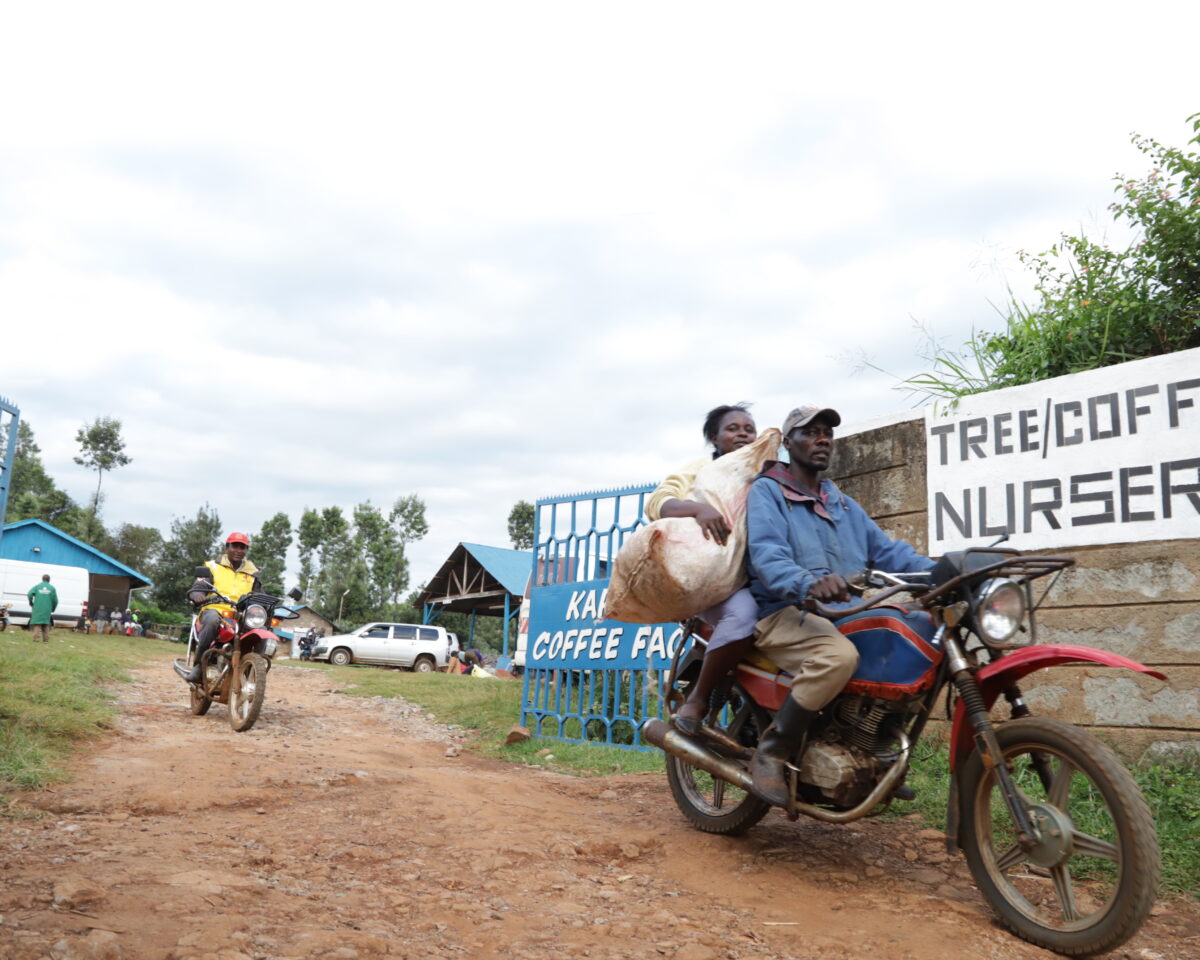
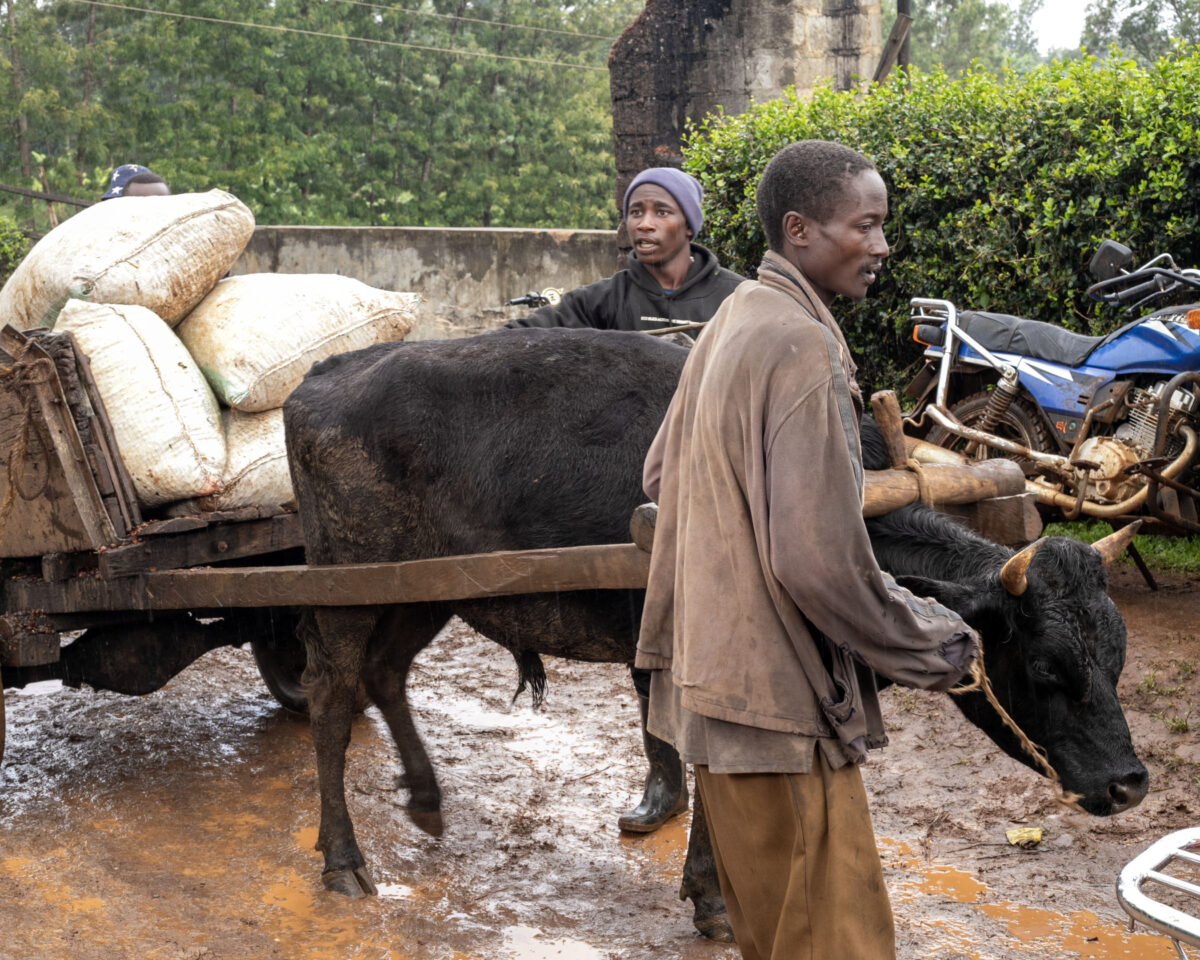
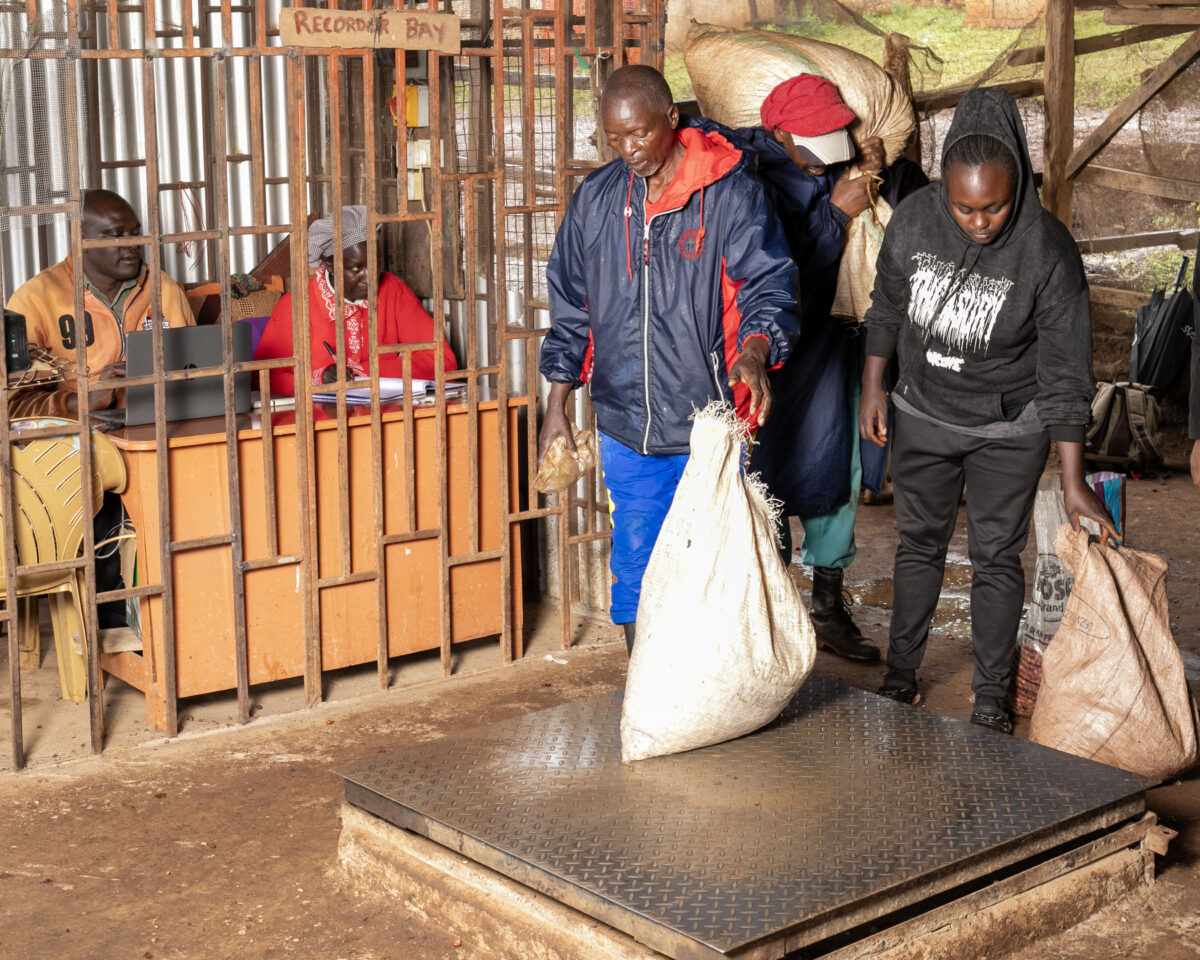
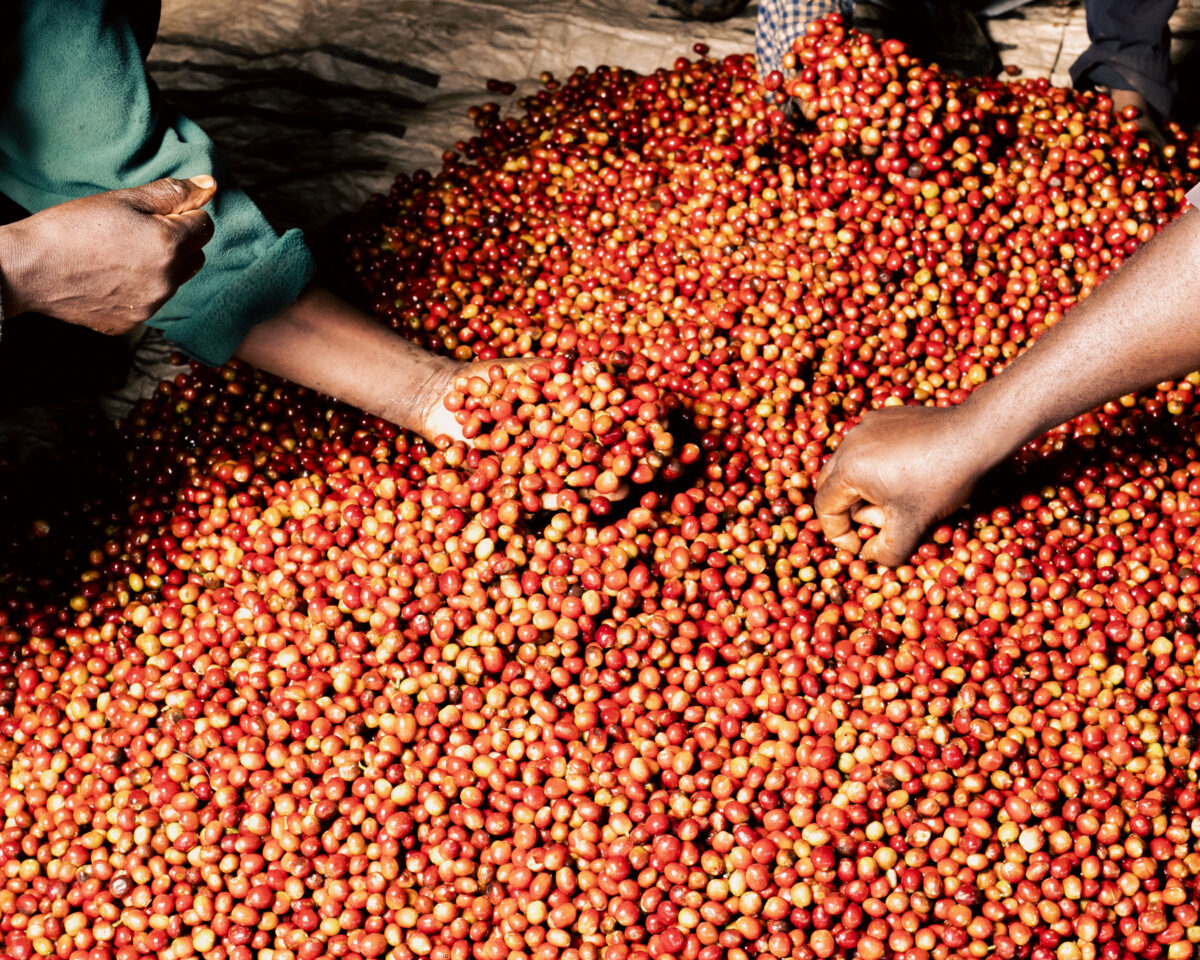
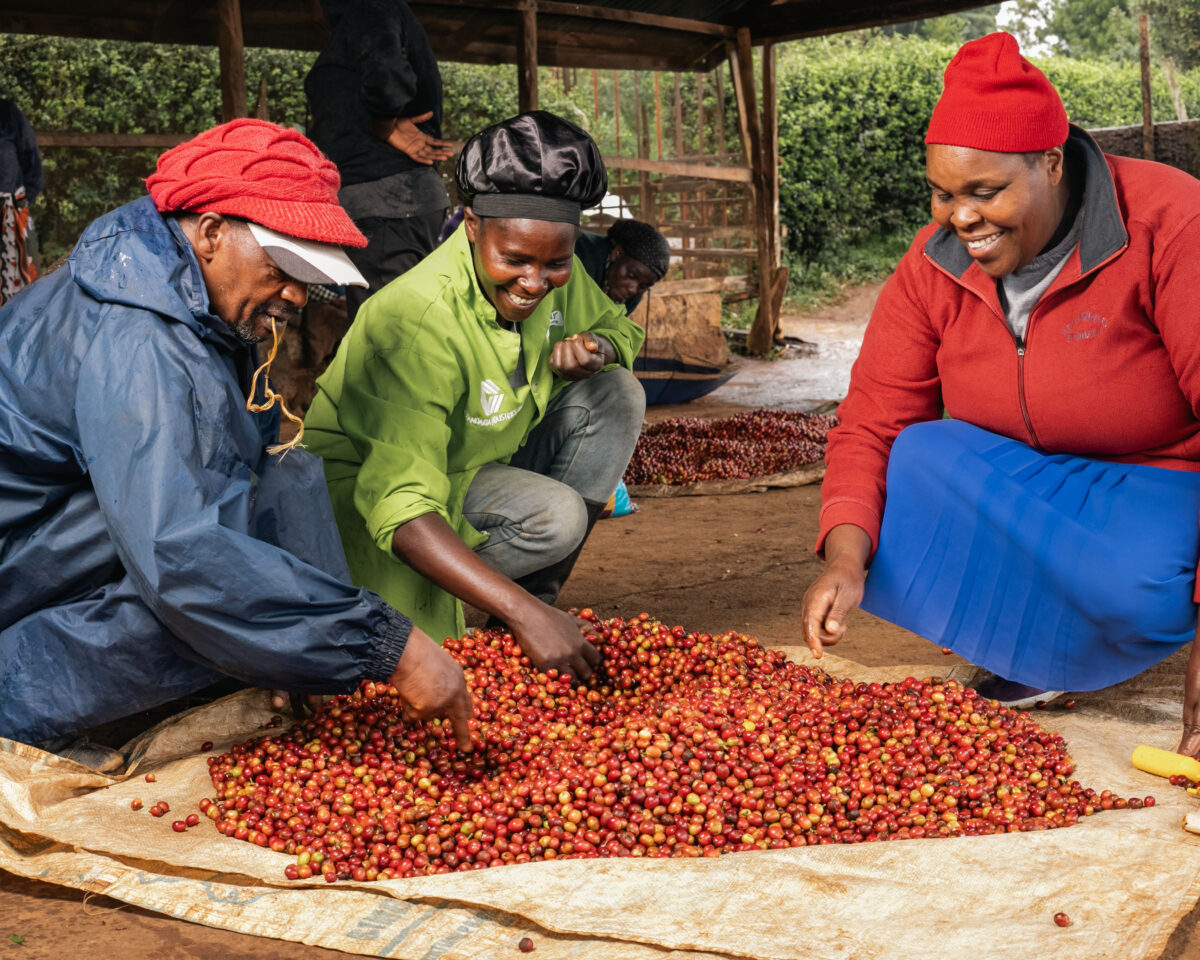
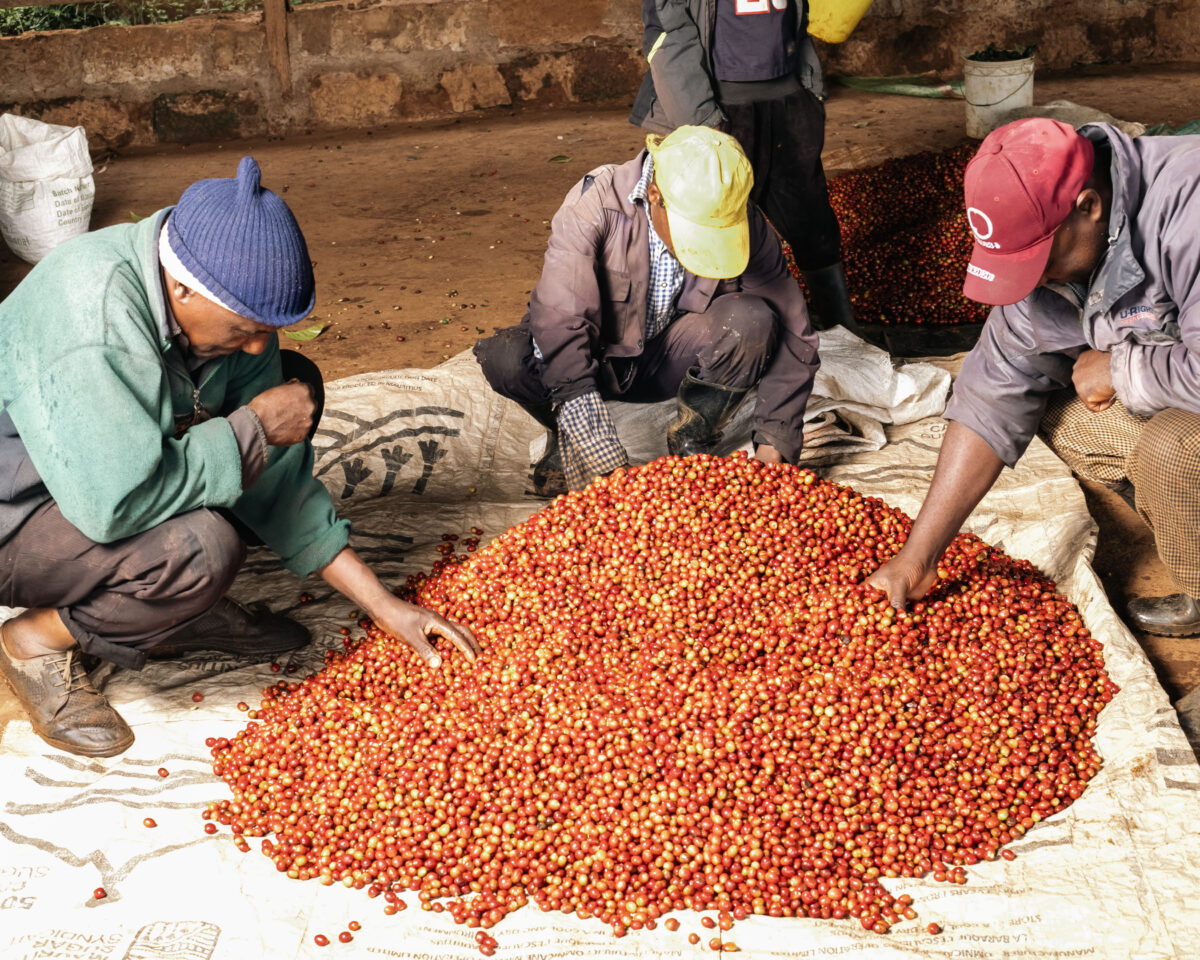
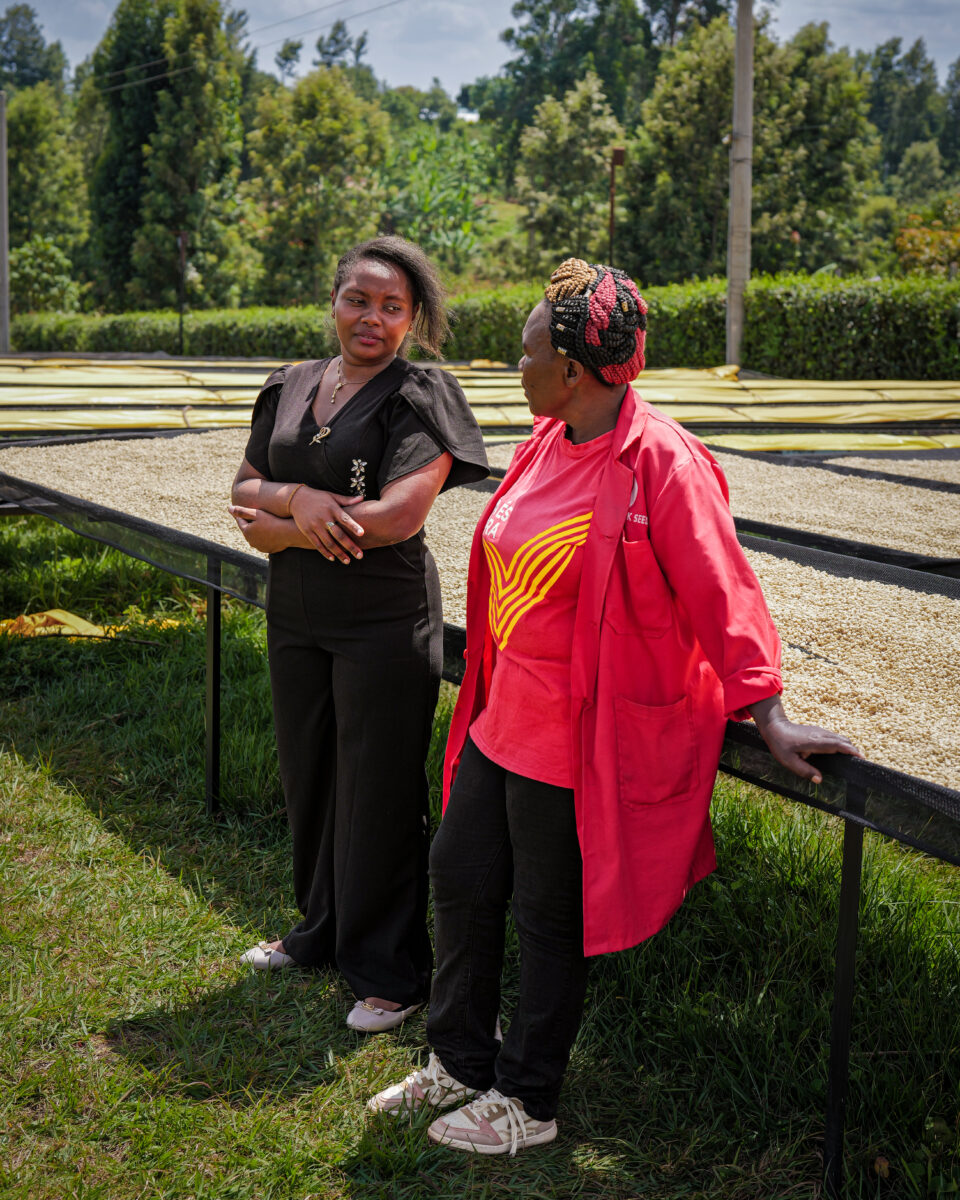
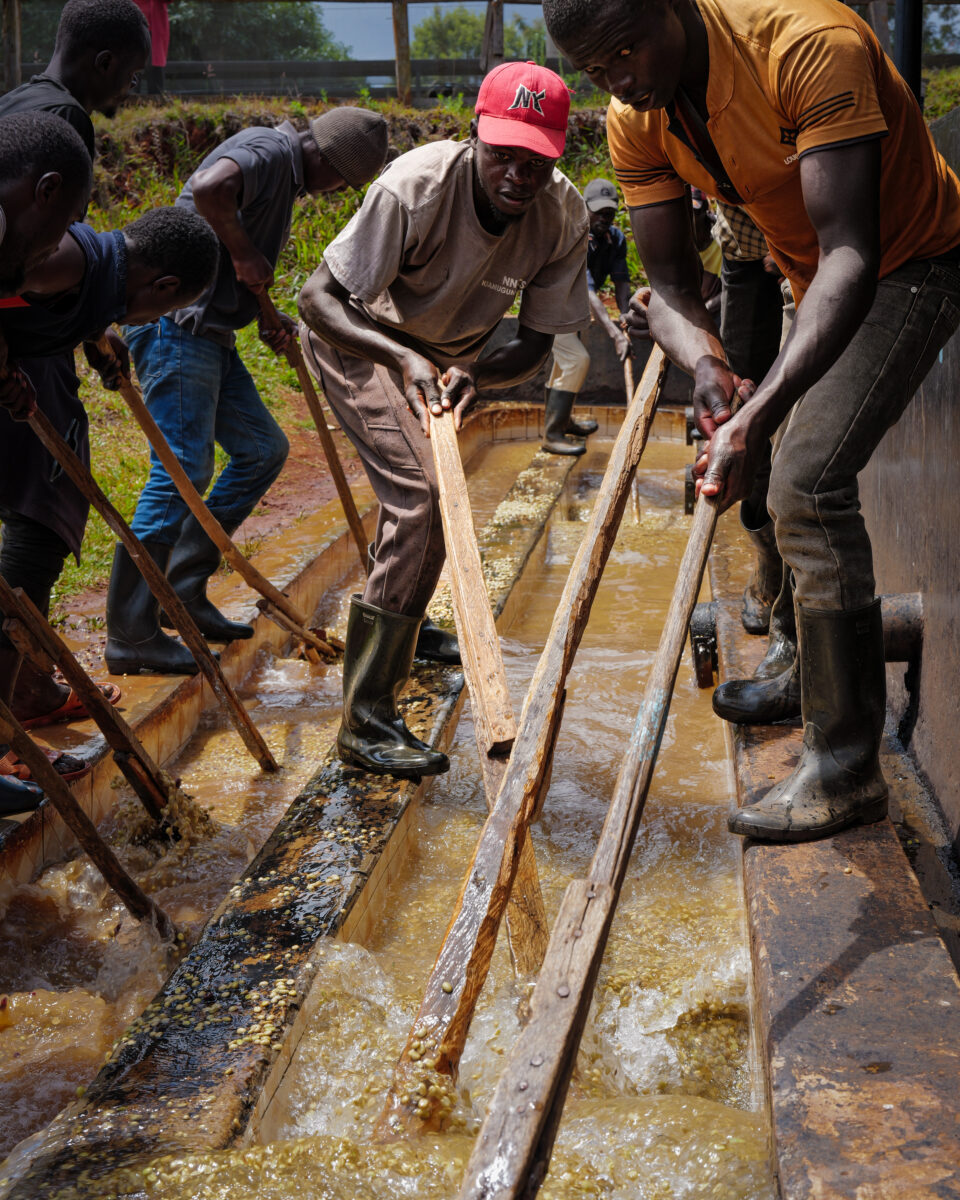
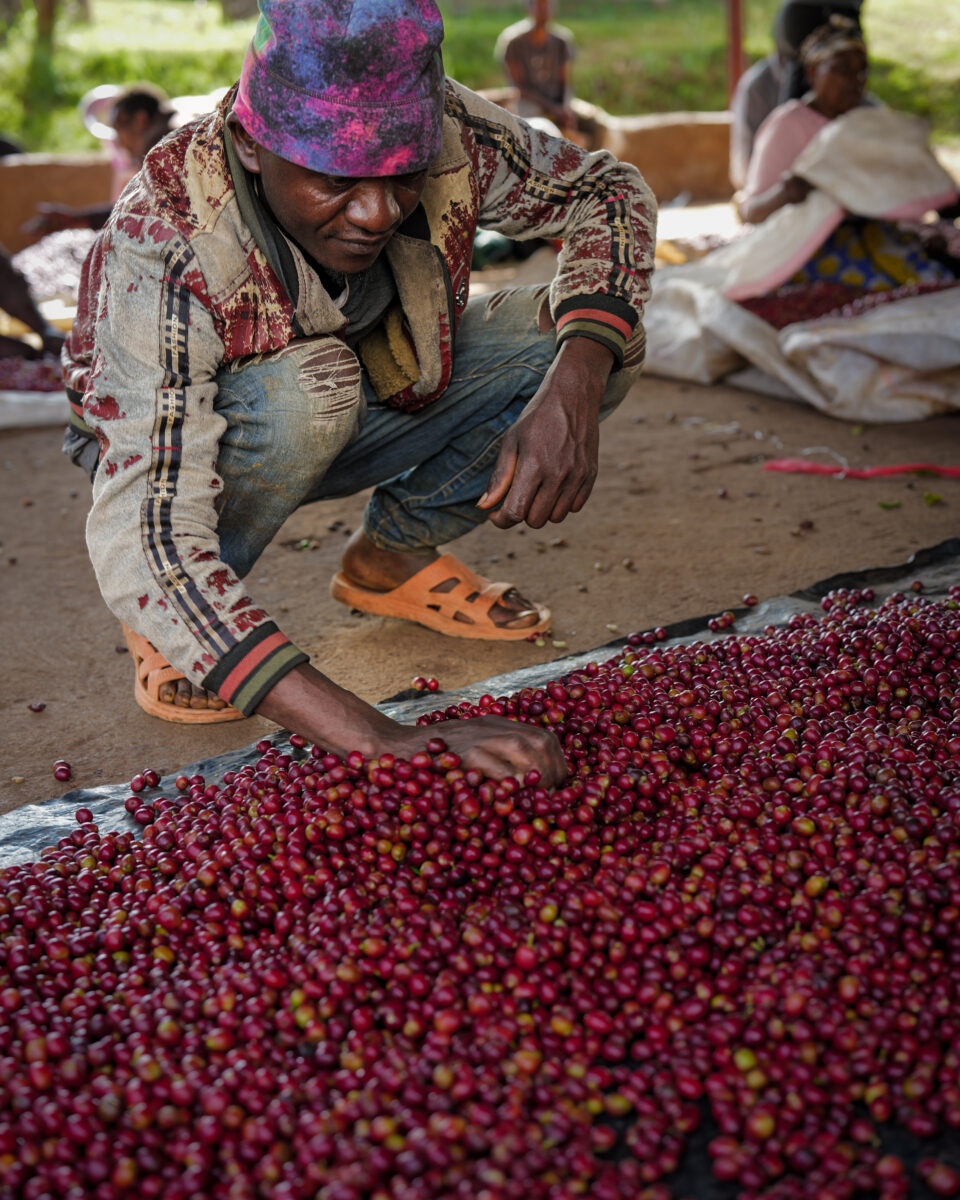
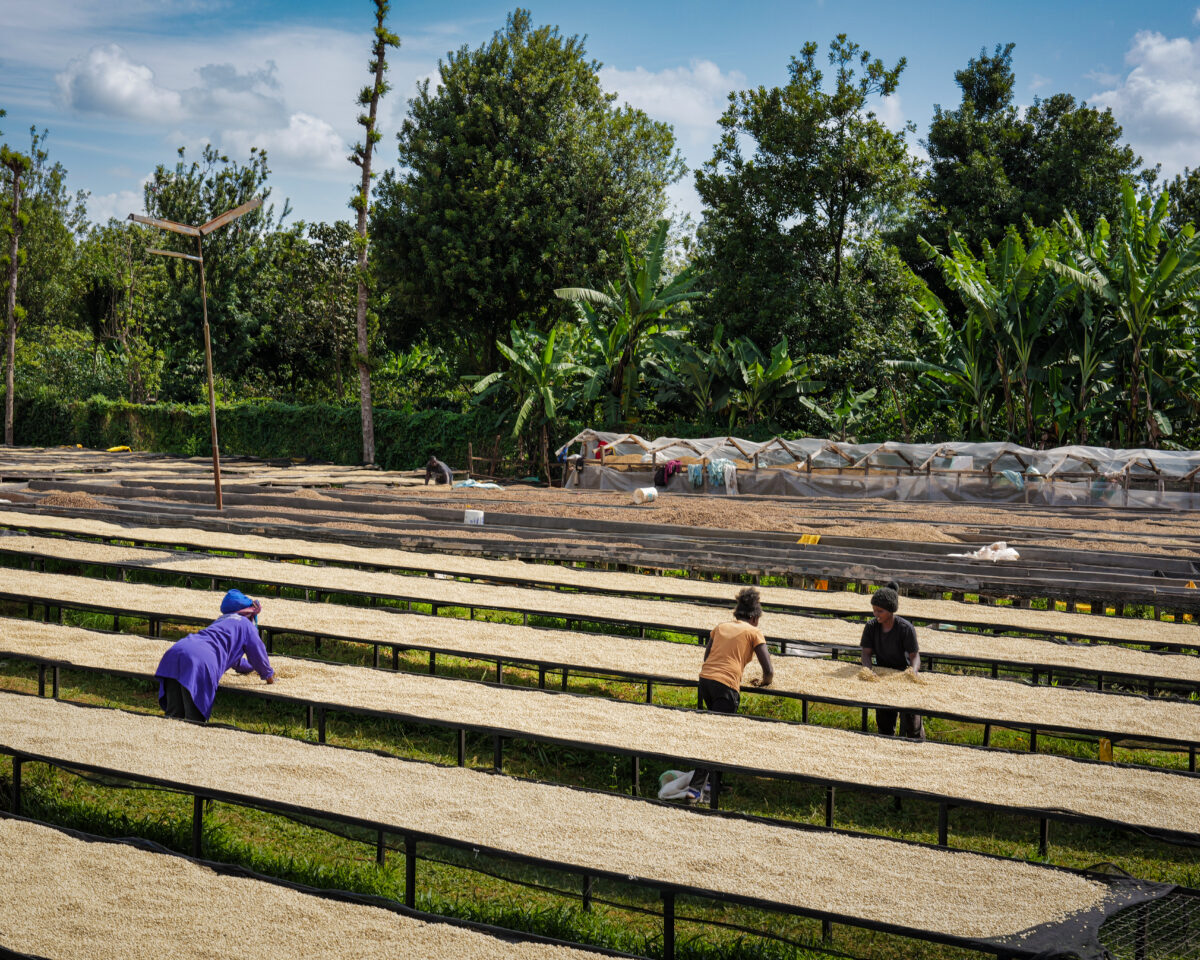
At its peak, Kenya produced over 128,000 tonnes of coffee annually. Today, output has fallen to about 40,000 tonnes, driven by long-standing structural challenges, including delayed payments, theft of coffee cherries, high production costs, governance issues in some cooperatives and declining global competitiveness.
Climate change has further worsened the situation, with erratic rainfall patterns, prolonged dry spells and rising temperatures disrupting flowering cycles and reducing yields across major coffee-growing zones. For many farmers, the crop had become unsustainable.
“Coffee had become too uncertain. You could work for a whole year and still wait months to be paid,” said Nyeri farmer Geofrey Kariuki, who at one point considered uprooting his coffee trees for avocado farming—a trend that has spread across the central highlands.