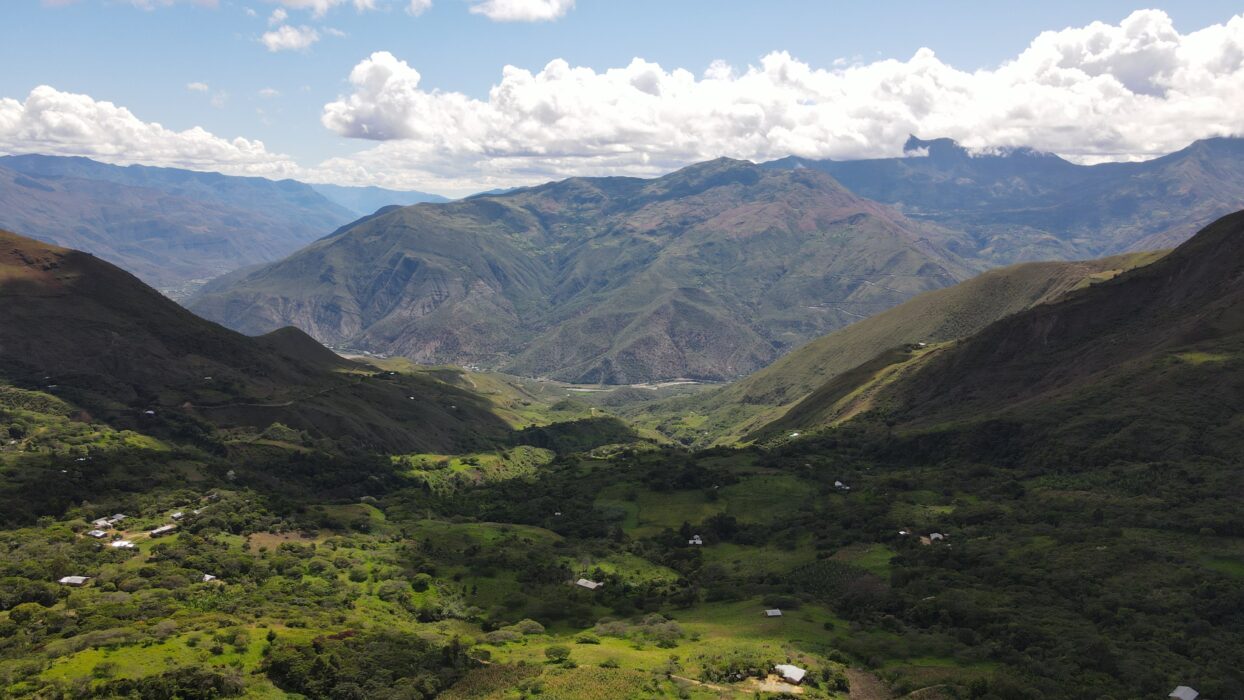
Coffee roasters around the world value Cajamarca for its remarkable versatility. From consistent specialty coffees at scale and certified supply chains to Cup of Excellence-winning micro lots, the region has become the heart of northern Peru’s coffee landscape.
Built on decades of cooperative organization and an increasingly sophisticated coffee infrastructure, Cajamarca is now entering a new phase. Research, fine varieties, emerging microregions, and greater quality differentiation are pushing the region forward.
According to USDA reports, Peru is the world’s leading exporter of organic coffee, with approximately 90,000 hectares of certified-organic production.
At the heart of this position is Cajamarca. The region produces around 22% of Peru’s coffee, making it the country’s largest coffee-producing region. Its importance becomes even more pronounced when looking at certified coffee: by August 2025, Cajamarca accounted for 48.2% of Peru’s certified coffee export volume.
Together, these figures position Cajamarca as a cornerstone of Peru’s organic coffee sector and its global leadership in organic coffee exports.
For Trabocca, Cajamarca has long been a strategic sourcing hub. Many of our relationships in Cajamarca stretch back more than 15 years. Over time, this has created a network of producers, cooperatives, and exporters that continues to develop today.
Peru is Trabocca’s second-largest origin by annual sourcing volume. Partially because the harvest calendar complements Ethiopia remarkably well. As one season gives way to the other, both origins help us maintain a fresh and diverse specialty coffee offering throughout the year.
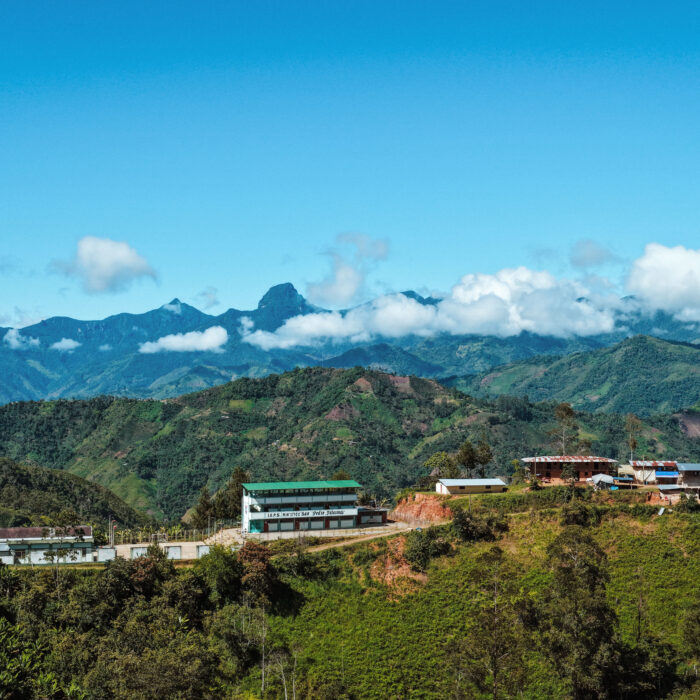
At the center of northern Cajamarca’s coffee industry lies the booming city of Jaén.
Surrounded by producing districts, the city occupies a strategic position in a broad valley between the mountains. Coffee moves from remote farms and communities toward Jaén before continuing west to the coast and the port of Paita.
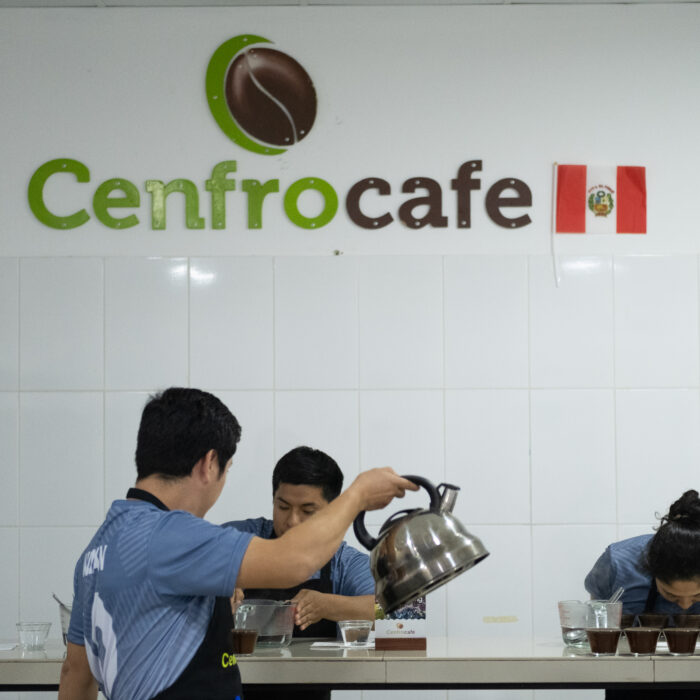
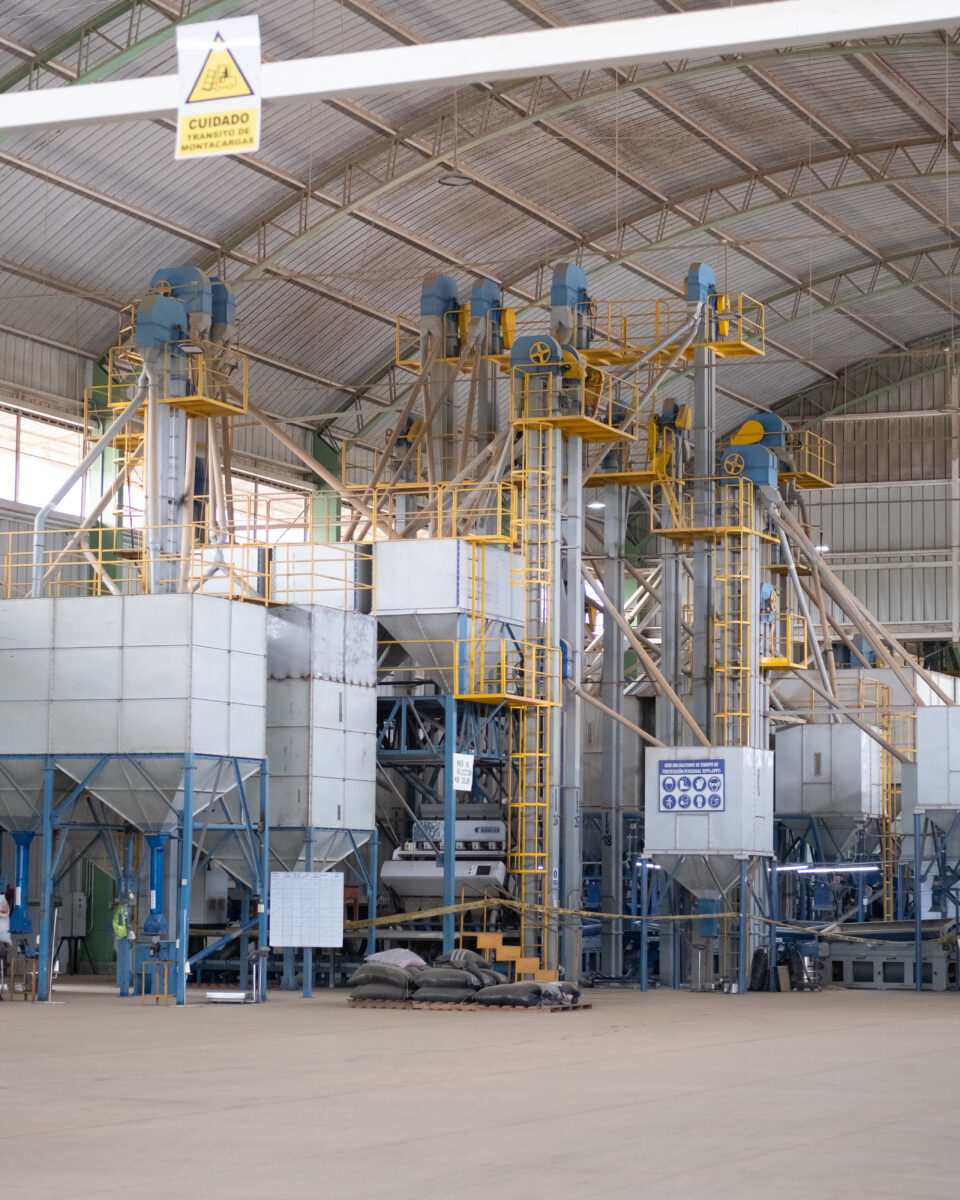
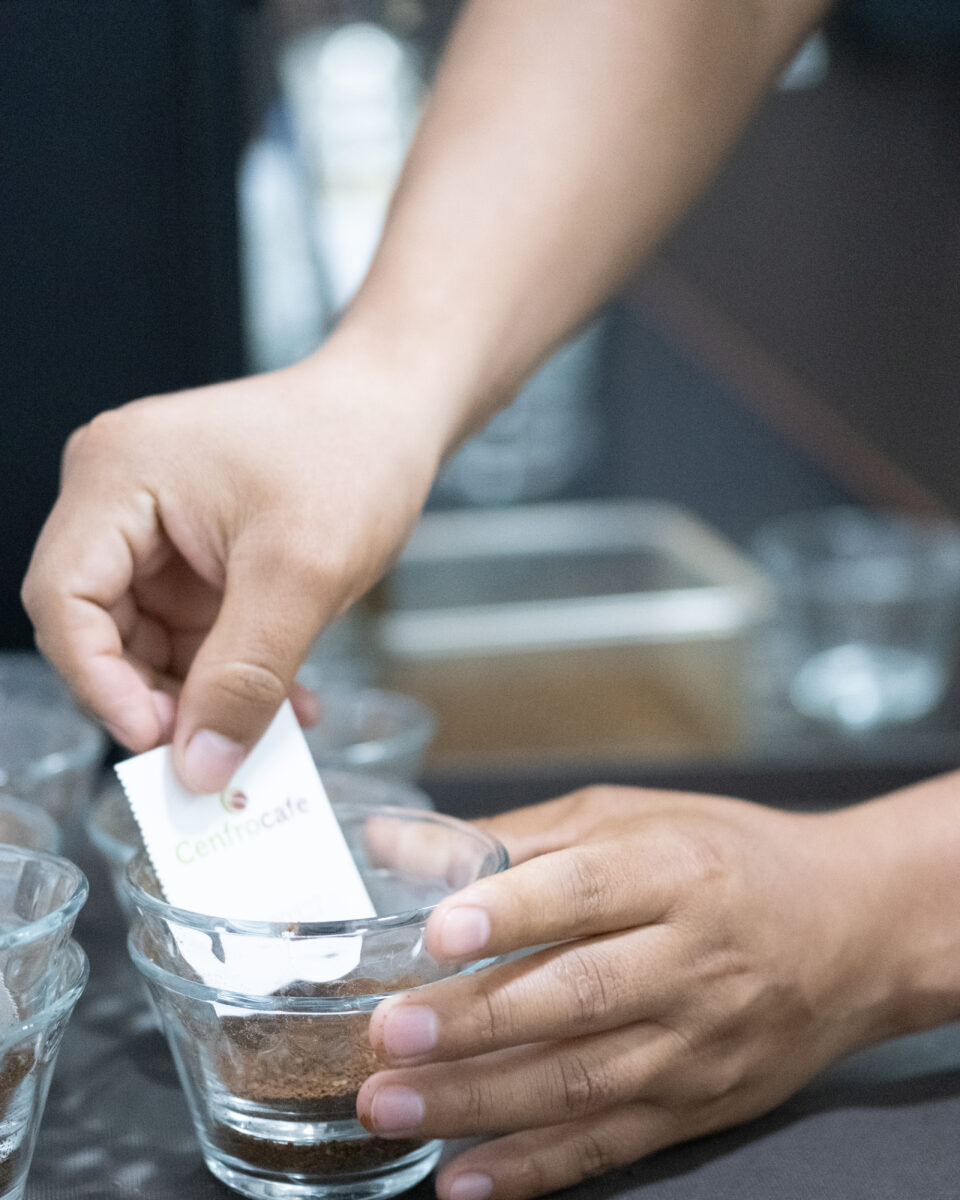
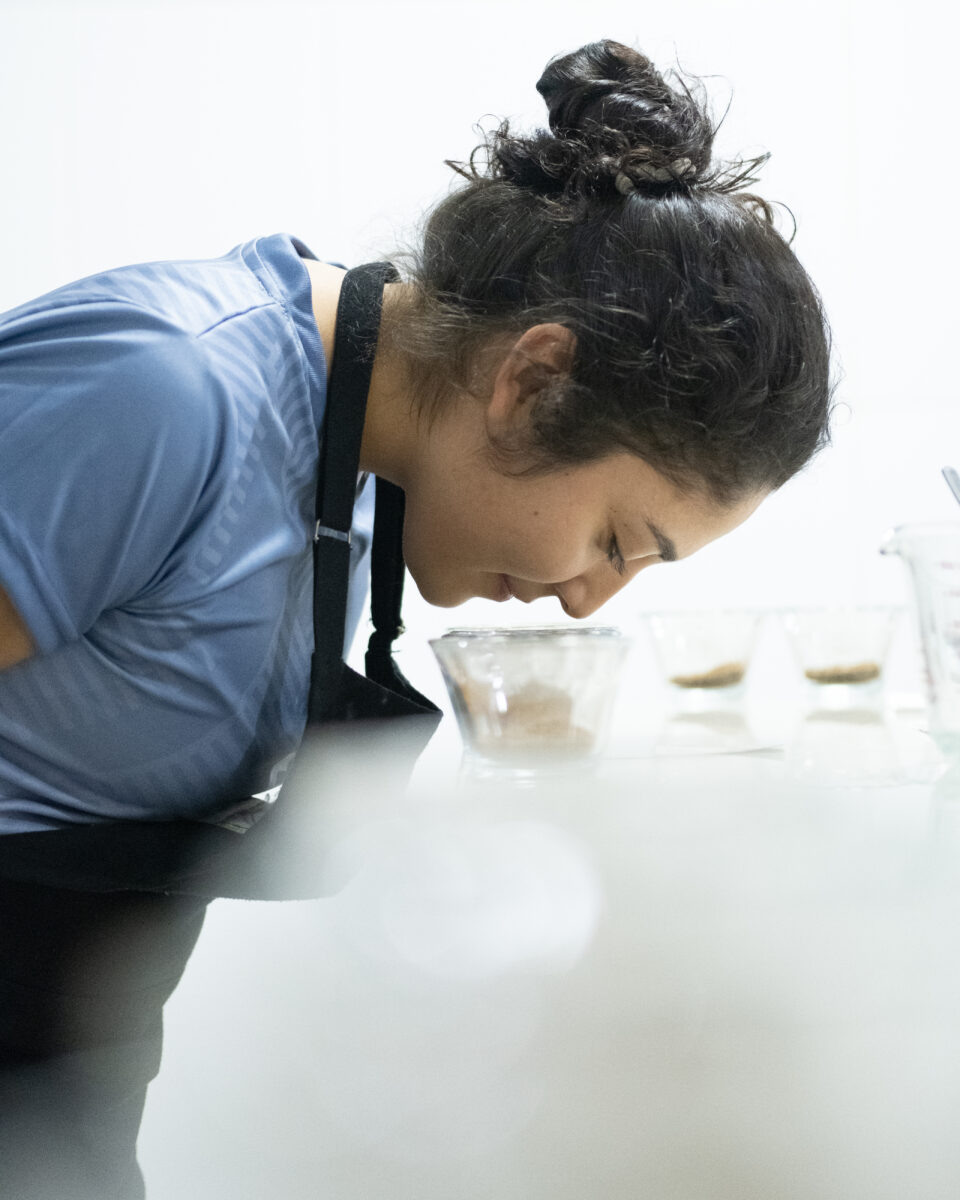
The importance of coffee is visible throughout the city. Dry mills, warehouses, cooperative offices, exporters, and cupping labs form an increasingly sophisticated network around the trade.
With the rise of specialty coffee, Jaén itself has evolved. Universities with a growing focus on agriculture and coffee, alongside dedicated research centers, are investing in the future of the sector.
At the same time, exporters have built an extensive network of dry mills, warehouses, cupping labs, and other essential coffee infrastructure.
Together, these developments are turning Jaén into more than a commercial coffee center. The city is becoming a hub for coffee knowledge, innovation, and a growing community of coffee professionals.
Peru’s world-renowned cuisine tells a story of diversity. Exceptional produce, generations of farming knowledge, and a rich mix of cultural influences have created a food culture unlike almost anywhere else. From deeply rooted Andean traditions to the Japanese influences of Nikkei cuisine and the Chinese heritage behind Chifa.
Much of that diversity begins with the land. Peru’s dramatic geography creates an extraordinary patchwork of climates, altitudes, soils, and ecosystems. Allowing a remarkable variety of crops to thrive. Coffee is no exception.
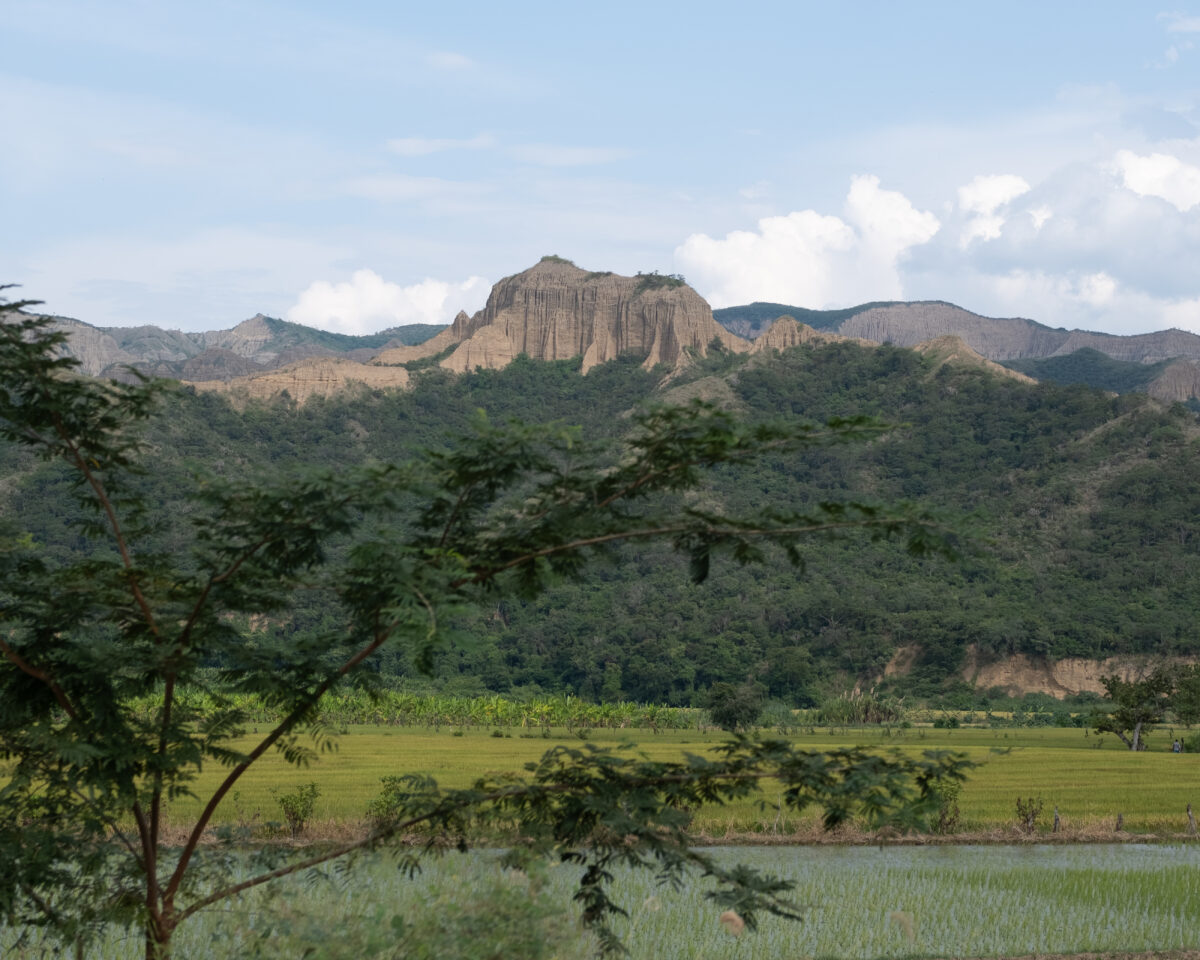
Across the Andes, even neighboring valleys can differ significantly in altitude, rainfall, temperature, vegetation, and sun exposure. In Cajamarca, this mosaic of microclimates creates the conditions for coffees with remarkably diverse profiles and characteristics.
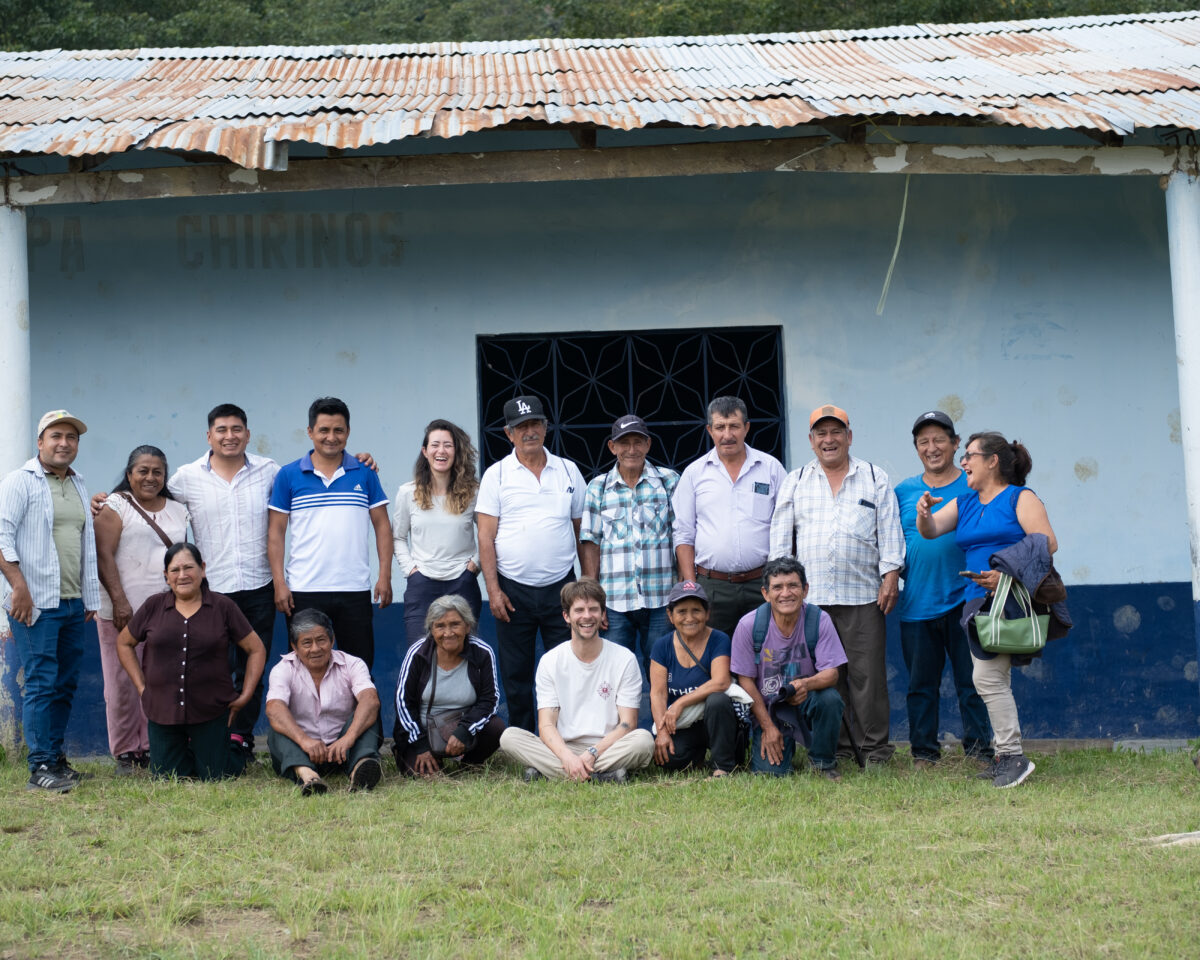
As a result, individual districts and micro-regions are increasingly developing distinct identities within Peru’s specialty coffee landscape. Huabal in Jaén, and Chirinos and Tabaconas in San Ignacio, have become some of the country’s most sought-after coffee origins.
Further south, Callayuc in Cutervo is emerging as a new area to watch. Younger cooperatives and producers, including Aromas del Valle and Finca Churupampa, are helping bring greater visibility to the region and its unique coffee profiles.
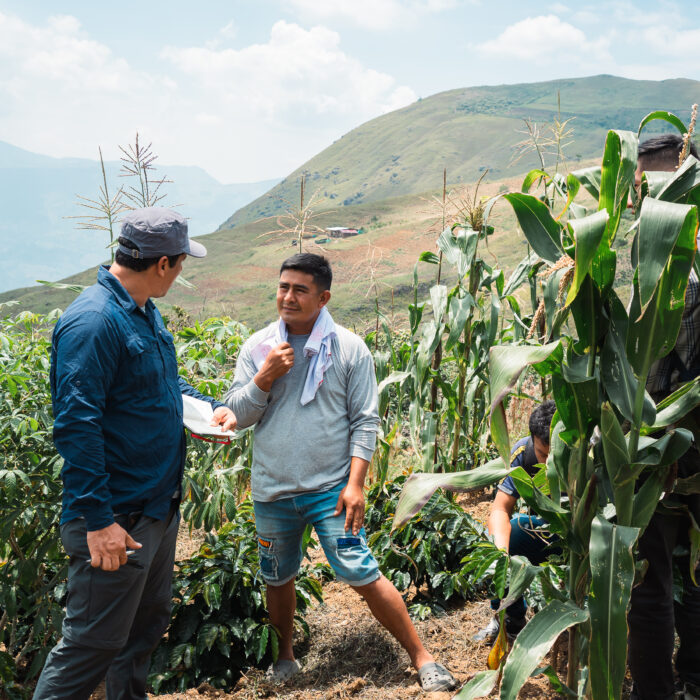
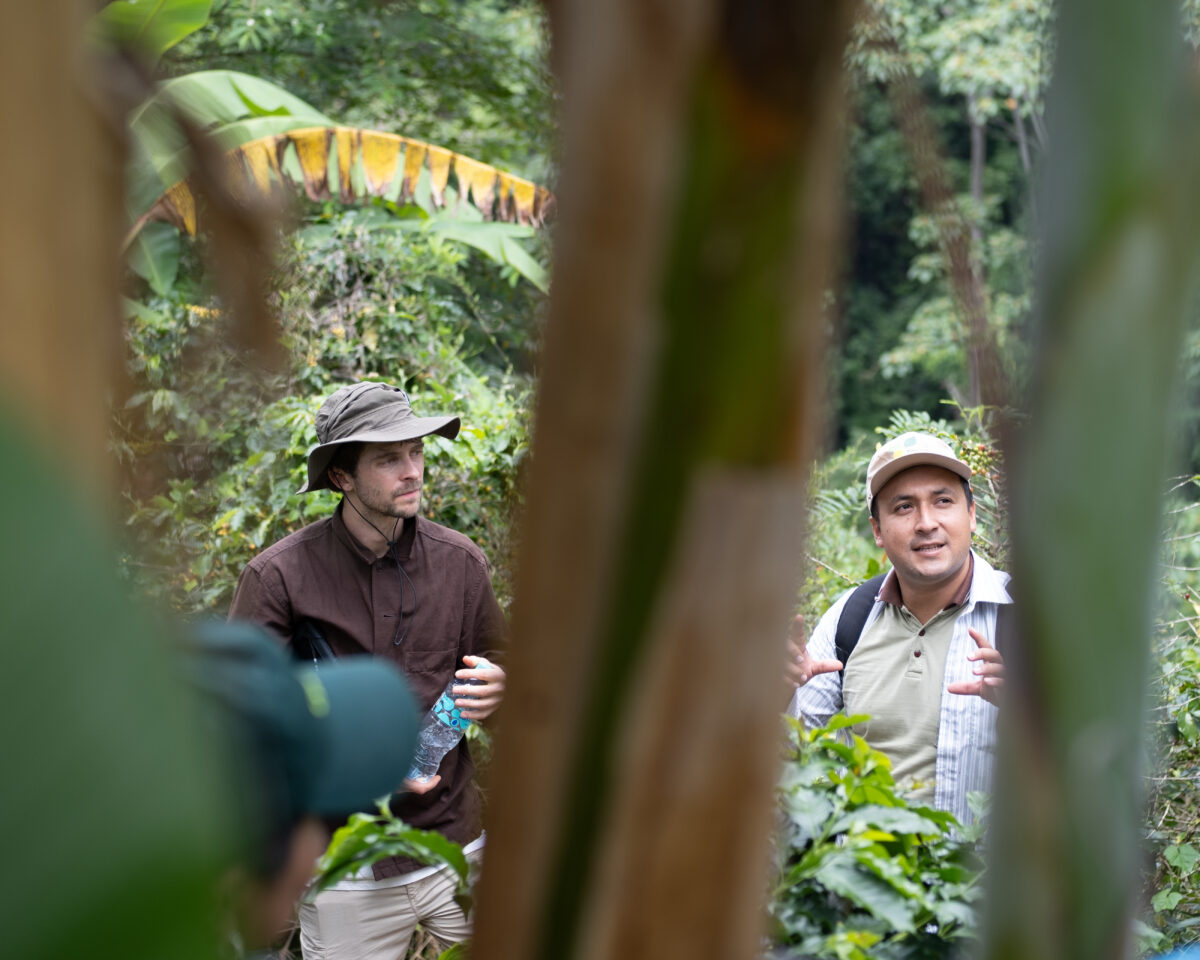
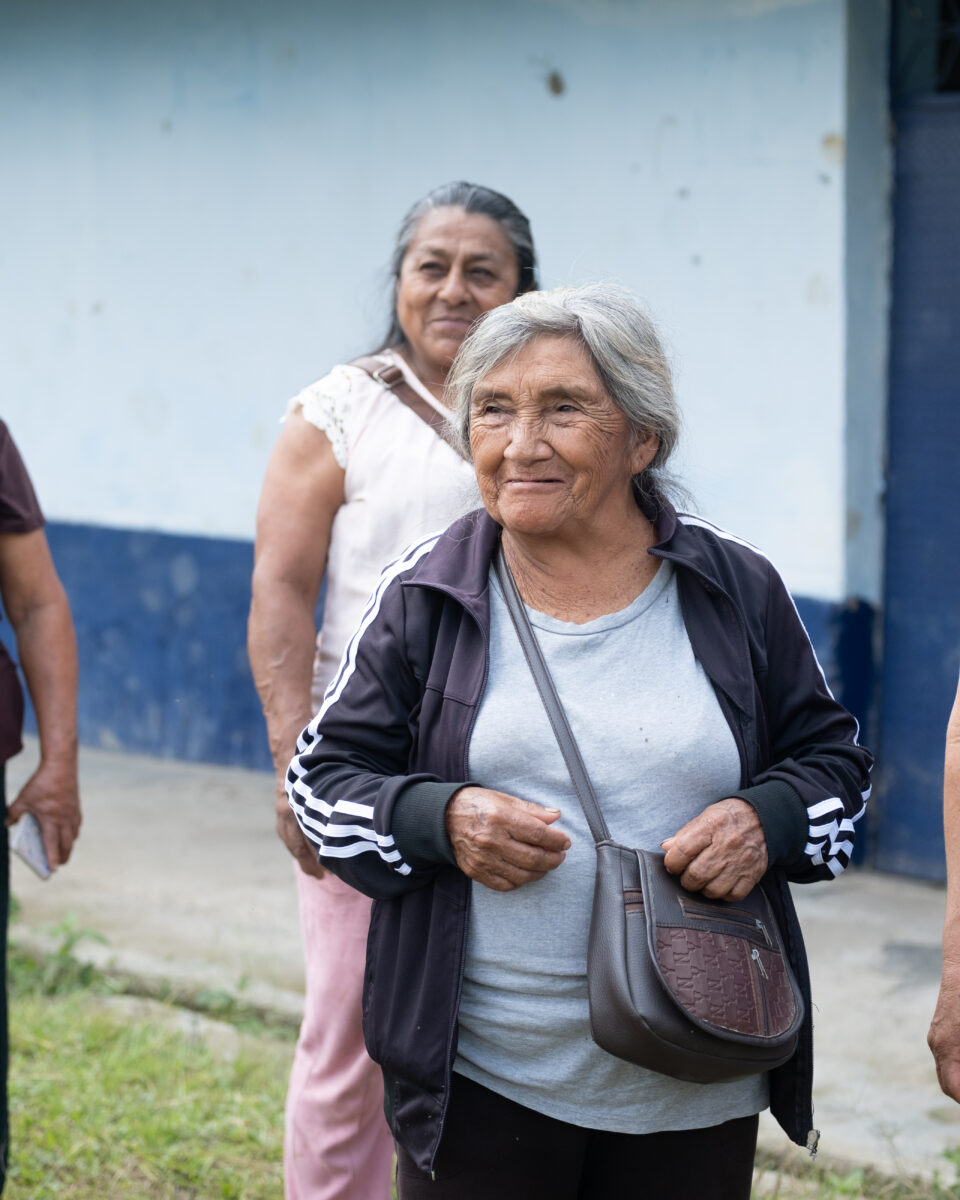
Smallholder producers form the foundation of Cajamarca’s coffee economy. Most families cultivate just a few hectares of land, often on steep mountain slopes where coffee is grown alongside food crops, fruit trees, and shade forests.
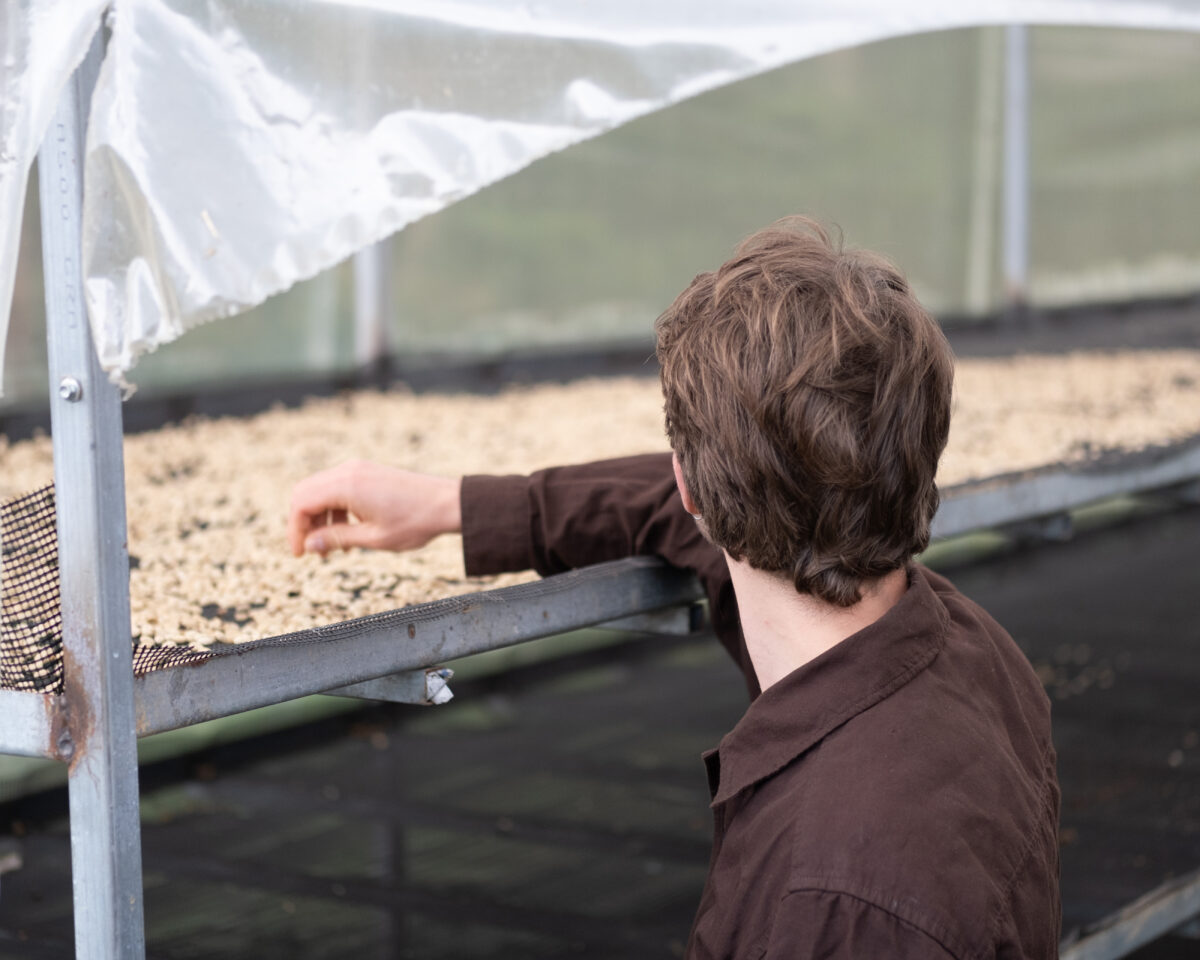
However, growing great coffee is only the beginning. Once harvested, cherries must be collected, processed, evaluated, financed, traced, certified, prepared for export, and transported.
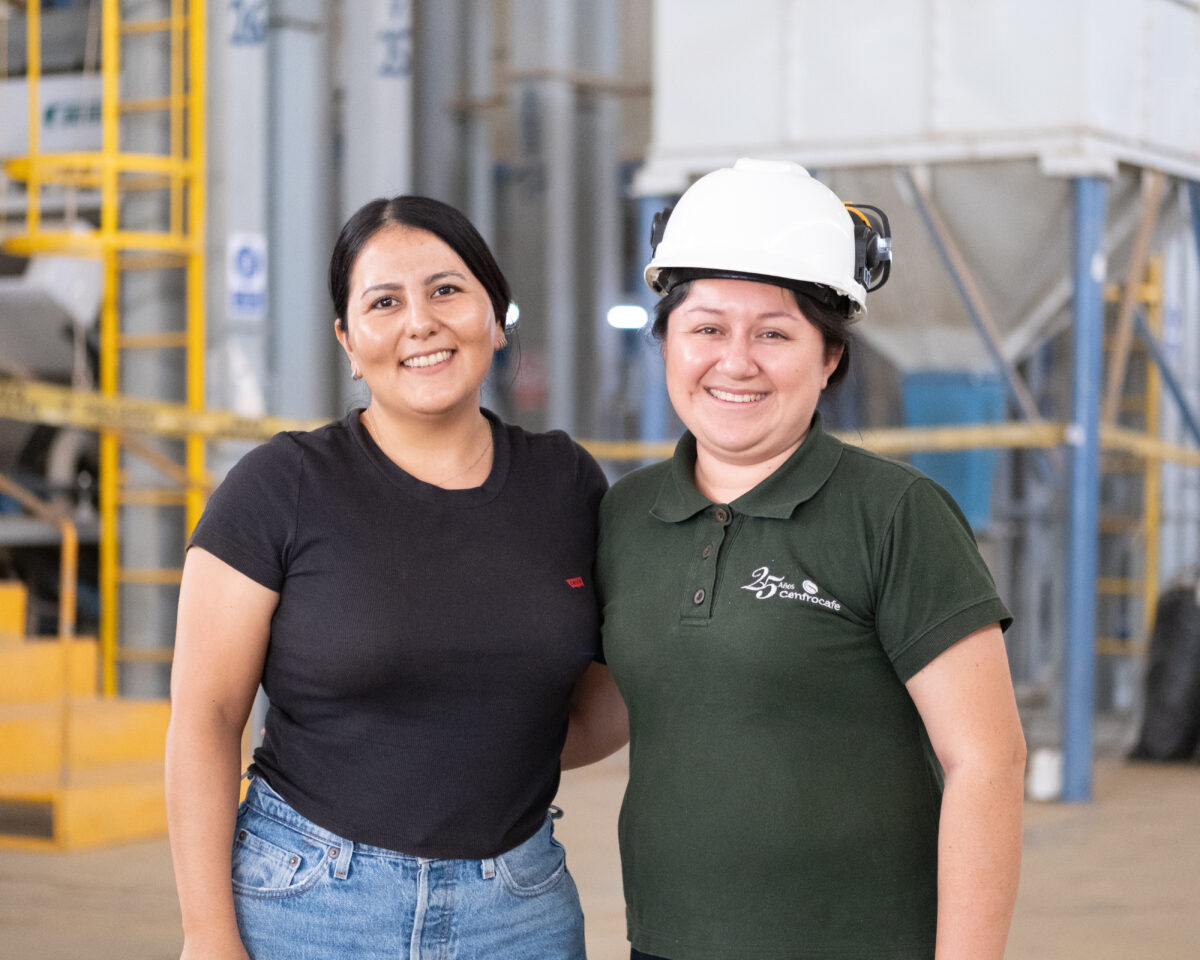
This is where cooperatives show their real strength: providing infrastructure, processing facilities, financing, agronomical support, volume aggregation, and access to international markets. Cenfrocafe, a cooperative established in 1999, is a prime example. Its development reflects the wider growth of Cajamarca’s cooperative coffee sector.
When they built their dry mill in Jaén, Cenfro paved the way for thousands of smallholder producers to connect with international markets. Today, the facility acts as a key piece of regional infrastructure, also processing coffee for several other emerging cooperatives.




At farm level, many practices associated with organic agriculture are closely aligned with the traditional Andean smallholder lifestyle. Coffee is often grown alongside food crops, fruit trees, shade species, and native vegetation, creating diversified farm systems that support both household food security and ecological balance.
As a result, Peru has built an important position in the international market for organic coffee, and Cajamarca sits at the center of the country’s certified coffee economy.
Across the region, organizations are increasingly investing in farm renovation, soil fertility, composting, and the more efficient use of local resources. These efforts strengthen both productivity and environmental resilience.
Finca Churupampa, for example, produces its own organic fertilizers by combining pulped cherry with mineral and organic inputs, processed into granules. In collaboration with the La Molina University in Lima, the cooperative has developed a fertilizer that is more affordable than conventional chemical inputs, while remaining effective and easy to apply.
Through initiatives like this, exporters and cooperatives actively strengthen sustainable farming practices at farm level, ensuring that environmental and agronomic standards are continuously improved rather than merely maintained through certification.
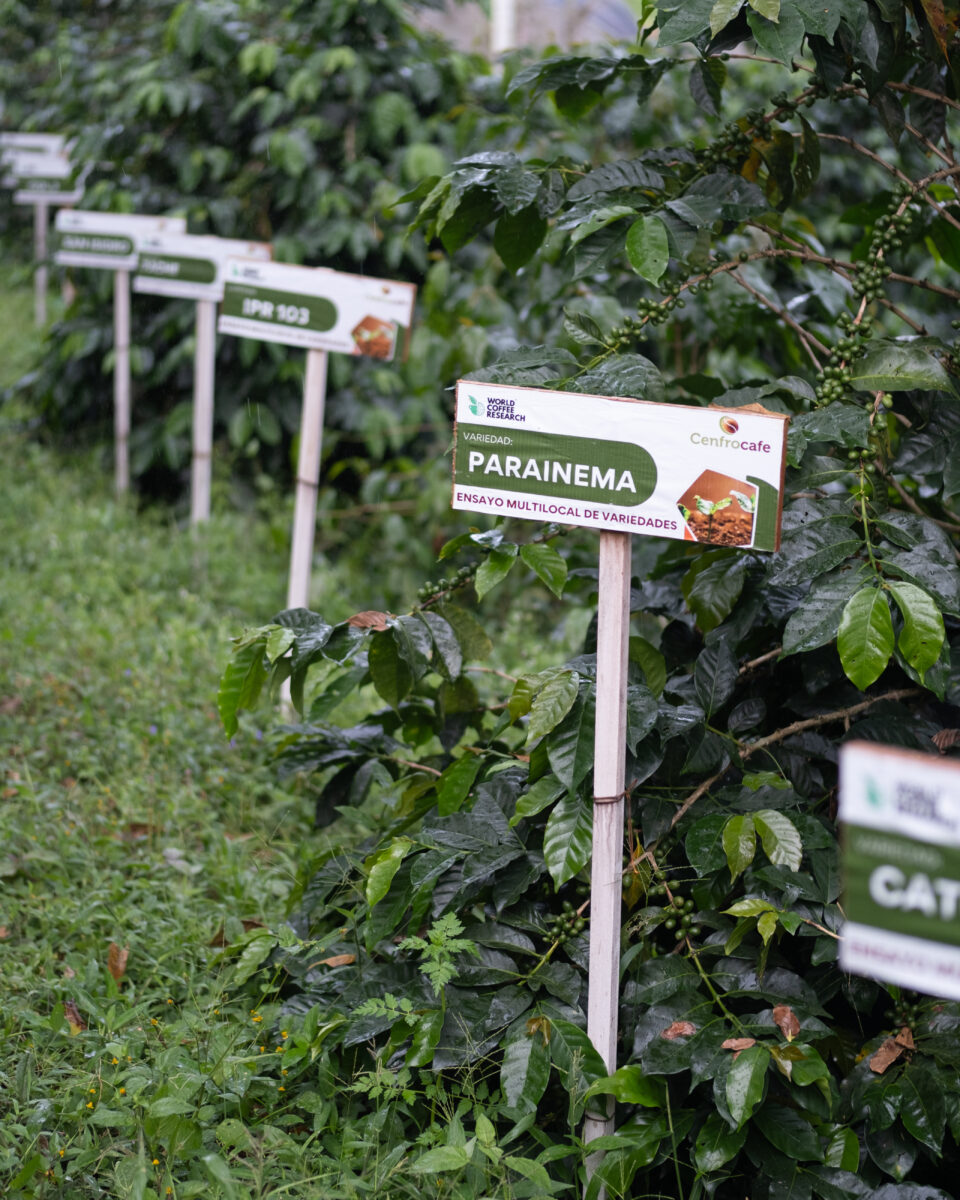
In collaboration with World Coffee Research, Cenfro established its research center at Finca Cruz de Chalpon in San Ignacio.
Here, a wide range of coffee varieties is being evaluated for their adaptability. Thirty-two varieties from countries such as Colombia, Brazil, and Kenya are cultivated under identical management conditions to assess their performance. The best-performing varieties are then expanded into larger plots for practical application. In addition, research into grafting techniques is being carried out.
Beyond the research trials, the site also hosts an extensive seedling nursery, producing around 2,000,000 seedlings annually. In this way, Cruz de Chalpon turns questions about the future of Peruvian coffee into practical fieldwork.
For years, varieties such as Catimor, Caturra, Typica, and Bourbon have shaped much of Cajamarca’s coffee landscape. While these remain a cornerstone of Peru’s coffee production, newly renovated plots are gradually transitioning.
While Geisha, Pacamara, and Maragogype are continuously introduced in small, high-altitude plots, cultivars such as Marsellesa, Parainema, Tabi, or H1 are often selected for larger plots. These varietals excel in productivity and resilience, while reliably producing exceptional cup quality.
Producers from the region have reached the top positions in Peru’s Cup of Excellence on several occasions. Cajamarca coffees took first place in 2019, 2022, 2024, and again in 2025.
These results demonstrate what can happen when exceptional growing conditions meet careful farm management, variety selection, processing, and quality separation.
However, competition coffees represent only the peak of a much broader movement.
Across Cajamarca, the same focus on differentiation is helping more producers move from anonymous volumes toward regional lots, community selections, and individual micro-lots.
Where coffees from neighboring Amazonas show a relatively consistent cup profile across the region, Cajamarca reveals a much wider range of expression.
This diversity comes from sharp changes in elevation, shifting microclimates from humid valleys to cooler high-altitude slopes, and a mix of varieties, processing methods, and farm practices.
As a result, coffees range from crisp and bright with pronounced acidity and fresh fruit, to floral and delicate, or rounder profiles with chocolate and sweetness.
For Trabocca, this versatility has made Cajamarca a strategic sourcing region for more than 15 years, with long-standing relationships, a broad network of onboarded suppliers, and continuous innovation and development across the region.
Yet despite this long history, Cajamarca is far from static. Emerging regions, new varieties, and research are constantly reshaping the area. From clean cups and certified volumes to outstanding micro-lots Cajamarca is the place to discover great Peruvian coffee.