Hidden behind the eastern Andes, Amazonas remains one of Peru’s least explored coffee regions. It is home to cloud forests, ancient civilizations, and deeply connected coffee communities. At the heart of the region, Rodríguez de Mendoza is becoming one of Peru’s most exciting hubs for specialty coffee.
While neighboring Cajamarca has long held a place on the global specialty coffee map, Amazonas is only beginning to reveal its potential. Rich biodiversity, strong cooperative networks, fertile mountain landscapes, and a growing focus on quality make it one of Peru’s most promising coffee frontiers.
One of the best ways to understand Amazonas is to experience how difficult it is to reach.
The easiest route begins with a flight from Lima to Chachapoyas, the capital of Peru’s Amazonas Region. The city also serves as a cultural gateway to the region’s cloud forests and archaeological treasures. However, mountain weather can change quickly. Flights may be delayed or cancelled.
As an alternative, many visitors fly to Chiclayo on Peru’s northern coast or Tarapoto, the hub of neighboring department San Martín. From there, the journey continues by road for more than ten hours across the Andes.
Those arriving via Chachapoyas are rewarded almost immediately. The city’s colonial plazas, relaxed atmosphere, and excellent coffee make it a charming place to spend a day before continuing into the mountains.
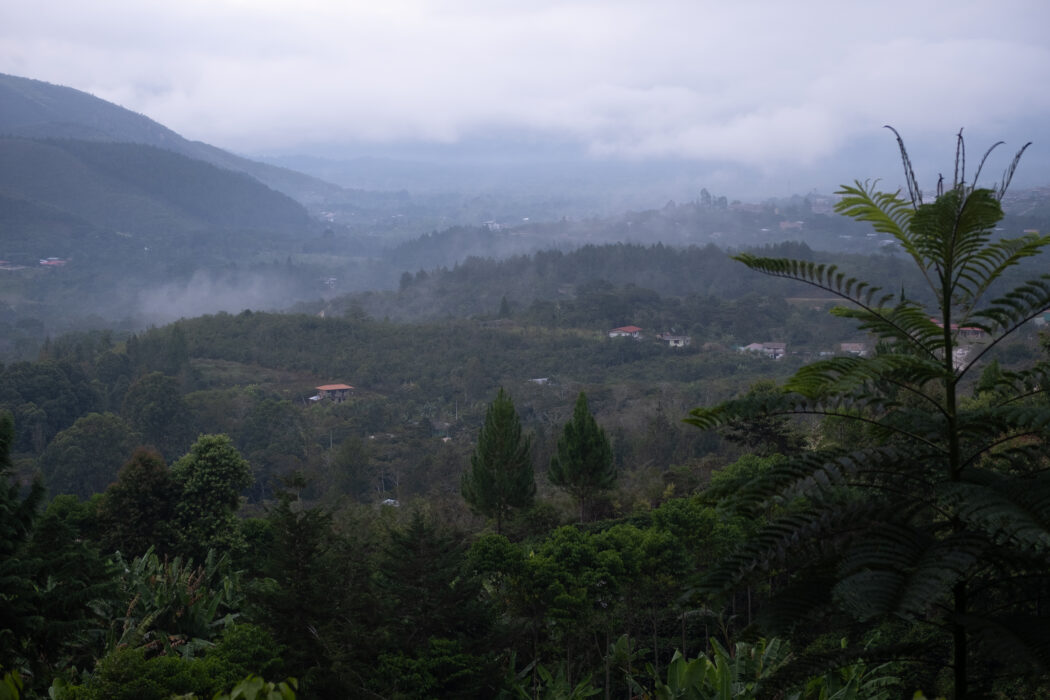
From there, the journey continues for another three hours along winding mountain roads. Around every bend, new views open across valleys covered in cloud forest. Eventually, the road descends into the hidden paradise of Rodríguez de Mendoza.
Long before coffee arrived, these mountains were home to the Chachapoya civilization.
One of their greatest legacies is Kuélap, an immense fortified settlement perched high above the surrounding valleys. It is often referred to as the Machu Picchu of the North. Built between the sixth and sixteenth centuries, Kuélap’s enormous stone walls enclosed hundreds of circular structures. From its high position, the settlement overlooked the same cloud forests that continue to define Amazonas today.
Living high above the valleys offered more than breathtaking views. It provided protection from flooding and strategic oversight across the mountains. According to local beliefs, the elevated position also brought people closer to the gods.
The Chachapoya became known as the Warriors of the Clouds (“Los Guerreros de las Nubes”), a name that still perfectly captures the atmosphere of this remarkable landscape. Today, visitors can reach Kuélap by cable car from nearby Chachapoyas, making it one of Peru’s most spectacular archaeological sites and a must-see when visiting Amazonas.
Rodríguez de Mendoza lies along the eastern slopes of the Andes. Here, humid air rises from the Amazon Basin and condenses into near-constant cloud cover. As a result, morning mist blankets the valleys throughout much of the year. Humidity remains high even during the dry season.
Across the region, producers cultivate coffee from roughly 1,200 to more than 2,000 meters above sea level. Moderate temperatures and slower cherry maturation create strong potential for expressive cup profiles.
The Andes created far more than dramatic scenery. Over millions of years, tectonic uplift formed mineral-rich mountain landscapes that, together with continuous layers of decomposing forest vegetation, produced deep and fertile soils ideal for agriculture.
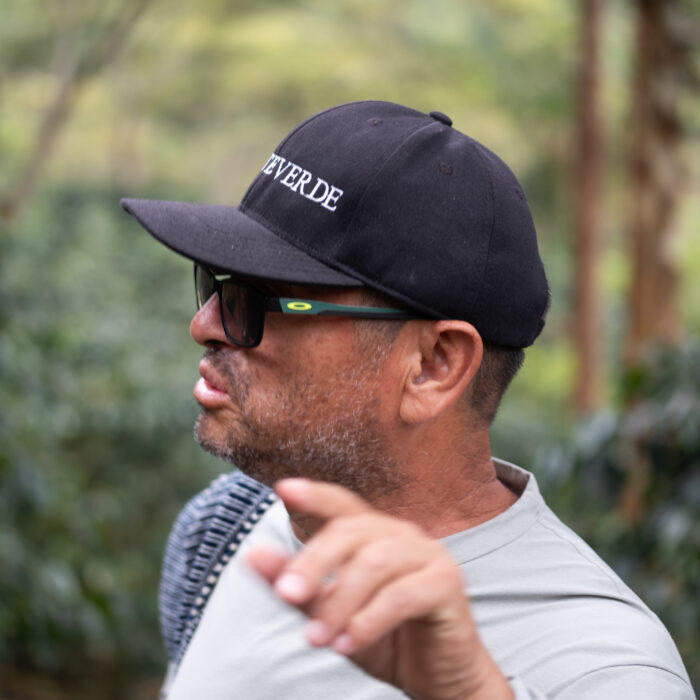
One of the best examples we encountered was Finca Timbuyacu, Monteverde’s model farm. Walking through the property immediately revealed what healthy coffee soils should look like. Rich, dark earth remained cool and moist beneath dense shade trees, while the air carried the earthy scent of wet wood, fresh grass, and forest vegetation.
Even more impressive was the scale of organic compost production. Coffee pulp, livestock manure, and other organic materials are continuously transformed into nutrient-rich compost. Producers then return this material to the fields.
Throughout Amazonas, we encountered remarkably healthy farming systems. Finca Timbuyacu stood out as a prime example of how closely coffee cultivation remains connected to the surrounding ecosystem.
At the same time, these mountains create serious logistical challenges.
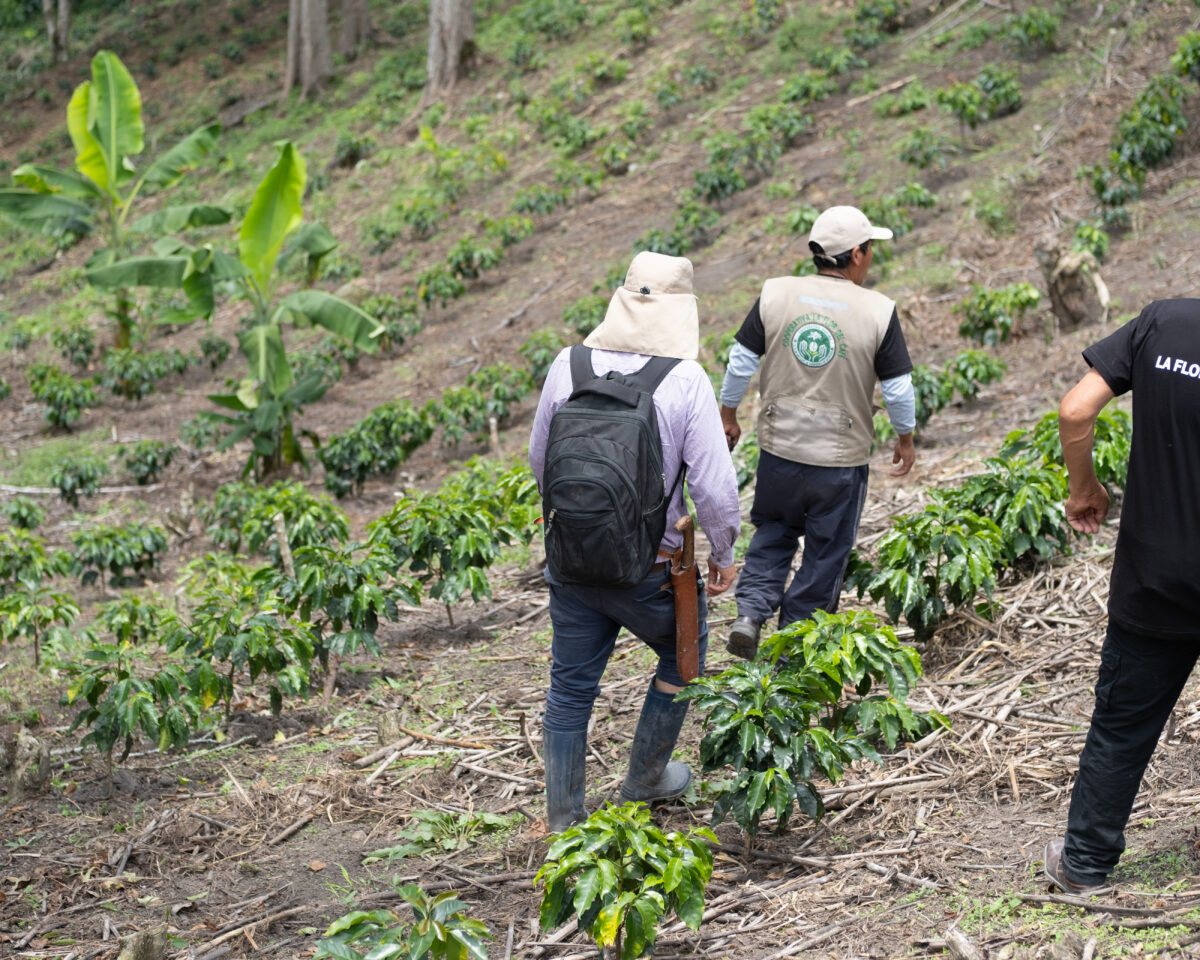
Many farms sit on steep hillsides, where producers pick every cherry by hand. Maintaining coffee plots requires significant physical effort. Transport can be equally difficult. Moving harvested cherries or parchment coffee often means travelling for hours before reaching the nearest collection center.
Consequently, well-organized cooperatives become far more than coffee buyers. They provide the infrastructure that allows smallholder producers to participate in international specialty markets.
Coffee in Amazonas is organized around community.
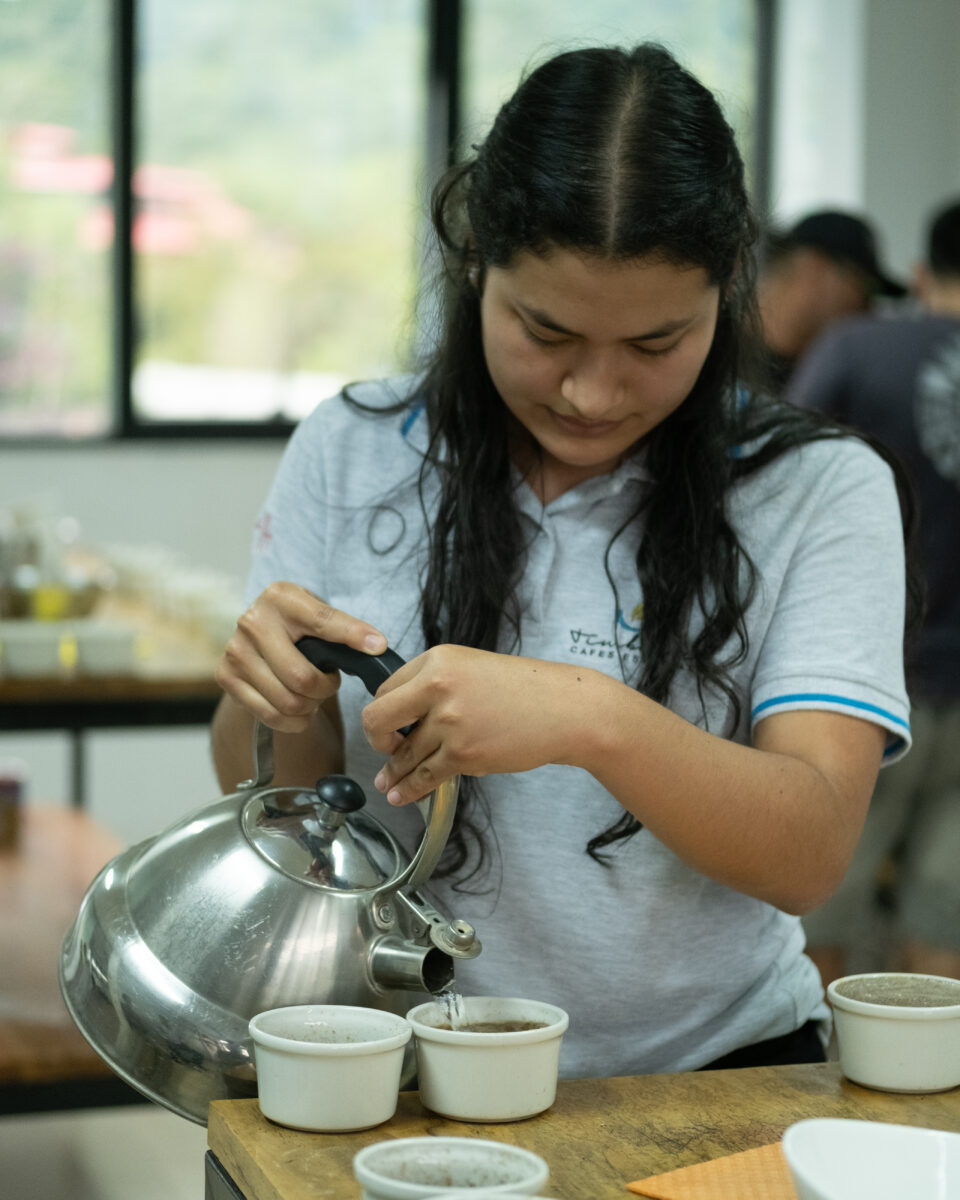
Rather than simply purchasing coffee, cooperatives support producers in many areas. Their work includes technical assistance, certification management, access to finance, farm renovation, seedling distribution, quality training, traceability, and environmental projects. In many villages, they have become the backbone of local development.
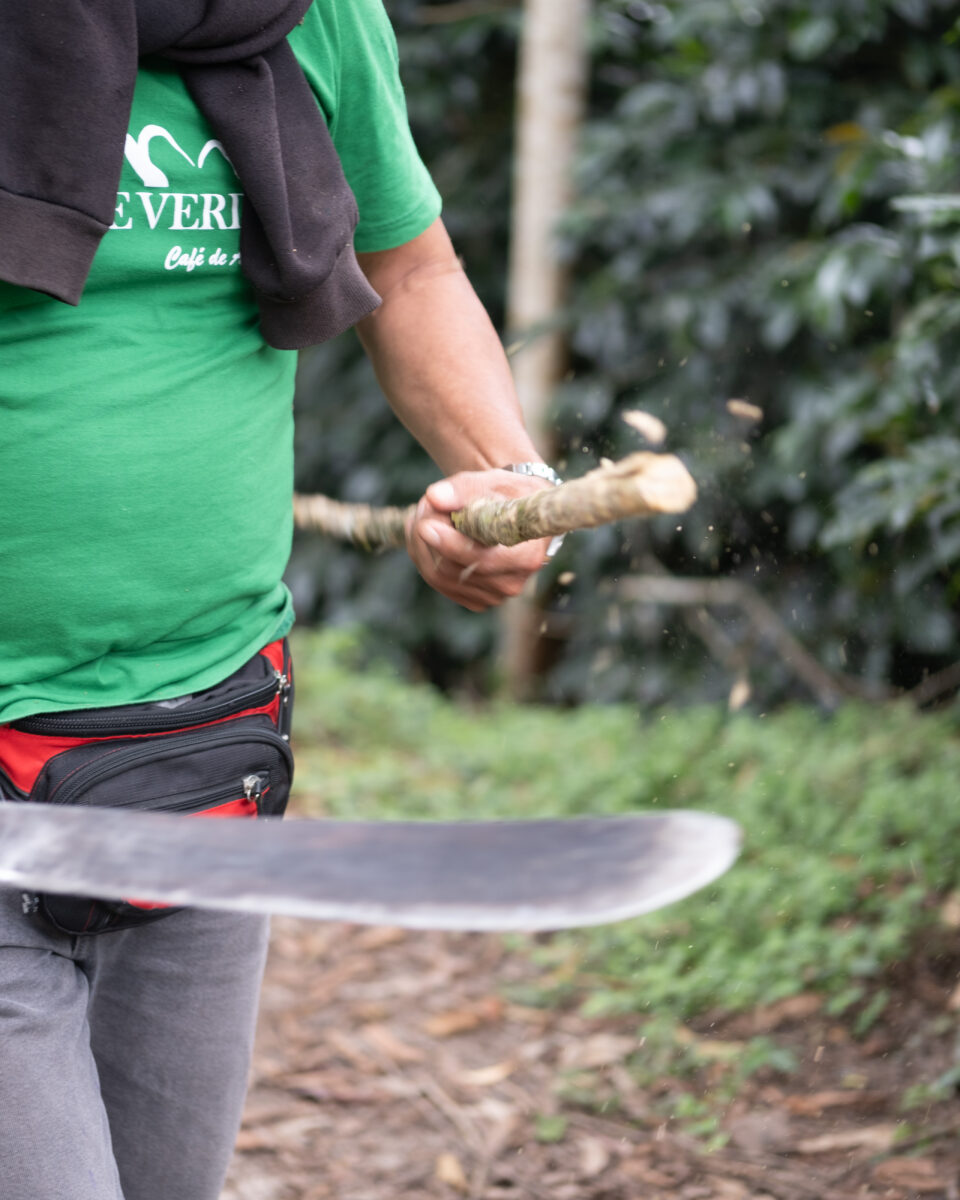





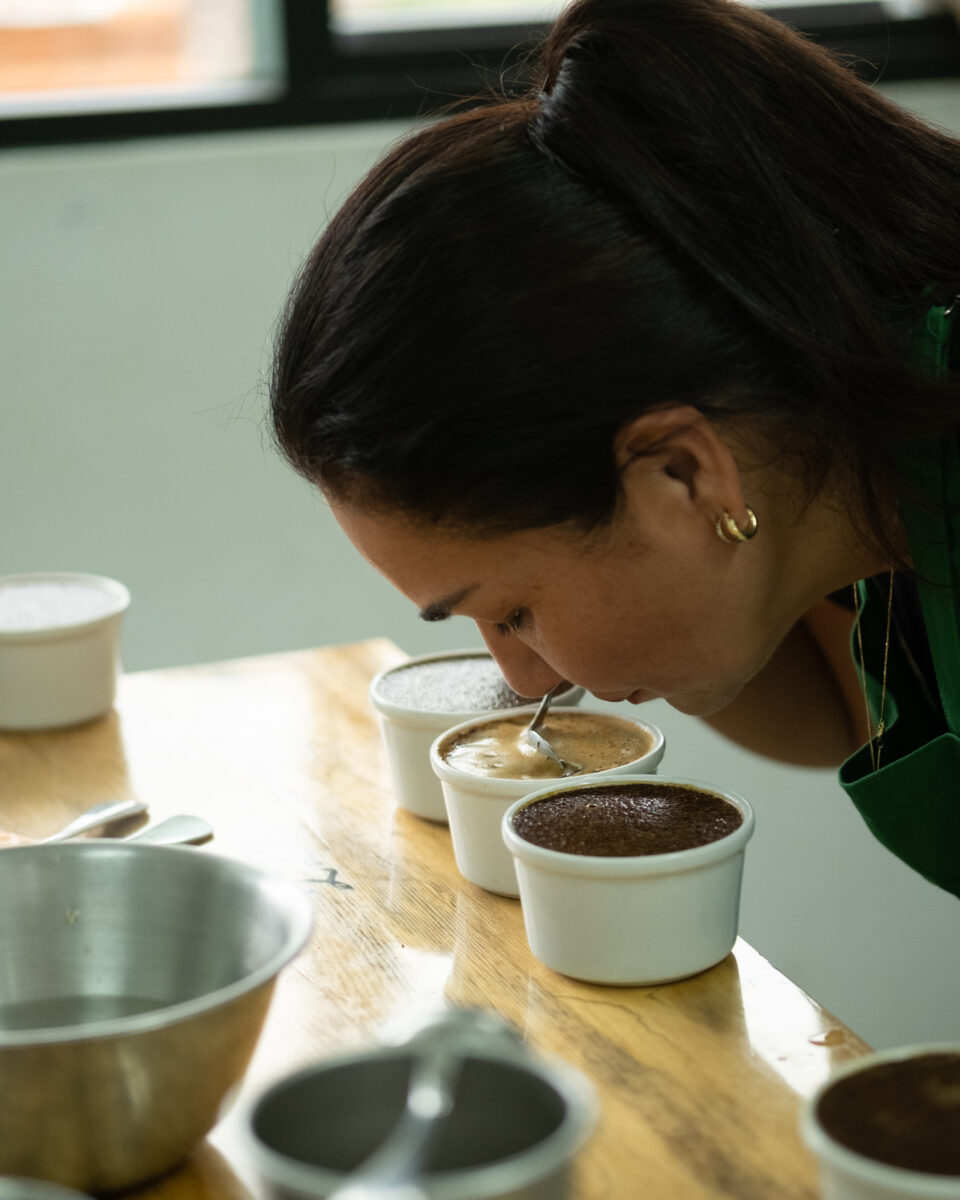
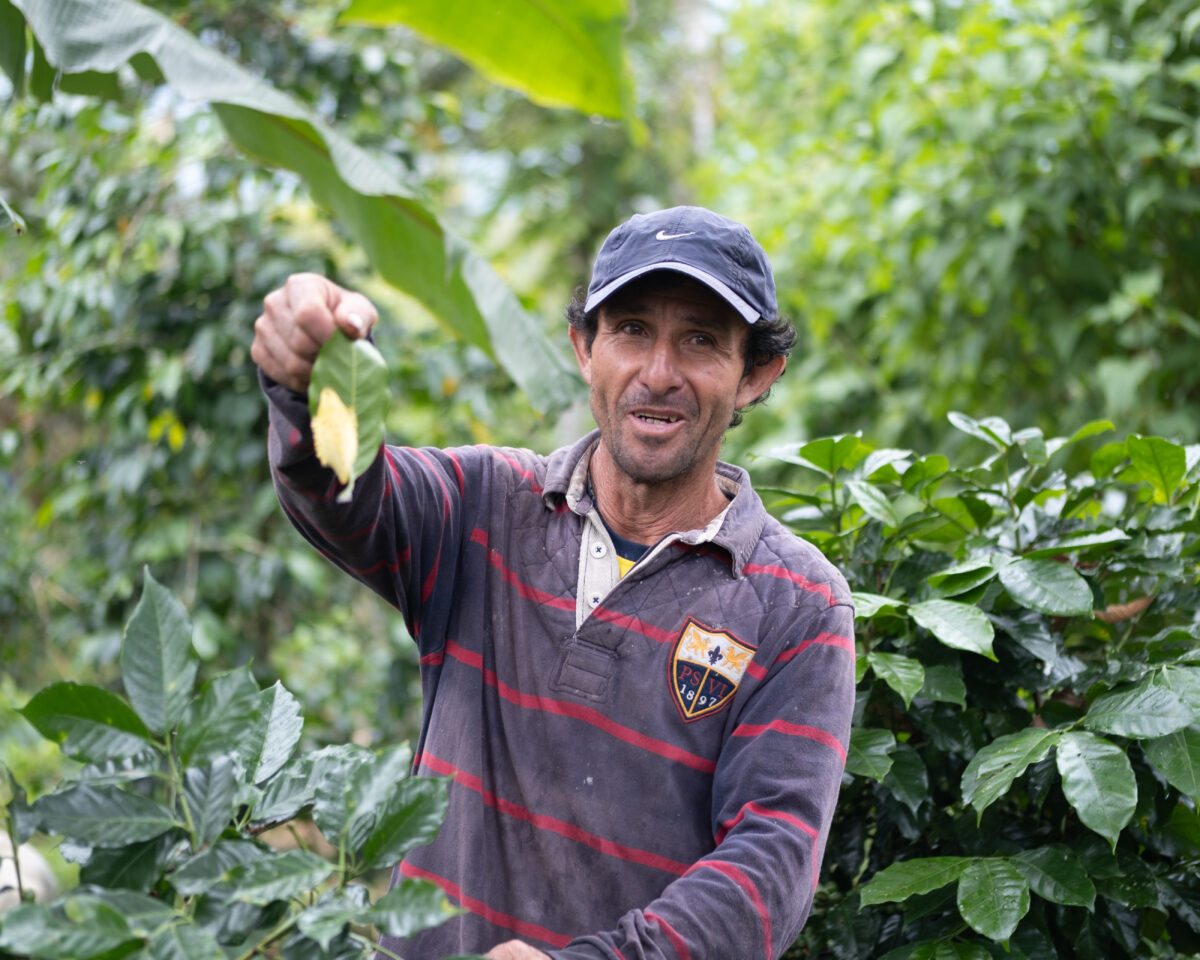
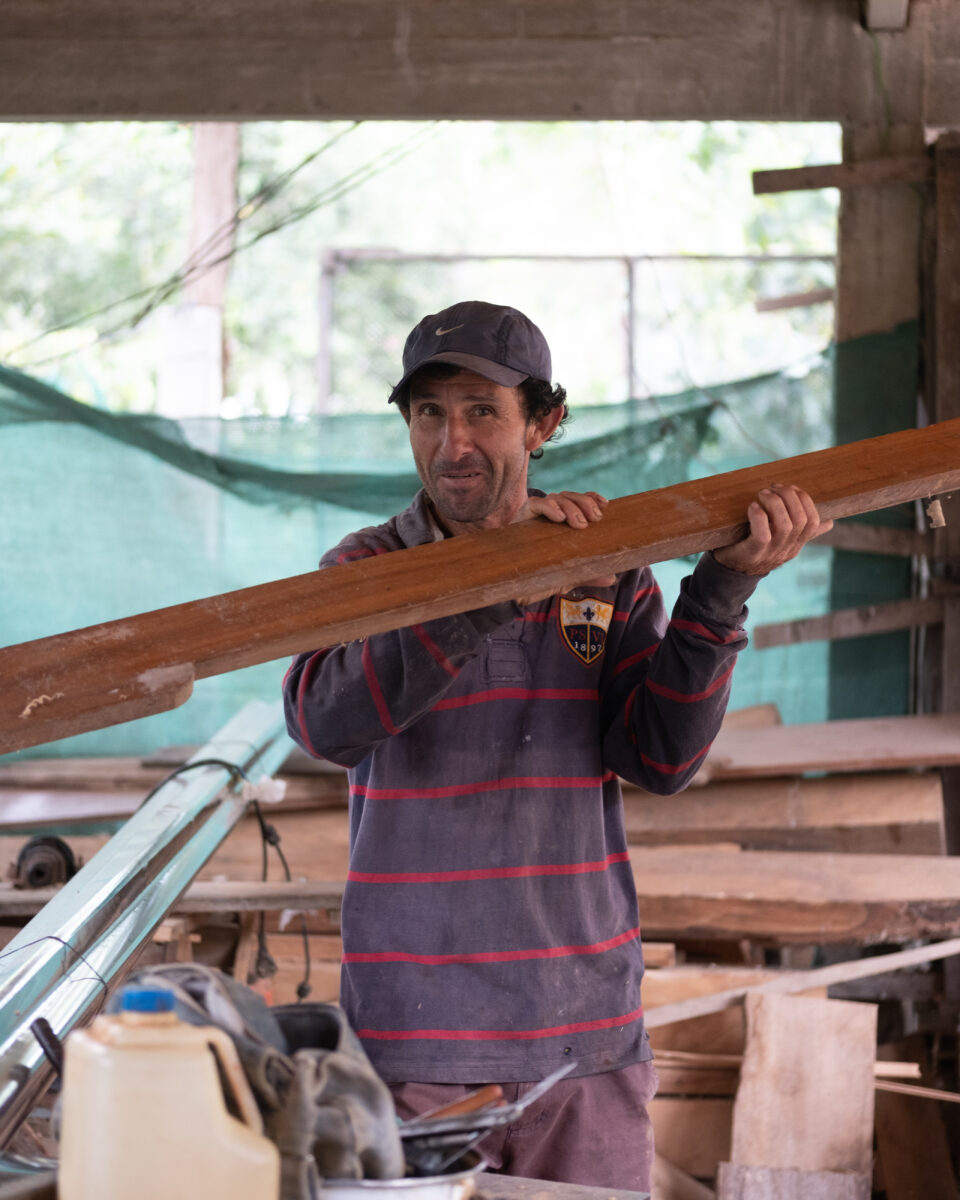

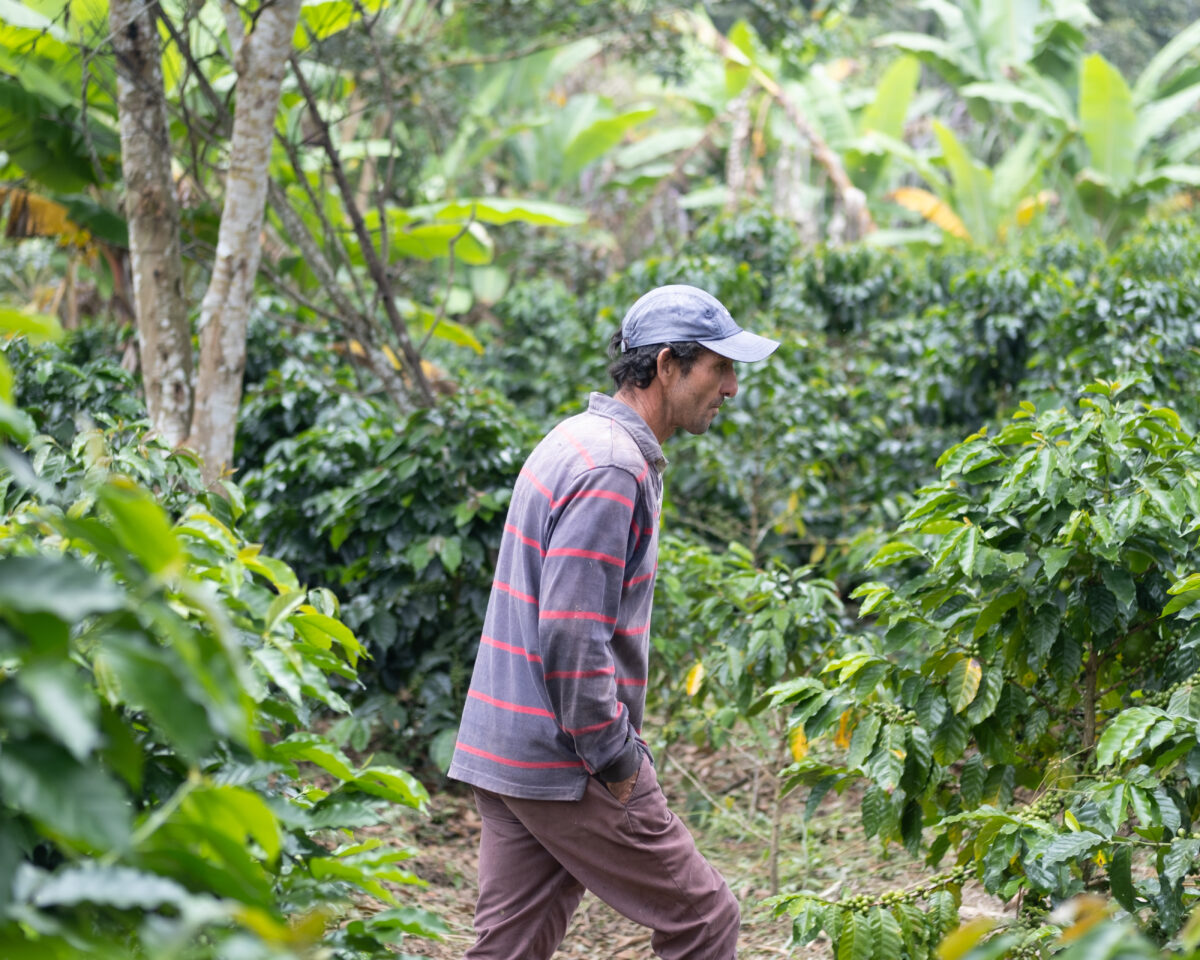


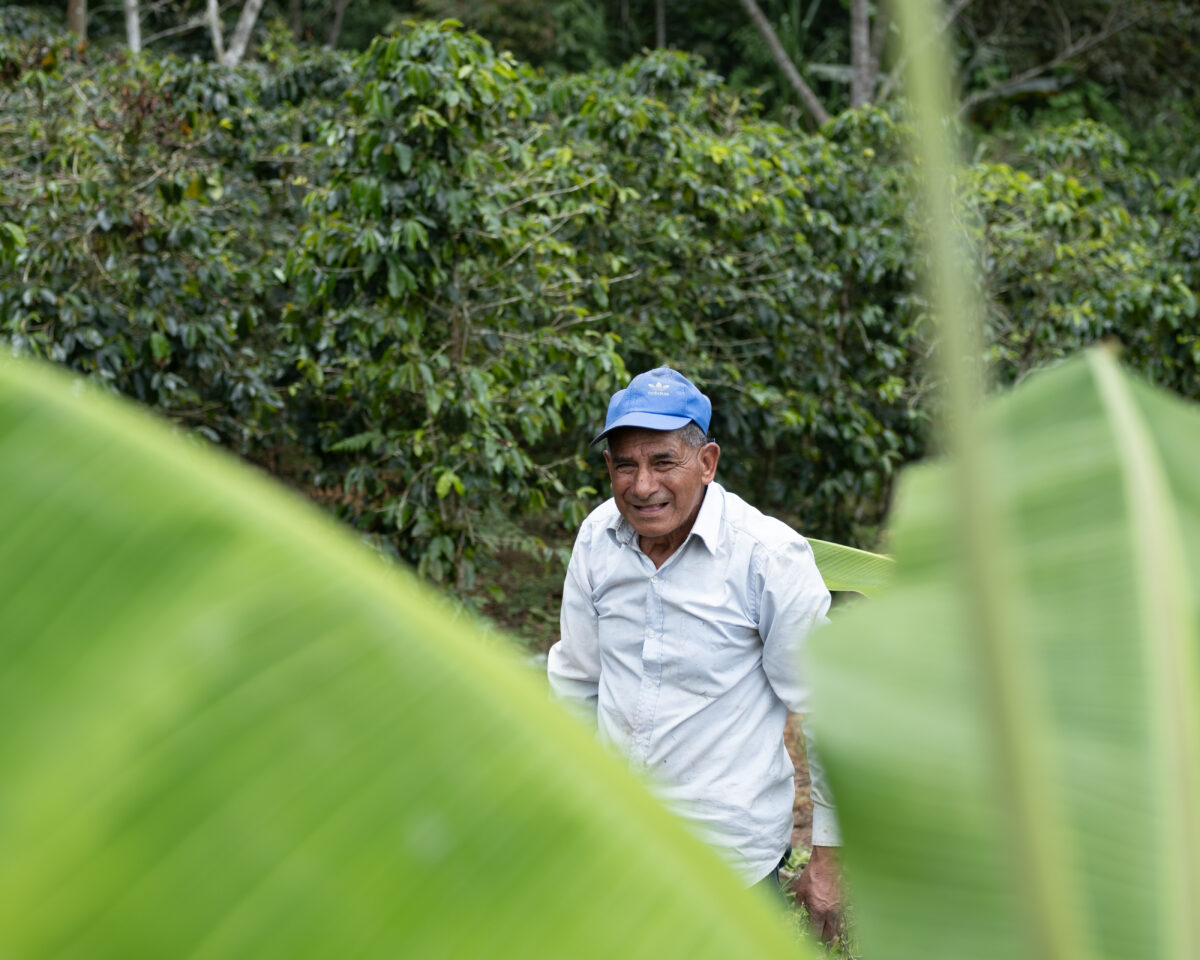

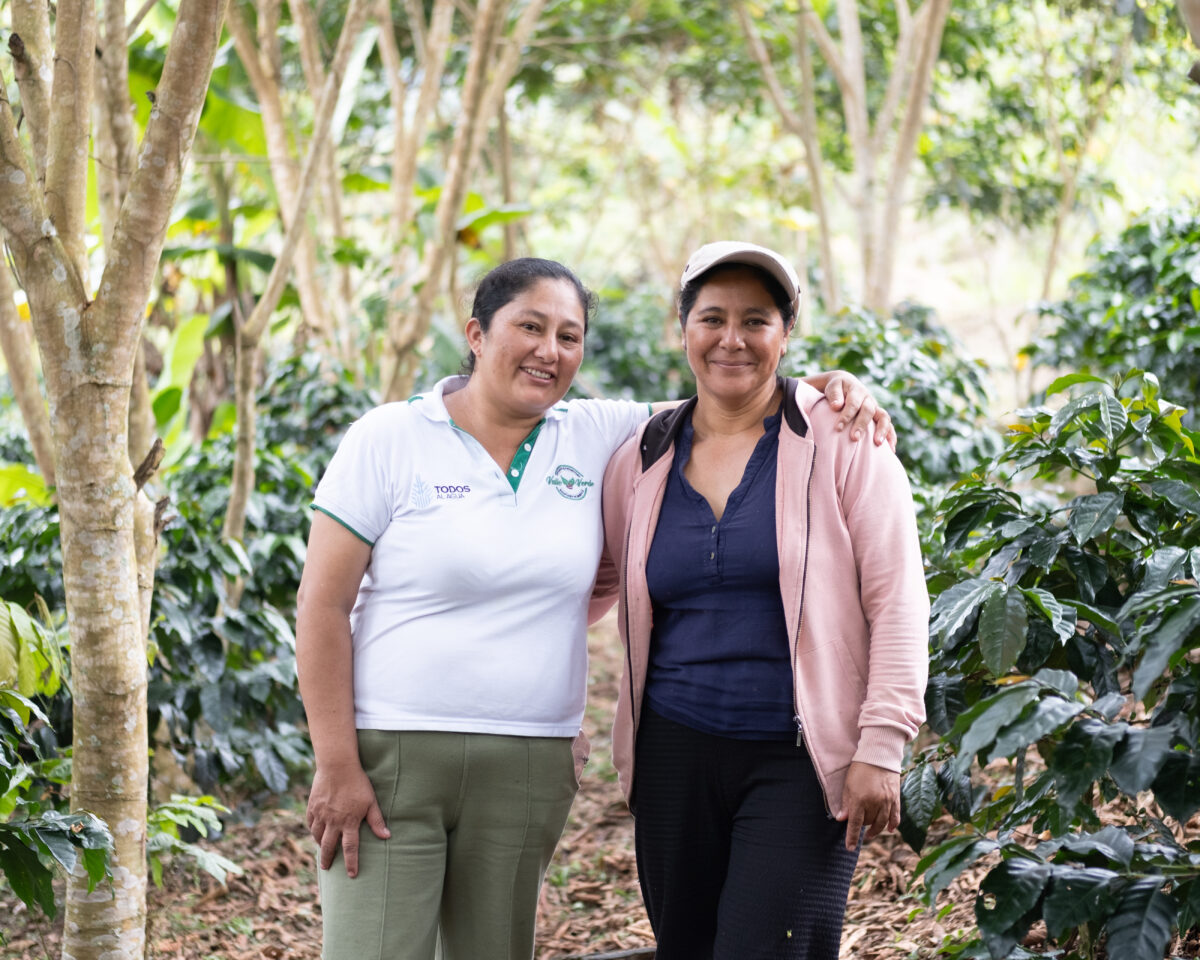





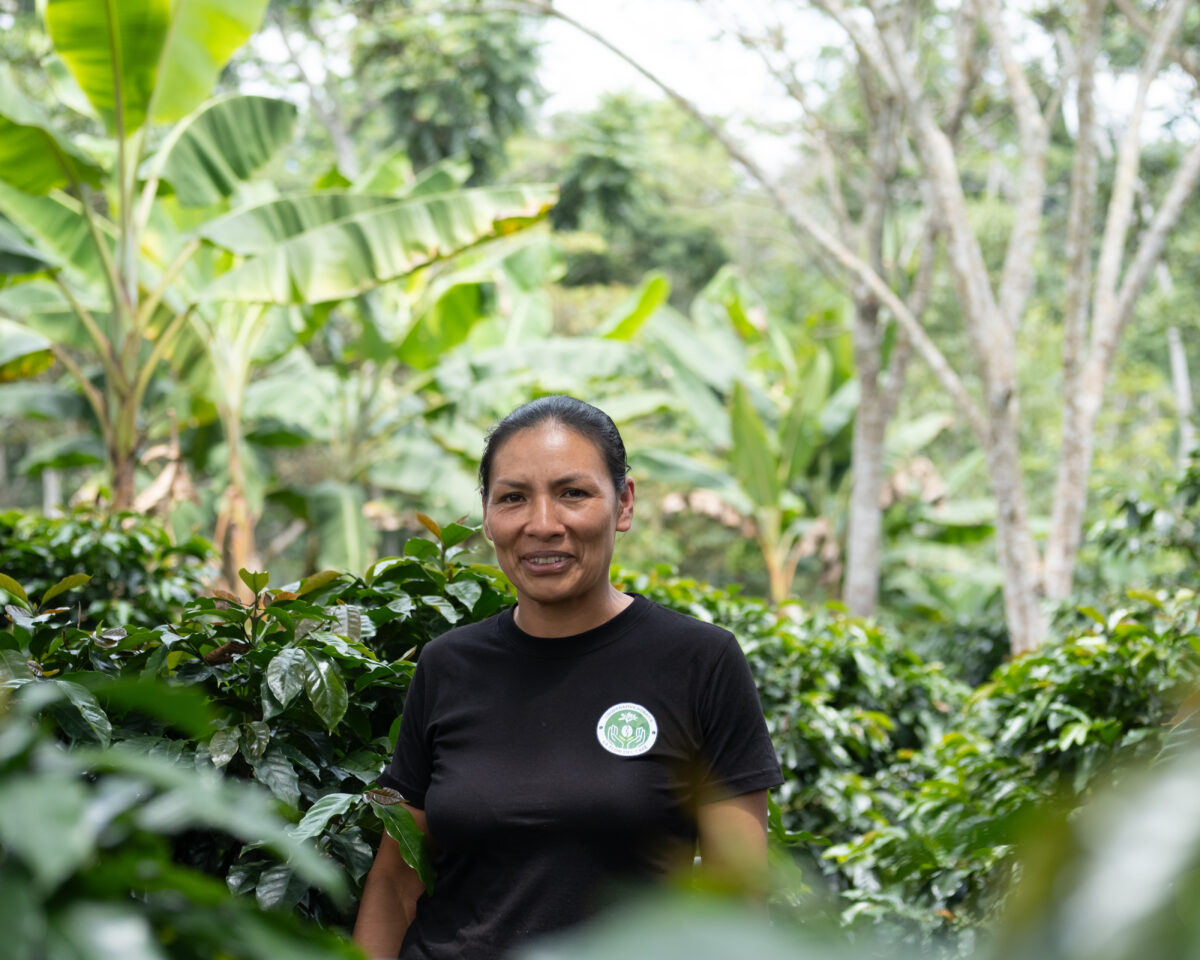

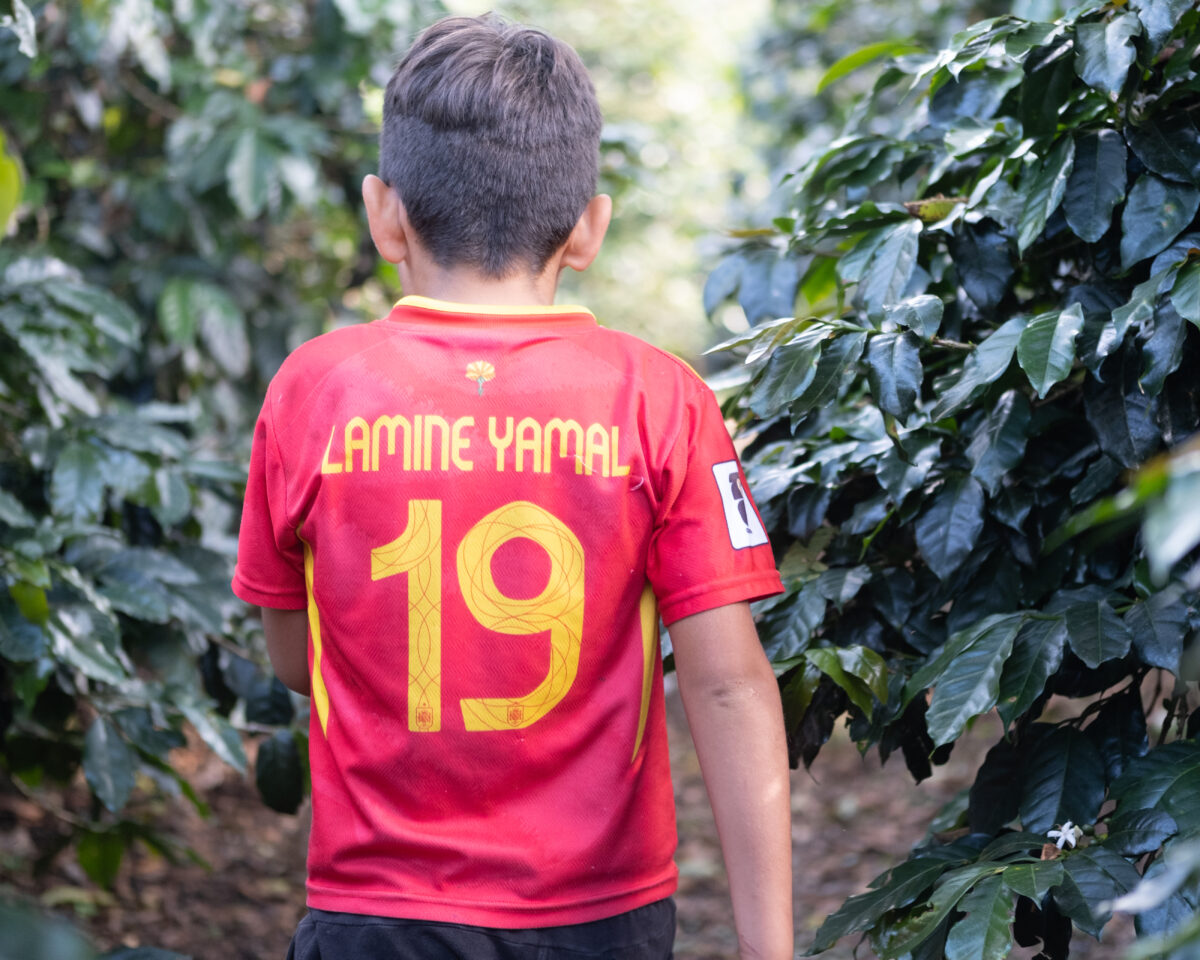
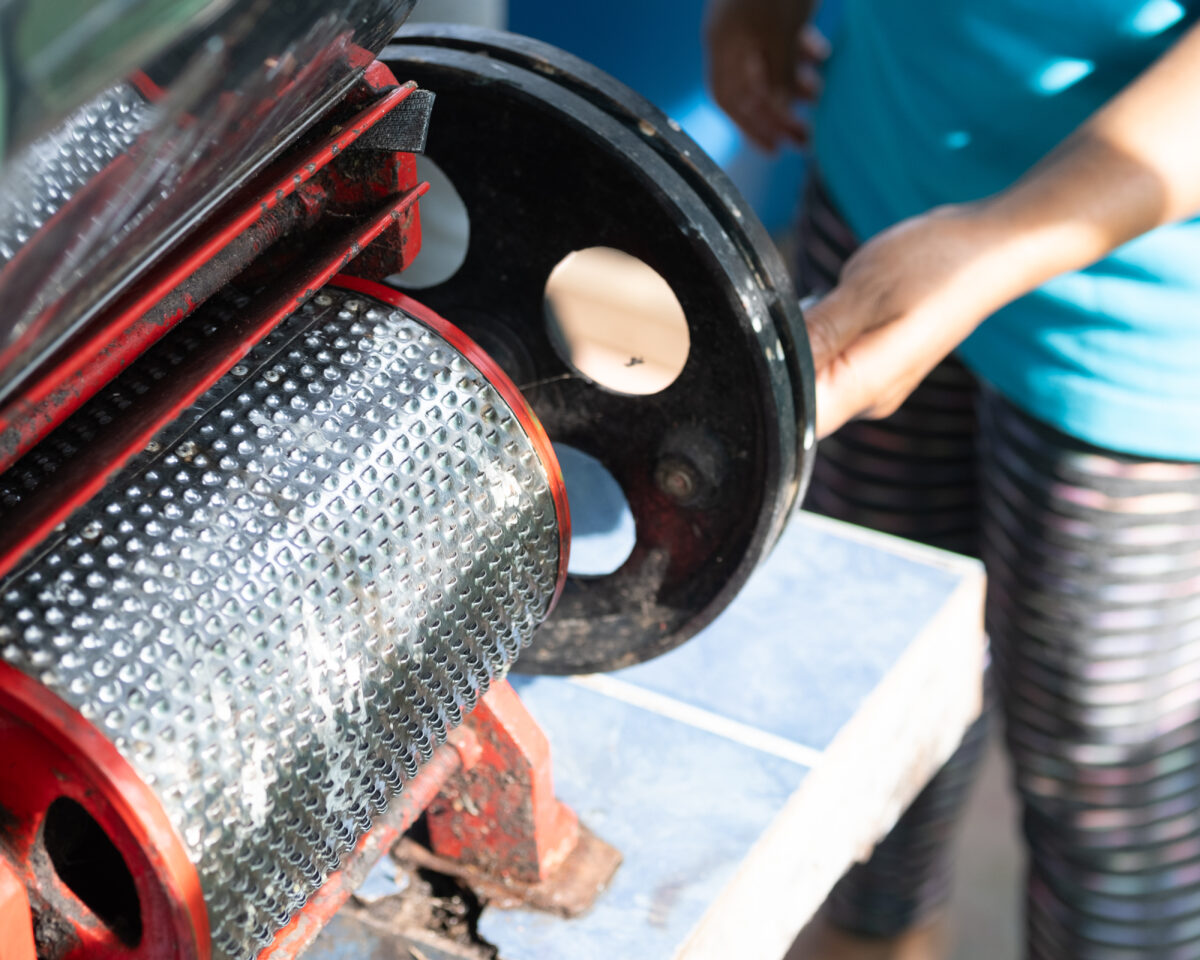
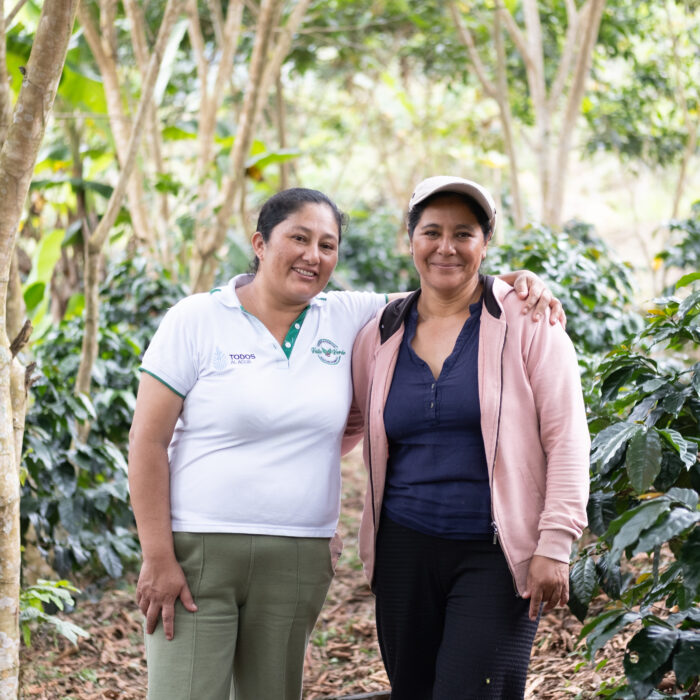
When visiting producers together with Valle Verde Cooperative, one tradition continually came up in conversation: Minga.
Derived from the Quechua word mink’a, Minga describes communal work carried out for the benefit of others. The understanding is simple: help given today may be returned in the future. Neighbors may work together during coffee harvests, repair a house, or maintain a road. In return, they strengthen relationships that have existed for generations.
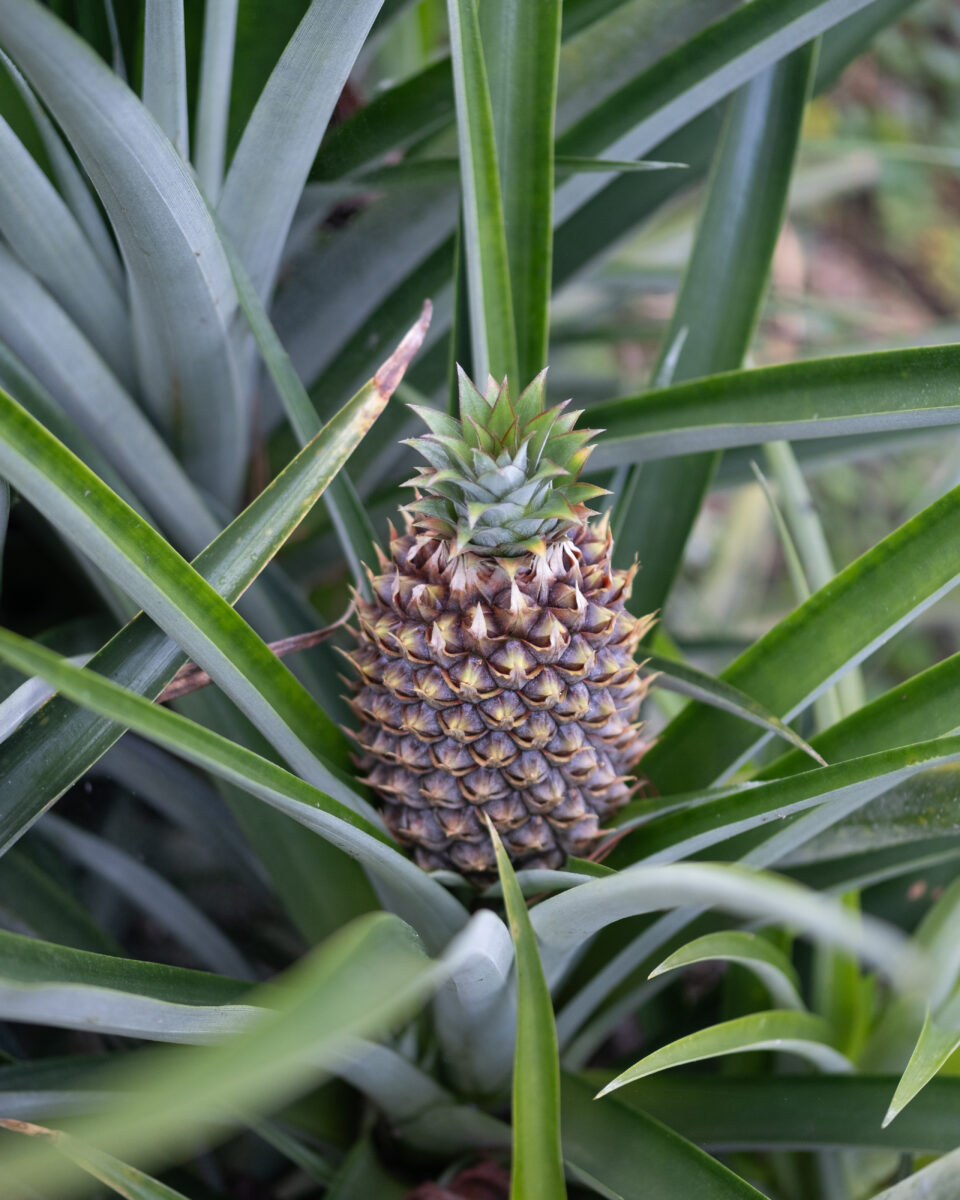
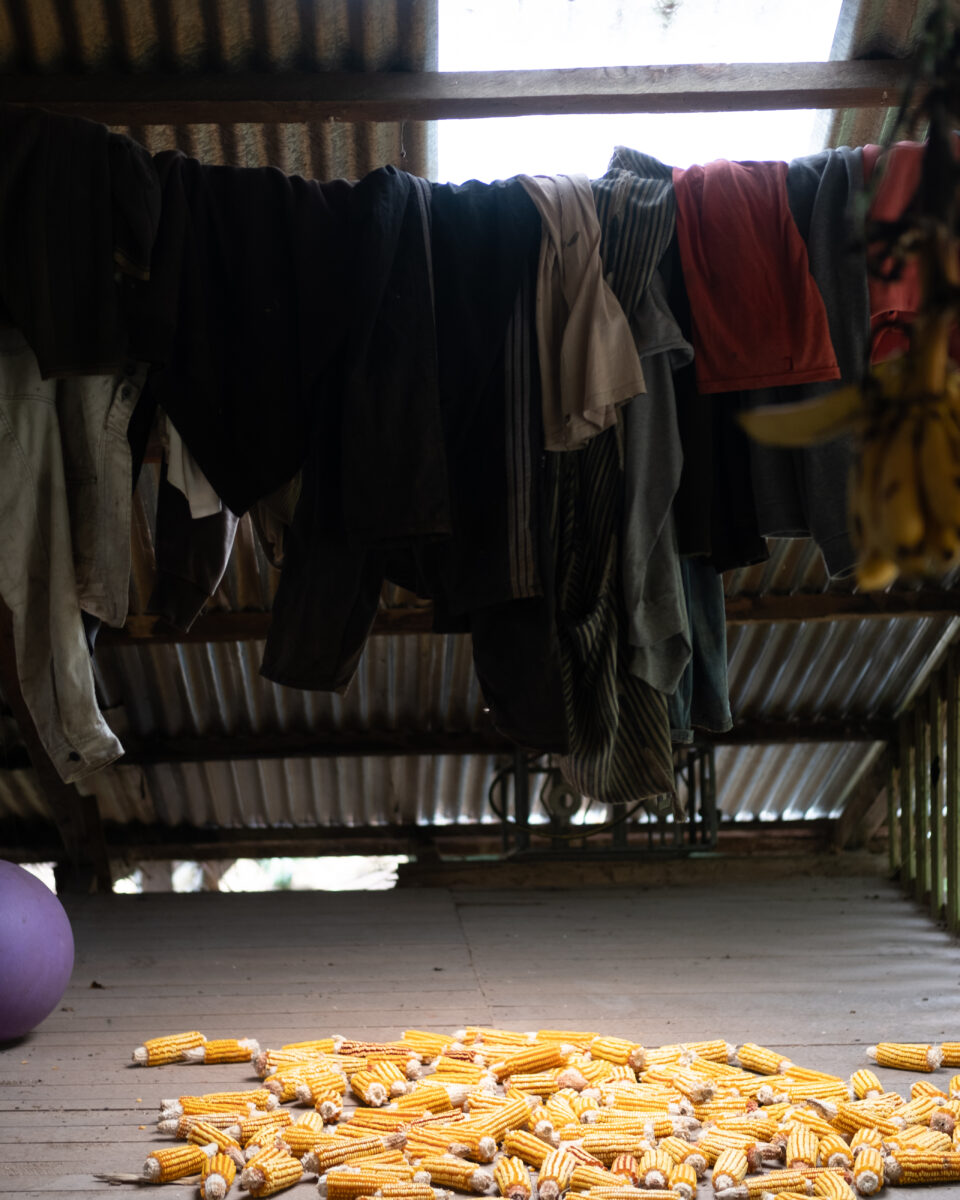
Many farming families also cultivate several crops alongside coffee. This creates a degree of self-sufficiency and allows communities to exchange time and labor rather than relying only on wages.
Although centuries old, Minga remains deeply woven into everyday life throughout the Amazonas.
One of the things that stood out most during our visit was the genuine sense of community. Whether visiting cooperatives, producer groups, or individual farms, conversations rarely centered around individual success. Instead, they focused on working together, supporting neighboring producers, and building stronger communities for the next generation.
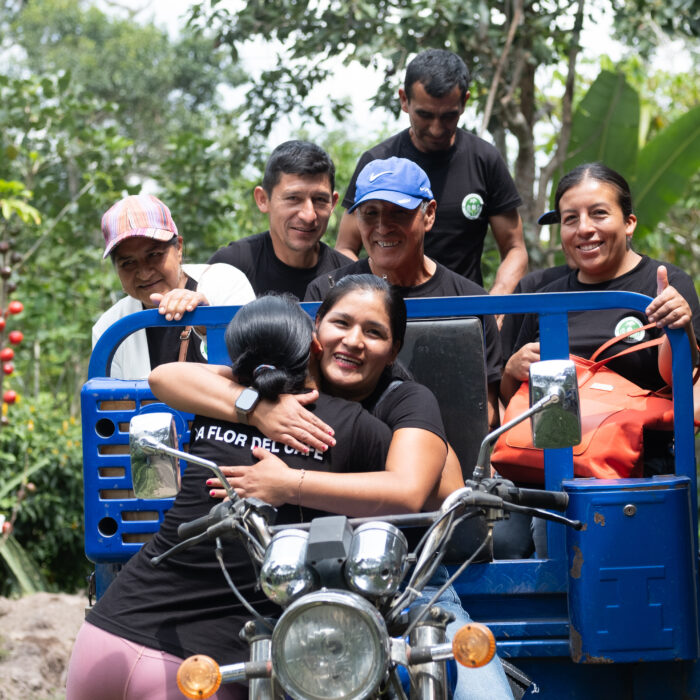
We experienced this firsthand during our visit to Flor del Café in the isolated Machuyacu Valley. Located near Nuevo Chirimoto (an area that only gained reliable road connections to neighboring cities within the past two decades) the cooperative operates in one of the most remote coffee landscapes we have visited.
After our meeting, nearly the entire team joined us to visit surrounding member farms. It wasn’t part of the schedule or a formal presentation. Rather, it reflected the excitement of welcoming visitors to a place few people ever reach. Experiences like these capture the spirit of Amazonas. Coffee may bring people together, but it is the region’s culture of collaboration, hospitality, and shared responsibility that leaves the strongest impression.
For decades, getting coffee out of Amazonas proved almost as challenging as growing it.
Before local infrastructure developed, producers regularly transported parchment coffee more than six hours to Bagua, where dry mills prepared coffee for export. Besides increasing transportation costs, this limited opportunities for quality differentiation and direct market access.
Today, that reality is changing.
At the center of Rodríguez de Mendoza stands Arábiccafe, the dry mill operated by Monteverde. As the region’s only export dry mill, it has become one of the most important pieces of coffee infrastructure in Amazonas.
Numerous cooperatives can now prepare and export coffee directly from Rodríguez de Mendoza. As a result, more value can remain within the region. At the same time, the distance between producers and international buyers becomes shorter.
Isolation has unintentionally protected much of Amazonas’ natural environment.
Compared with many agricultural regions, forests remain largely intact. Biodiversity is exceptionally rich, and coffee farms often exist alongside native vegetation rather than replacing it.
As a result, many producers are organically certified or already farm according to organic principles. Shade trees remain abundant, homemade compost is widely used, and maintaining healthy soils often takes priority over maximizing yields.
Meanwhile, cooperatives continue investing in projects that strengthen both farming families and surrounding ecosystems.
These initiatives include reforestation, biodiversity conservation, women and youth inclusion, improved water management, and diversification of household income. Rather than focusing solely on coffee production, many organizations are working to build resilient rural communities that can thrive for generations.
Nearly all coffee produced in Amazonas is washed.
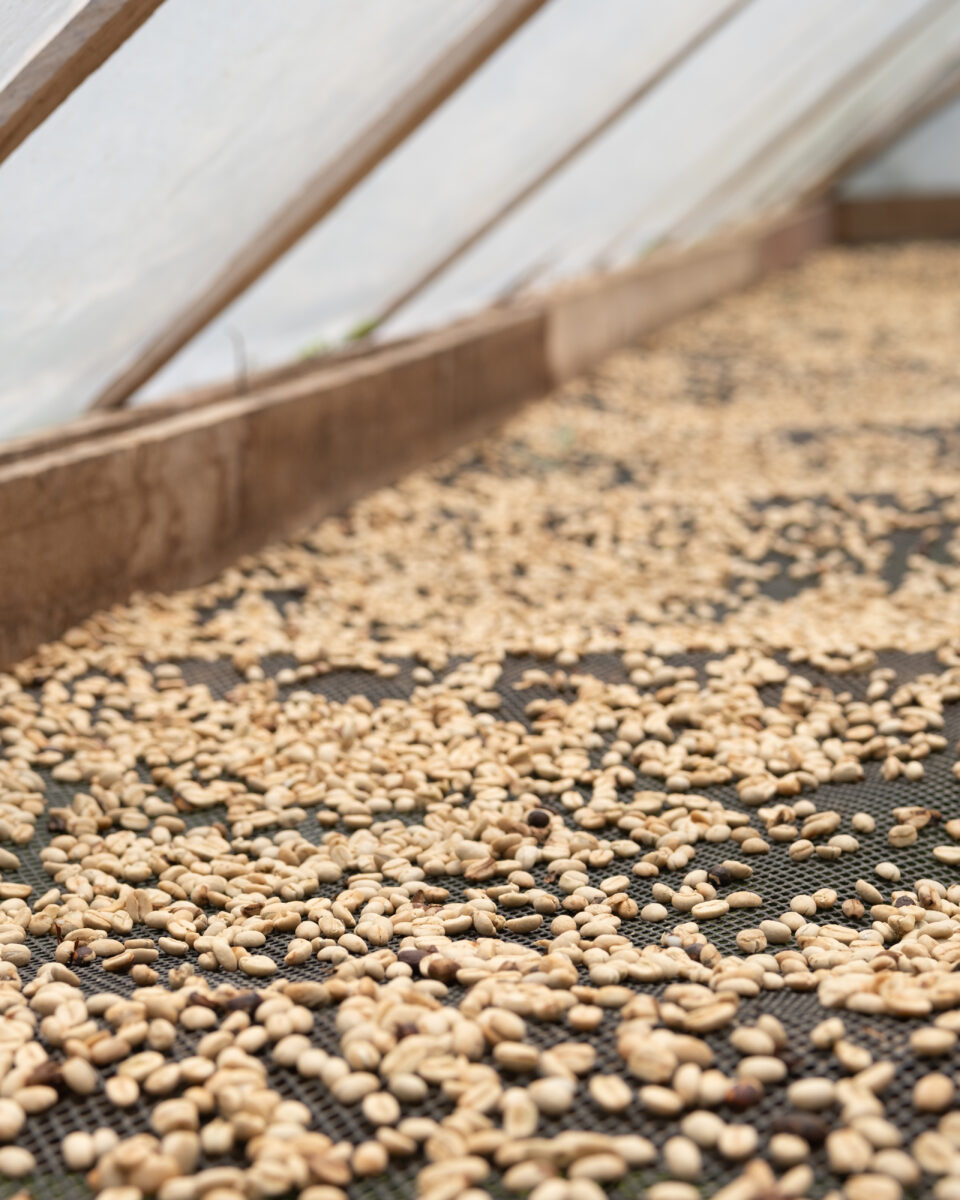
This is partly tradition, but even more importantly it is a practical response to the region’s climate. High humidity and unexpected rainfall make drying coffee one of the greatest challenges producers face. Most farms process relatively small volumes in compact fermentation tanks. Afterwards, producers dry parchment coffee inside covered solar dryers equipped with stacked drying beds. Because washed coffees dry considerably faster than naturals, they naturally fit both the climate and available infrastructure.
Nevertheless, experimental processing is gradually becoming more common.
Natural and other experimental lots are typically produced during the beginning and end of harvest when cherry intake is lower and producers can dedicate more drying space to carefully managed microlots.
Although these volumes remain relatively small, they represent an exciting new direction for Amazonas.
Catimor remains the dominant coffee variety throughout Amazonas.
Its resistance to coffee leaf rust, reliable productivity, and balanced cup profile made it the logical choice following Peru’s devastating leaf rust epidemic during the early 2010s. However, another transition is now taking place.
At the highest elevations, more and more producers are planting varieties such as Geisha, Pacamara, Maragogype, Bourbon, and Castillo, exploring the remarkable quality potential that Amazonas can offer.
Increasingly, these coffees are separated into dedicated microlots, allowing exceptional farms to showcase their unique character and giving buyers access to highly distinctive cup profiles.
Meanwhile, cooperative renovation programs continue to introduce improved rust-resistant cultivars across larger production areas. These include Marsellesa, Obata, Parainema, and Villa Sarchí. For producers, these varieties can provide a useful balance of resilience, productivity, and cup quality. They can also help farms prepare for future climate challenges.
Together, these developments mark an important shift. Amazonas is steadily evolving from a region known primarily for dependable washed coffees into one of Peru’s exciting sources of distinctive specialty microlots.
Rodríguez de Mendoza is entering an exciting new chapter. Improved infrastructure, stronger cooperative networks, local export capacity, and increasing investments in quality are allowing one of Peru’s most isolated coffee landscapes to reach buyers around the world.
Meanwhile, producers continue building upon values that have shaped the region for generations: community, environmental stewardship, and a deep connection to the land.
For Trabocca, Amazonas represents far more than an emerging coffee origin.
It is a region where extraordinary coffee grows alongside extraordinary people, where centuries-old traditions continue to shape modern coffee production, and where every visit reminds us that great coffee is built as much on human connection as it is on altitude, varieties, or processing.
As more producers embrace fine varieties, microlot separation, and quality-focused production, we believe Rodríguez de Mendoza is only beginning to show the world what it is capable of.