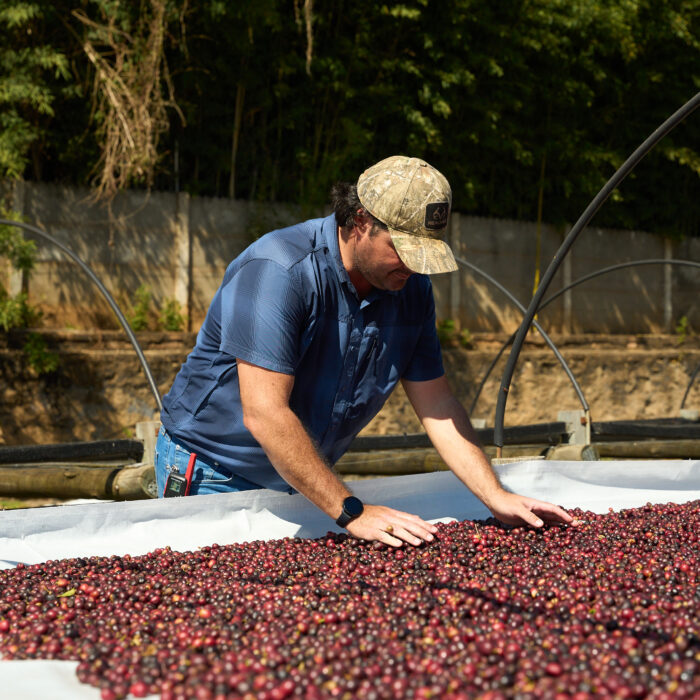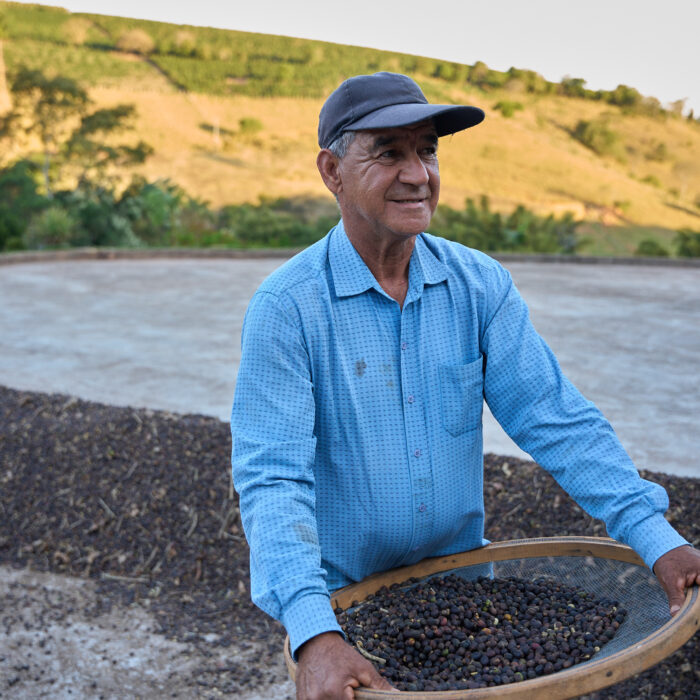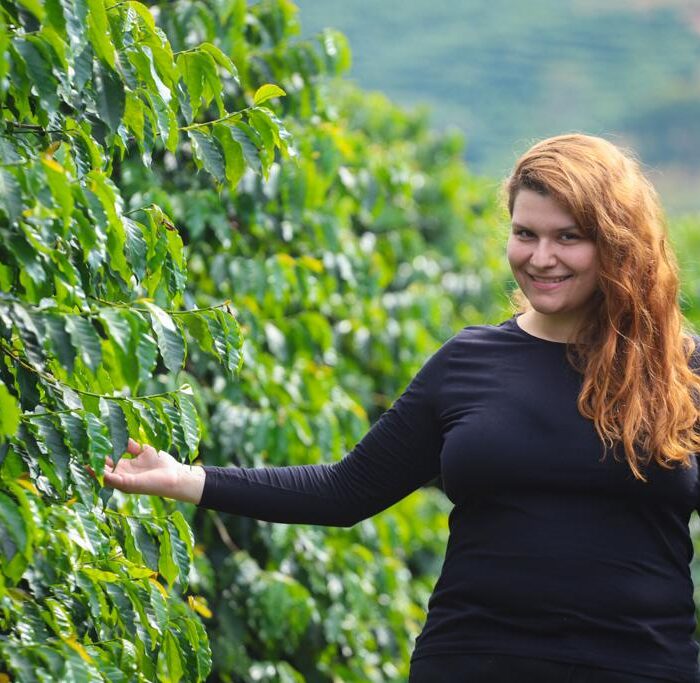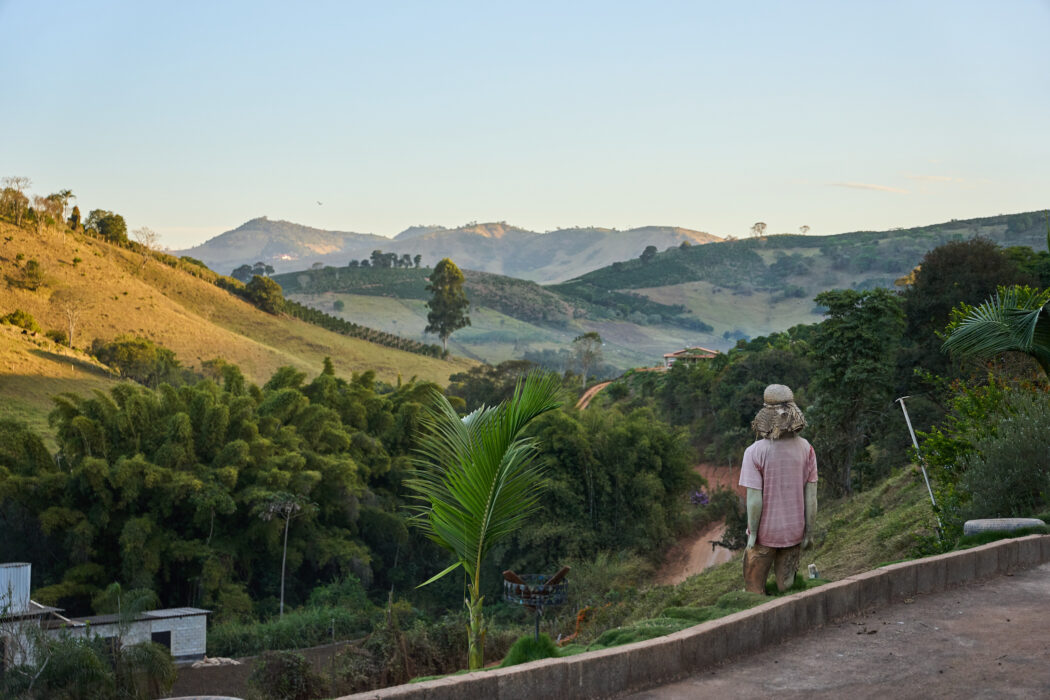
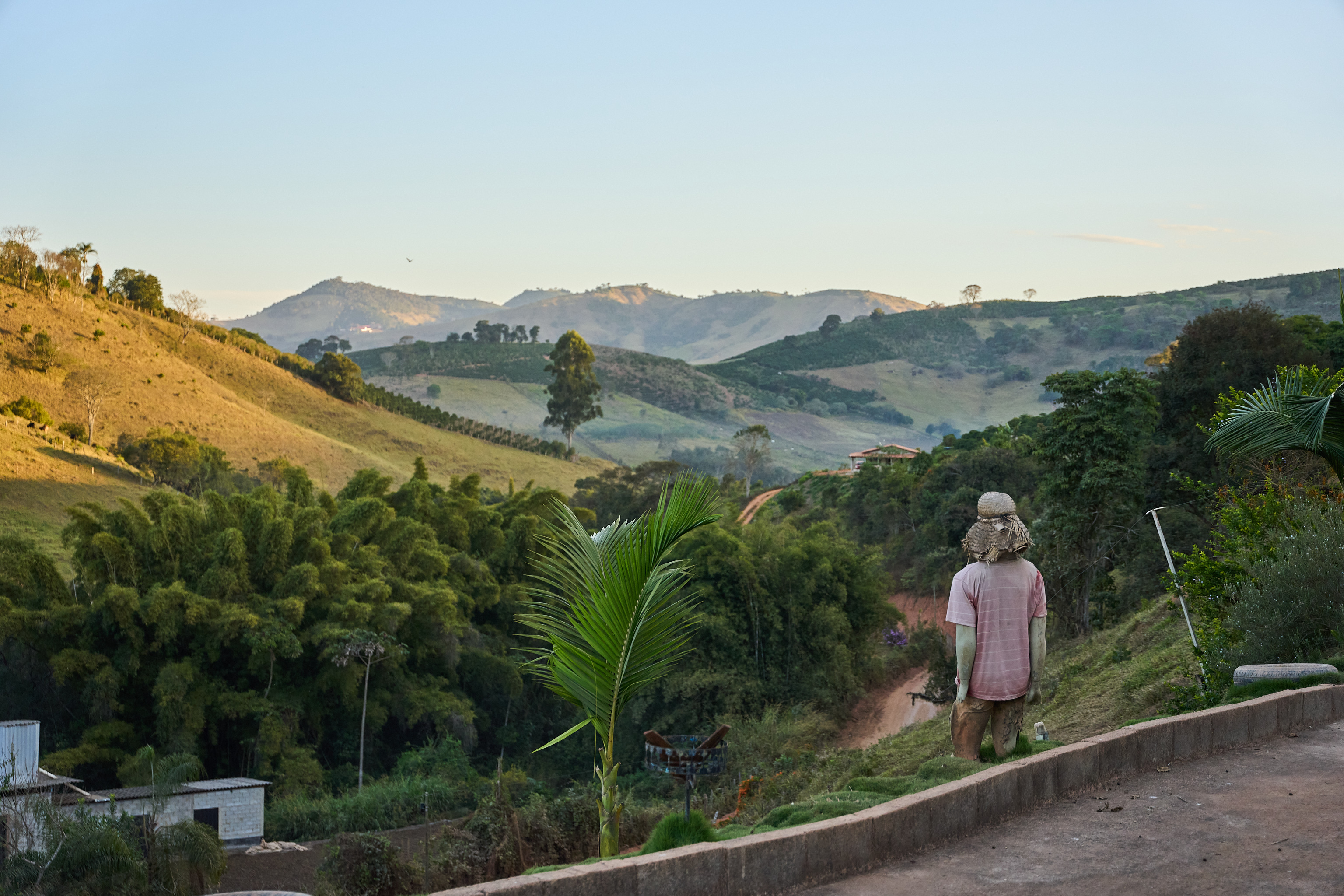
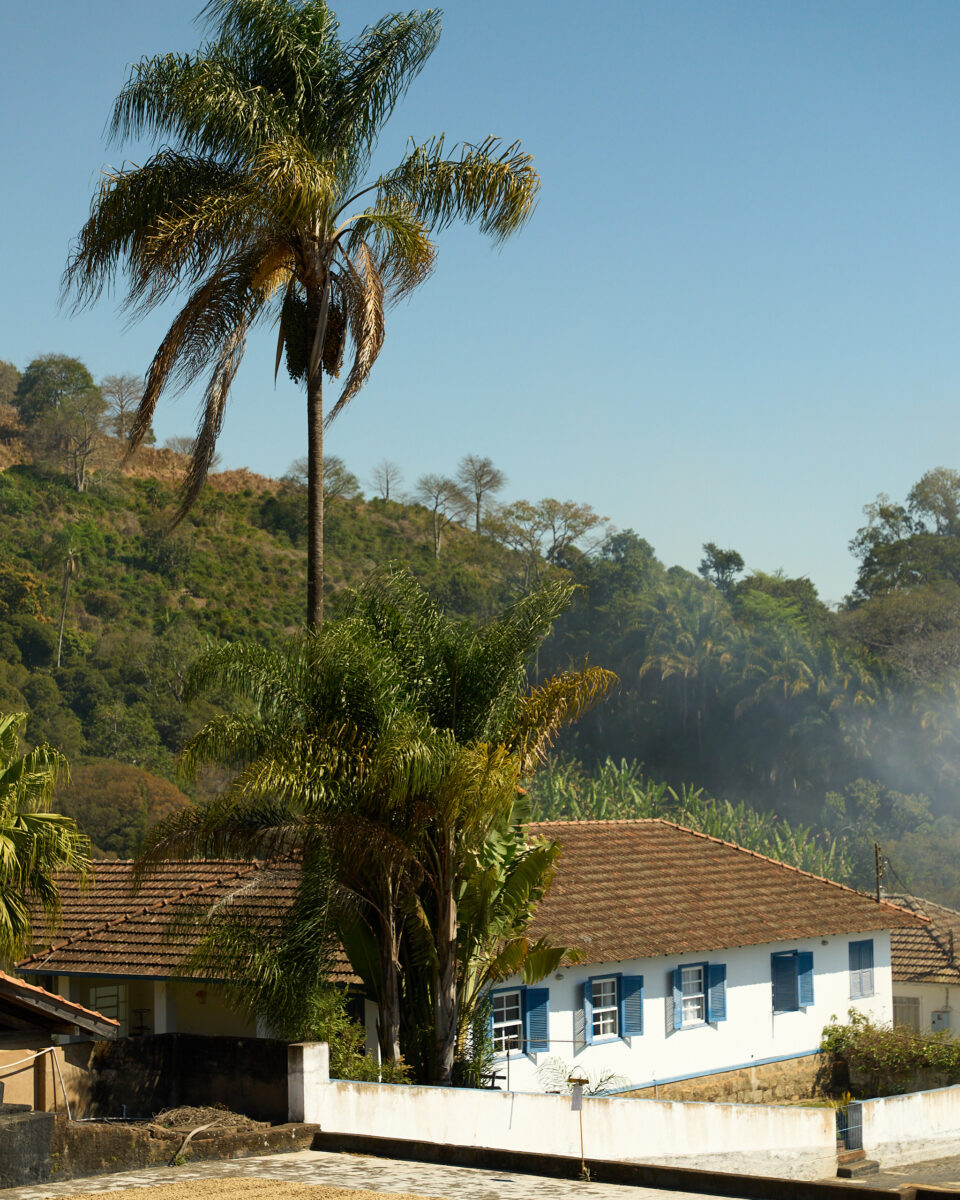
Between southern Minas Gerais and northeastern Sao Paulo, an ancient caldera defines a distinctive coffee-growing landscape. A volcano became extinct here around 80 million years ago, but its geological legacy continues to influence the region’s soils and terrain. Today, the Regiao Vulcanica covers 12 municipalities across the mountains that divide the two states. The political border separates Minas Gerais from Sao Paulo, but the same volcanic foundation, climate and topography connect the coffee farms on both sides.
Coffee farms rise from 900 to 1,300 masl, with an average altitude of 1,075 masl. Annual temperatures range from 17 to 20°C, while average rainfall reaches approximately 1,686 mm. The region also forms part of Brazil’s Atlantic Forest biome, one of the country’s most biodiverse landscapes. Learn more about the specifications here.
Volcanic soils form from weathered lava, ash and volcanic rock. Their porous structure allows excess rainwater to drain while retaining moisture between periods of rainfall. This balance helps coffee trees manage the transition between the region’s rainy and drier seasons.
As volcanic material weathers, it also contributes minerals and organic matter to the soil. The soil can retain nutrients and support healthy root development, while the surrounding landscape provides a varied environment for coffee cultivation.
Coffee and wine professionals often associate volcanic origins with mineral-like, floral or tea-like cup profiles. In a coffee, “mineral” can describe sensations such as wet stone, graphite, saline freshness or a clean, lifted finish.
The soil does not transfer a direct volcanic flavour into the coffee. Instead, geology influences the conditions in which the coffee tree grows. Soil structure, water availability, nutrient exchange, root development, altitude, temperature, variety, shade and processing all contribute to the final cup.
Research shows that the elemental composition of coffee can help distinguish different geographical origins. However, it does not prove that minerals from the soil directly create specific flavours. Read the research on elemental composition and coffee origin.
In the Regiao Vulcanica, these factors can produce coffees with bright acidity, floral aromatics and notes of citrus, yellow fruit, caramel and chocolate.
The Regiao Vulcanica takes its identity from the landscape rather than from a political boundary. Twelve municipalities share the same volcanic origin and a coffee culture that producers have developed over generations.
This makes the region particularly interesting for roasters. Producers previously sold many coffees from the area under broader labels such as Sul de Minas. The name Regiao Vulcanica now gives buyers a more precise way to understand their origin.
The regional identity also leaves room for variation. Individual farms, municipalities, varieties and processing methods continue to shape different expressions of the same terroir.
Trabocca has long valued coffees from this area for their distinctive cup profiles. Fazenda Recreio, Fazenda das Almas and various farms from the Donas do Cafe and The Sitios of Sul de Minas represent some of our favorite coffees from the Regiao Vulcanica.
The region grows traditional Brazilian Arabica varieties such as Catuai, Mundo Novo and Bourbon. Producers also cultivate Catucaí and explore newer cultivars such as Arara, Obata and IPR selections.
The IPR cultivars come from Parana’s coffee-breeding programme. Researchers developed varieties such as IPR 100 and IPR 107 to combine productive performance with traits such as disease resistance, compact growth and adaptation to commercial coffee production. This mix of established varieties and newer selections gives producers more tools to respond to local conditions while exploring different cup profiles.
Competition results have brought increasing attention to coffees from the Regiao Vulcanica. Producers from the area have received recognition in national supplier competitionsand the international Cup of Excellence competition.
These awards demonstrate the region’s quality potential, but competitions alone cannot create a lasting origin. Producers also need to define what the regional name represents, establish clear boundaries and create systems that control its use.
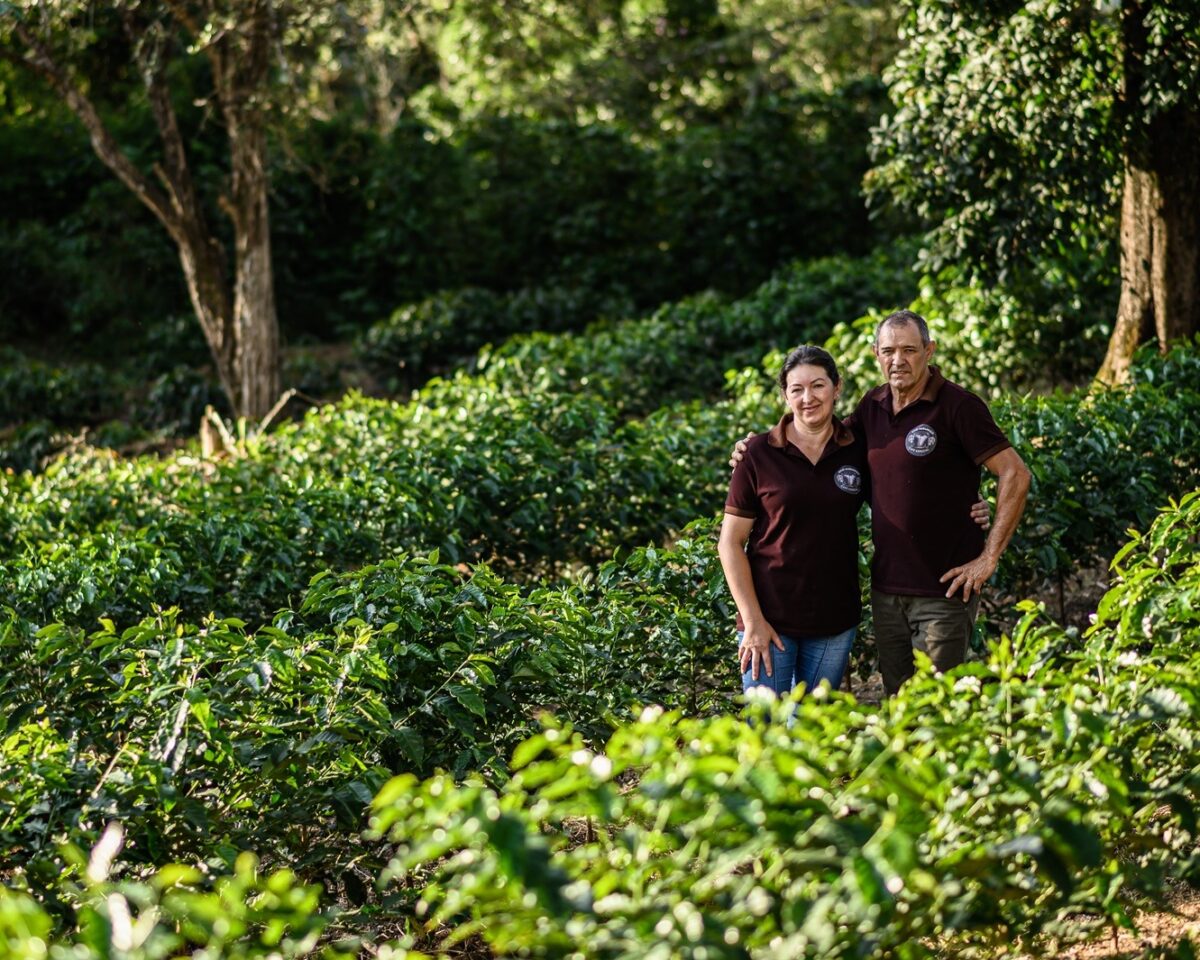
The Associacao dos Produtores do Cafe da Regiao Vulcanica leads this work. The non-profit organization represents producers and regional partners and manages the brand. But the association does more than only promoting the region. It helps producers create a shared identity, improve traceability, establish regional standards and communicate the value of their coffee to new markets.
In this way, Regiao Vulcanica is moving from reputation to recognition. The organization is building the structures that can help buyers identify, understand and trust the regional name.
900 - 1300 masl.
Volcanic
Cerrado Mineiro, Mantiqueira de Minas, and Montanhas do Espirito Santo are well-known names in the coffee world, having achieved the prestigious ‘Designation of Origin’. This stamp certifies a demarcated territory that produces a product with unique characteristics found nowhere else. Just like a sparkling wine from the Champagne region, these coffees are recognized to bear the distinct qualities of their terroir, resulting from a combination of climate, soil, terrain, altitude, and the expertise of the people.
Geographical Indication follows a similar principle, although the connection with the place of origin is more flexible. Here, it’s sufficient for one of several qualities or characteristics to be attributed to the geographic origin. Regions like the Regiao Vulcanica are on the path to their designation of origin, a journey demanding scientific proof of their uniqueness.
However, both Designation of Origin and Geographical Indication guarantee the quality and unique characteristics of the products they represent.
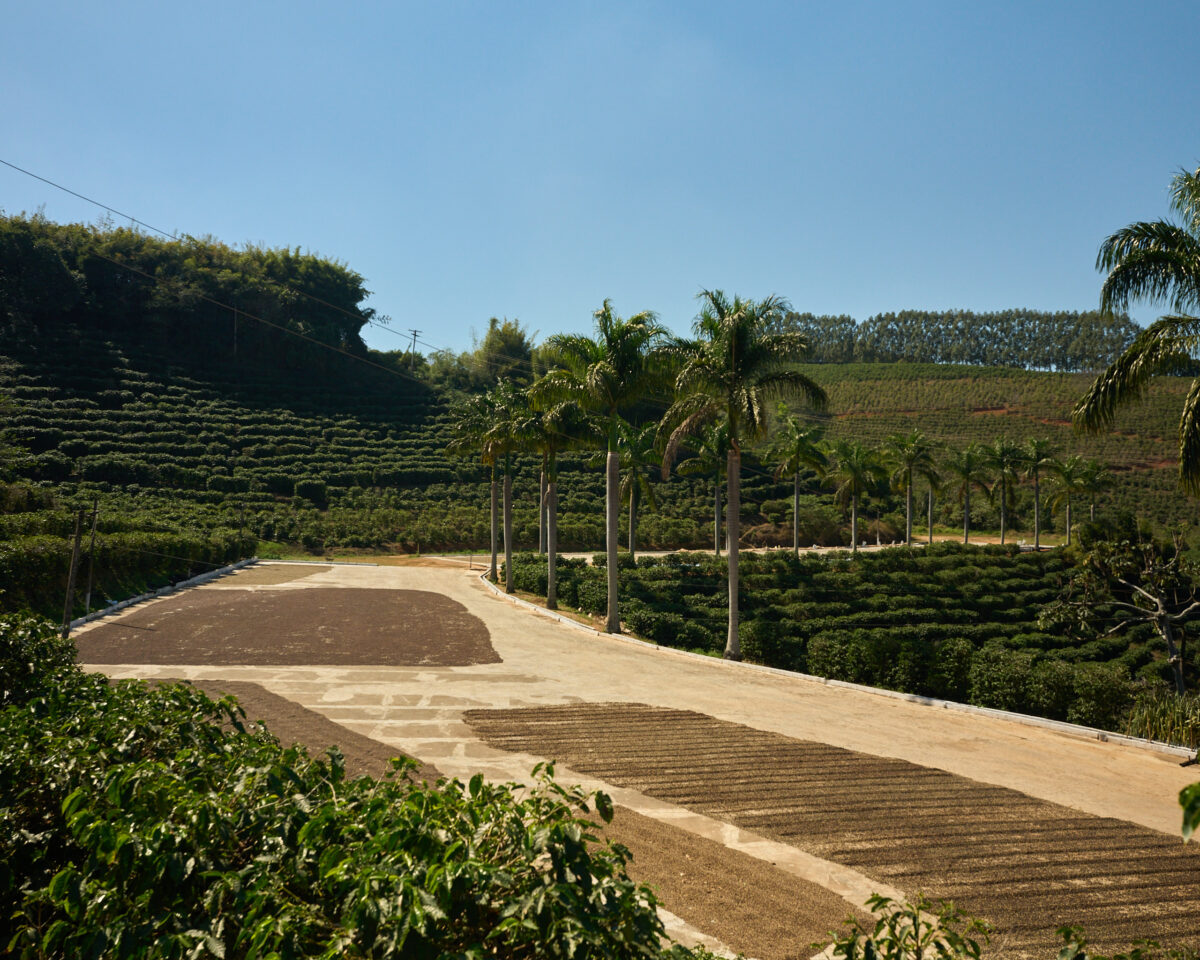
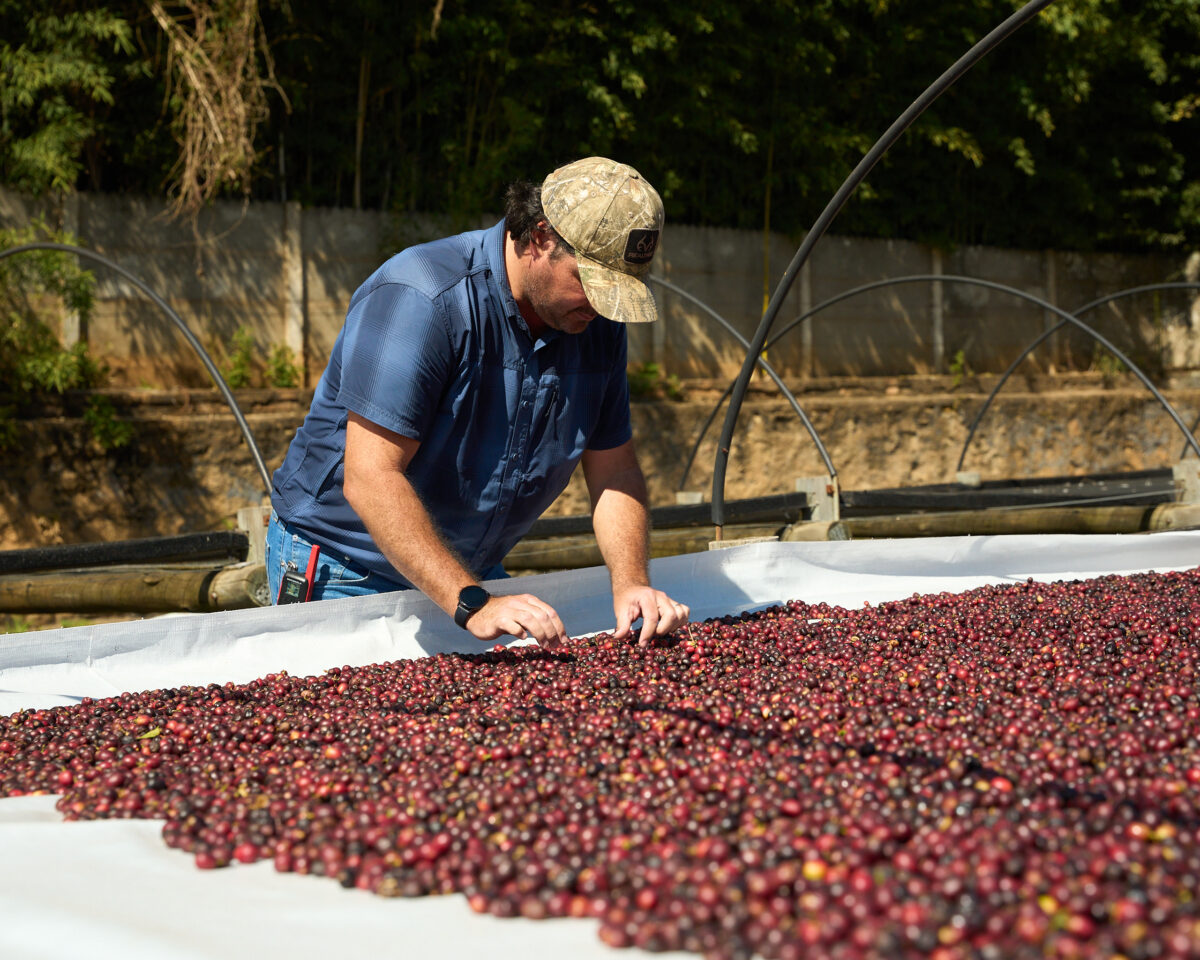
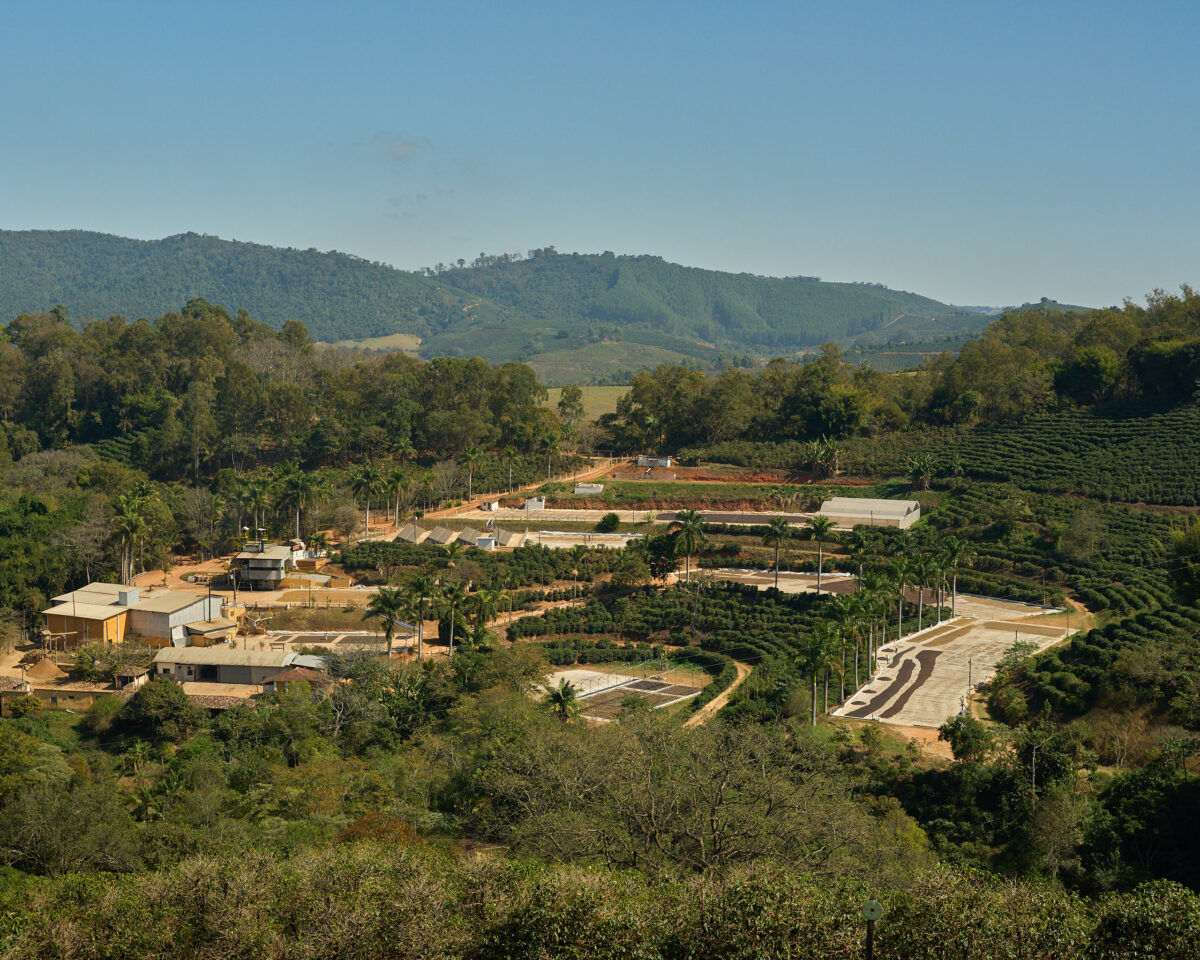
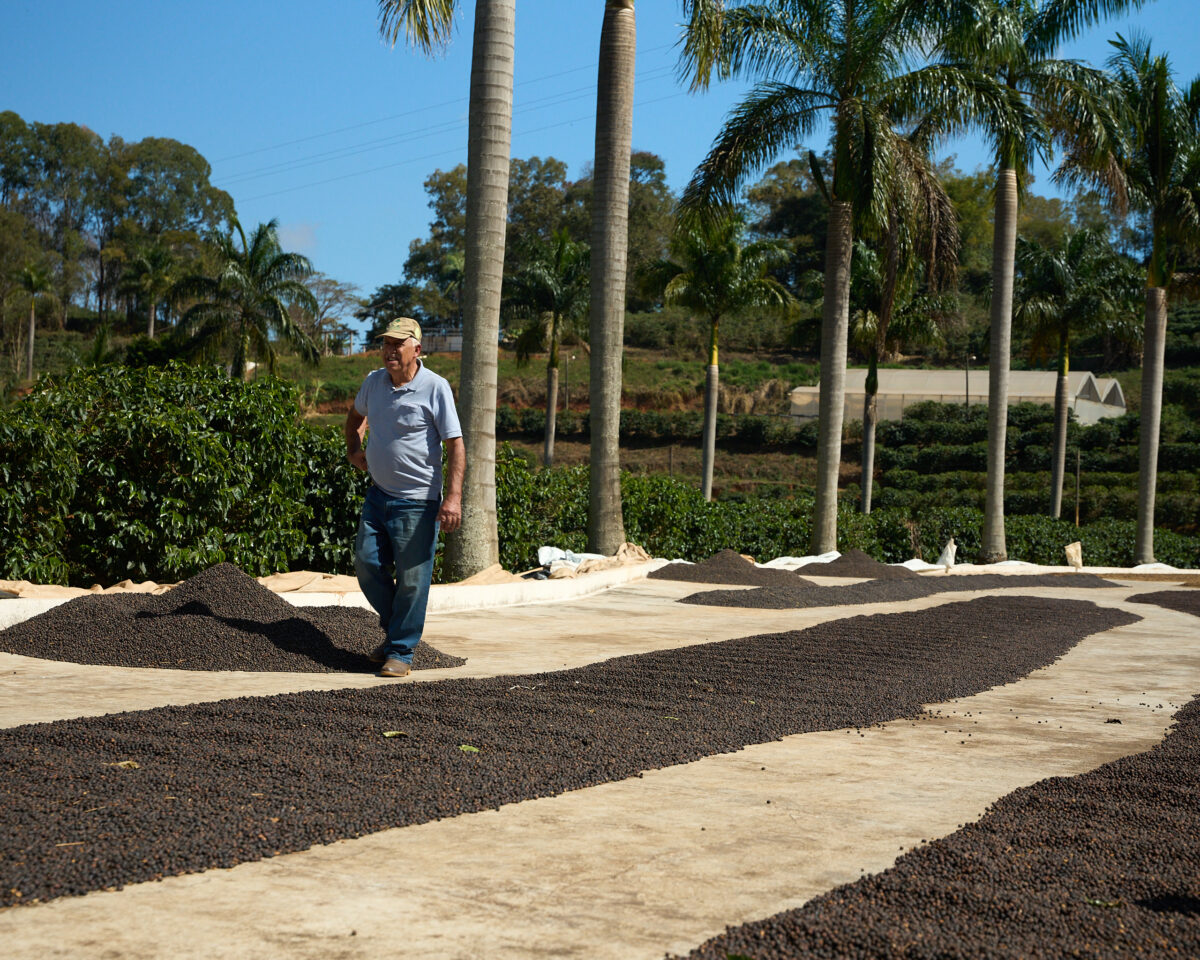
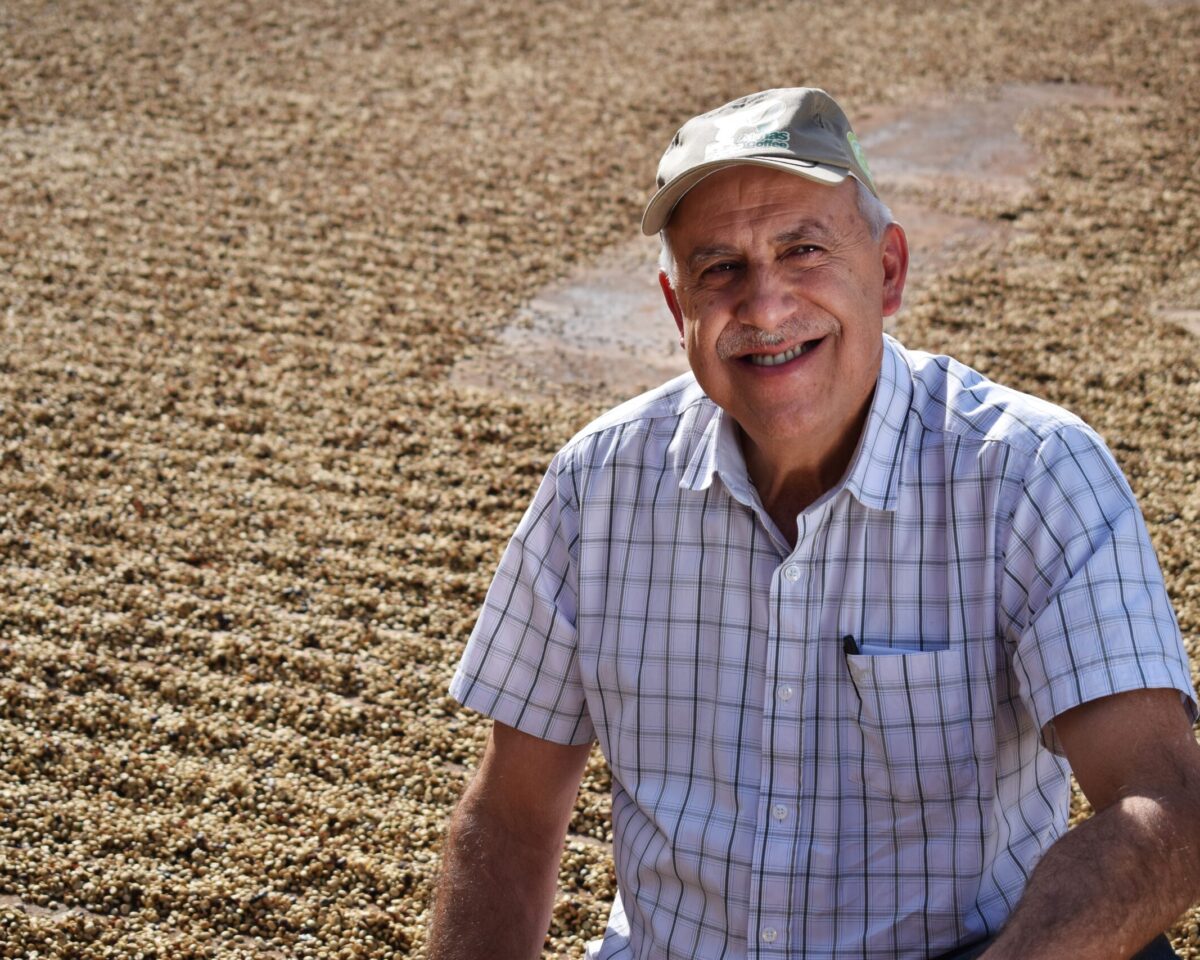
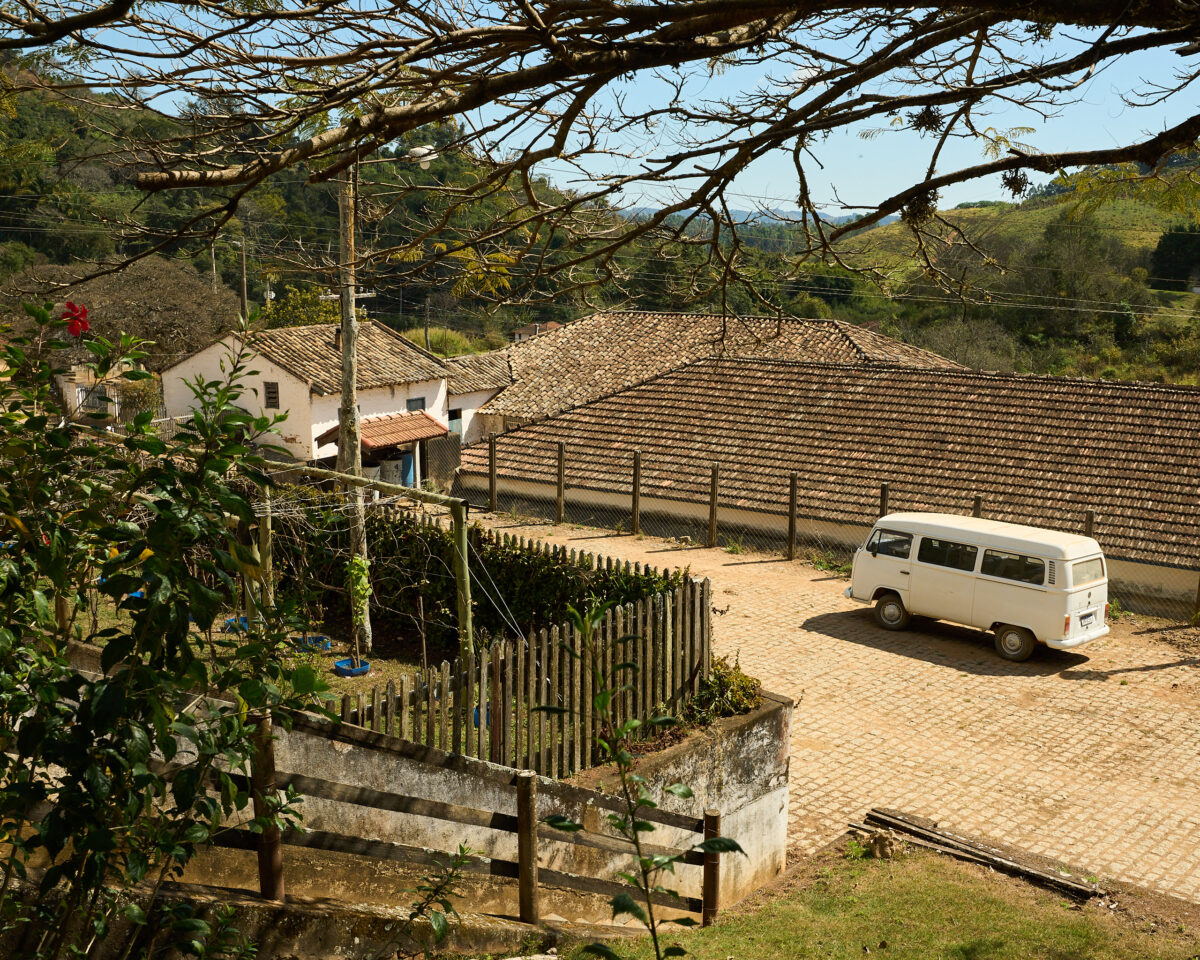
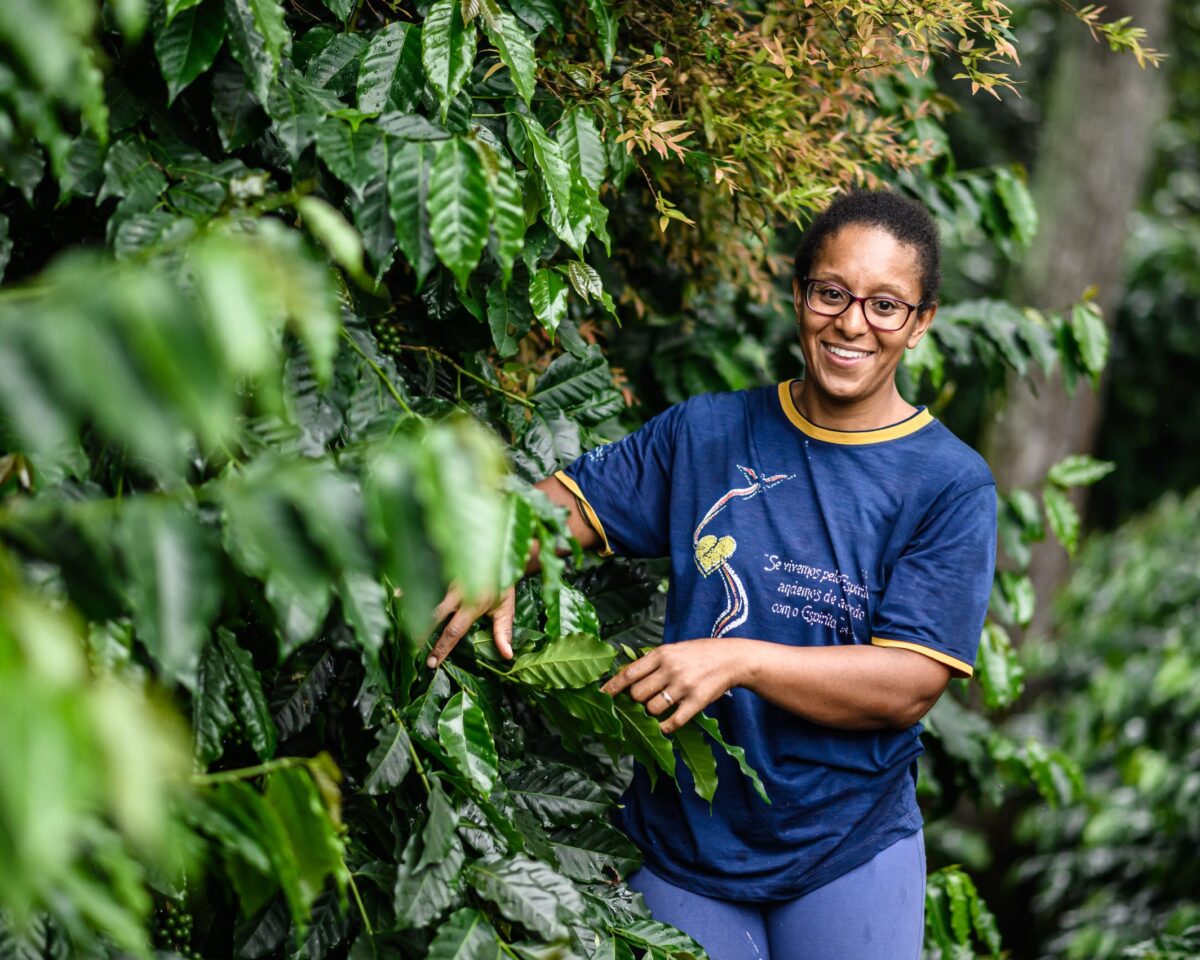
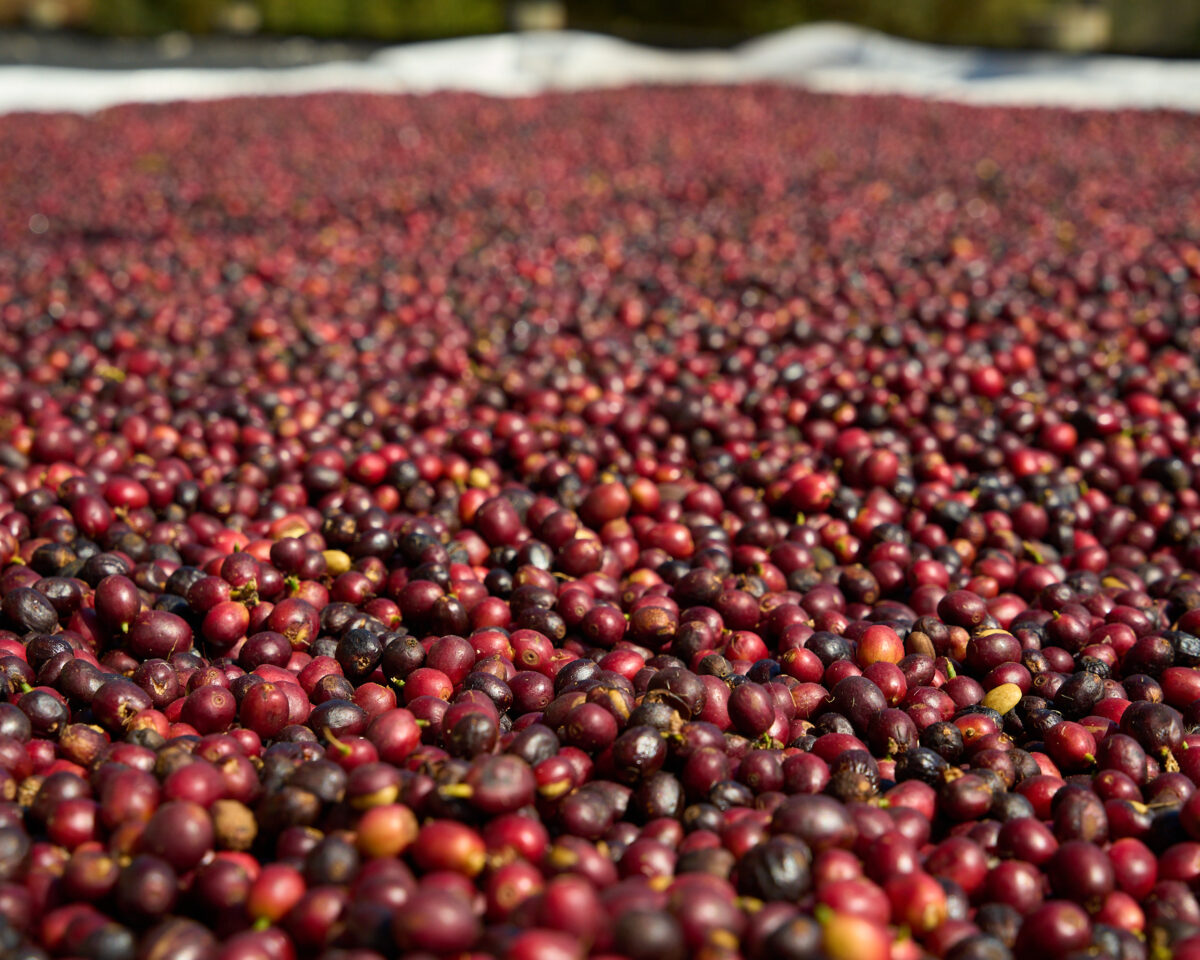
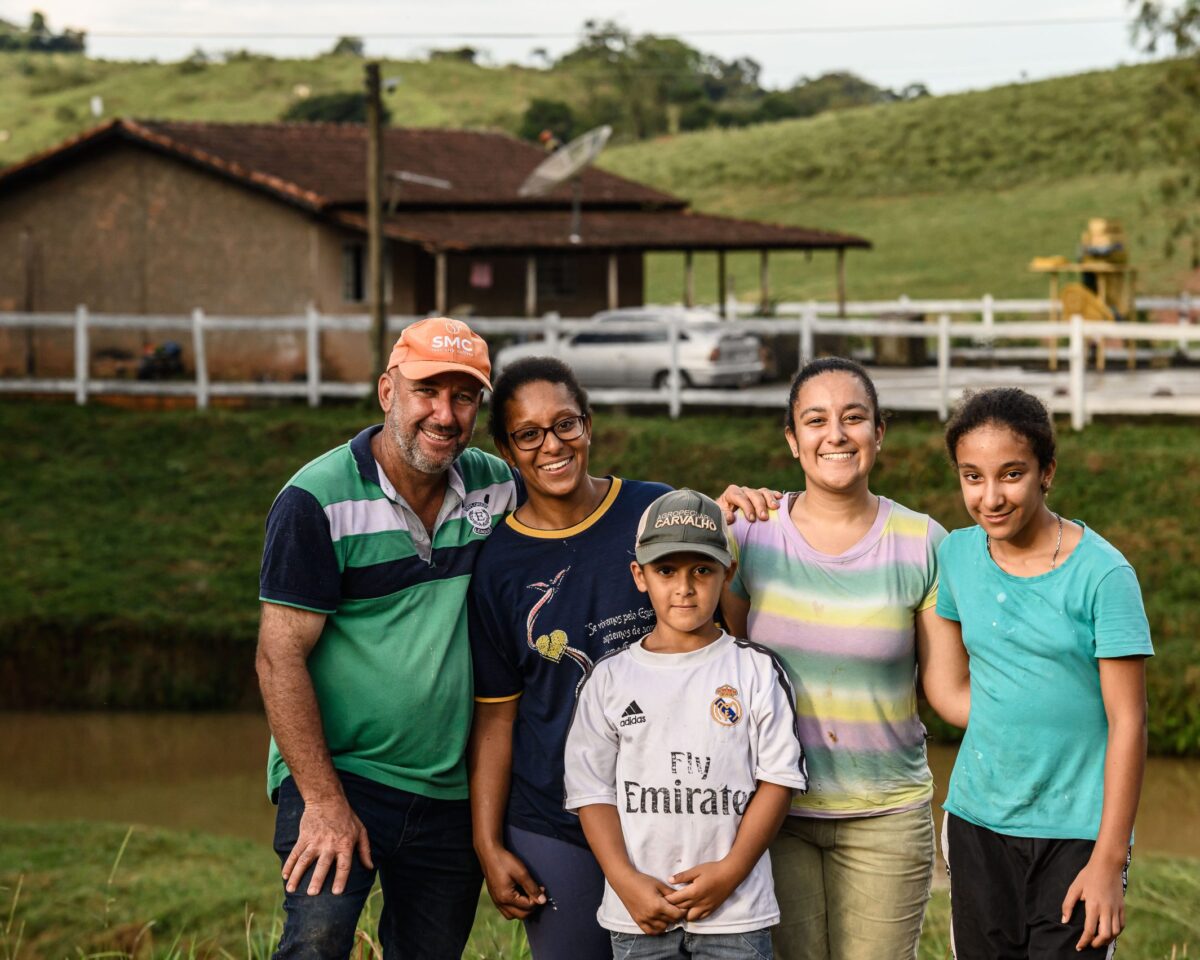
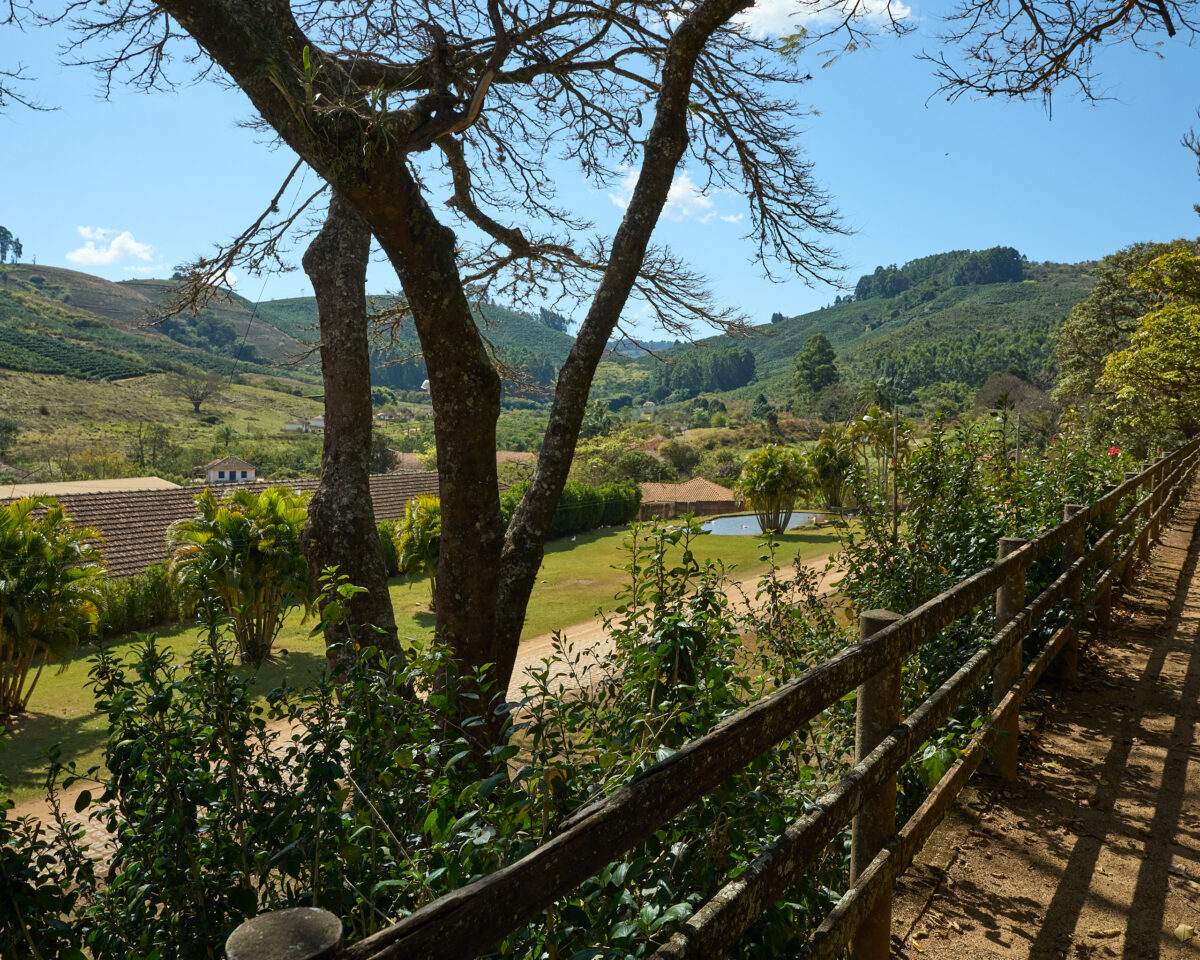
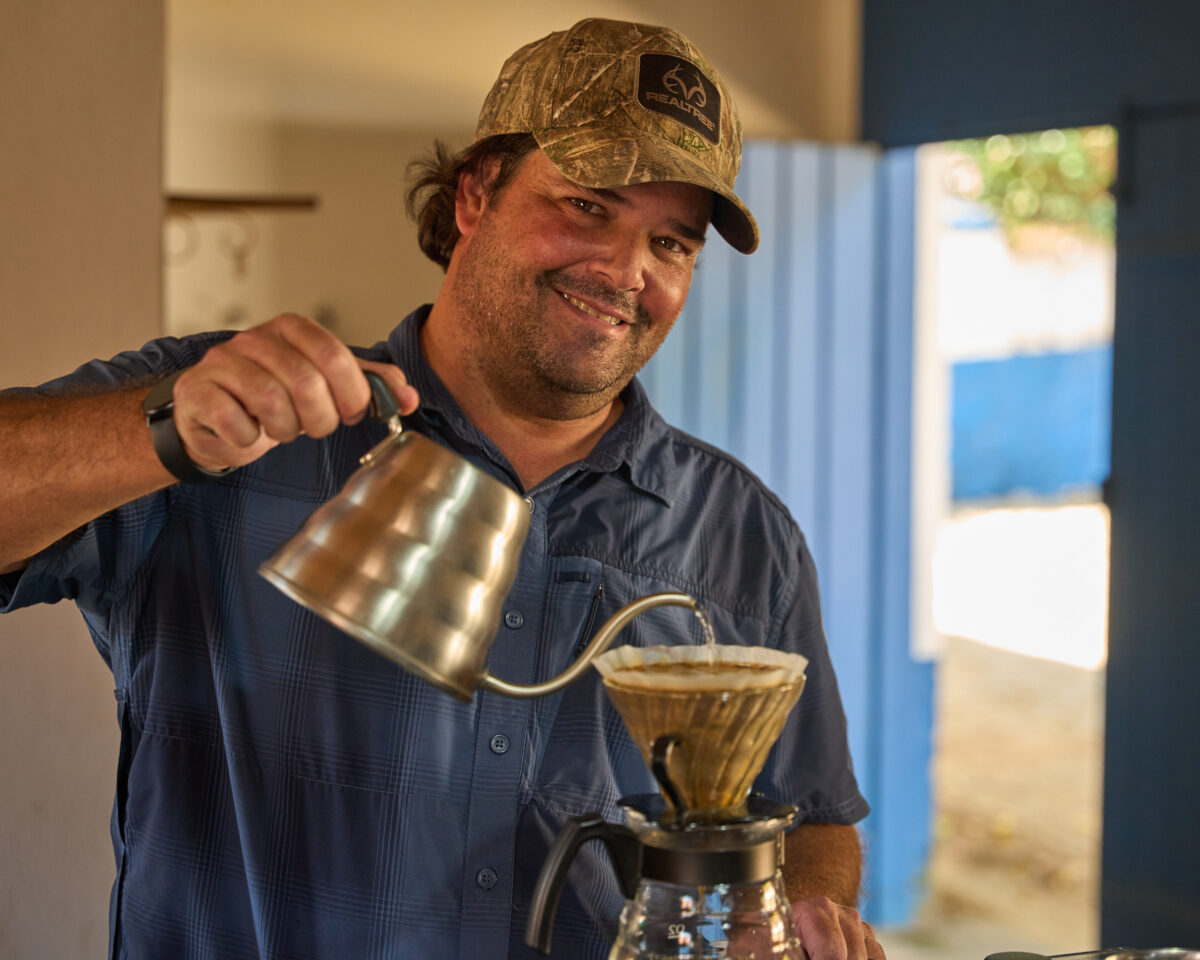
The Regiao Vulcanica combines the familiarity of Brazilian coffee with a more specific and expressive sense of origin. Its coffees can offer the sweetness and body associated with Brazil, while bringing bright acidity, yellow fruit and a distinctive regional character.
The region also has the scale to matter. Across the 12 municipalities, coffee supports 12,172 producers, 65,909 hectares of production and an annual output of approximately 1.59 million 60-kilogram bags. Coffee also contributes to 17,657 direct jobs and 882,287 indirect jobs.
For roasters, this creates an exciting opportunity to work with a coffee origin that is established in production, increasingly organized in representation and still relatively under-recognized internationally. Regiao Vulcanica is more than coffee grown in volcanic soil. It is a shared territory, a growing producer movement and an emerging origin identity built around the relationship between geology, agriculture and people.